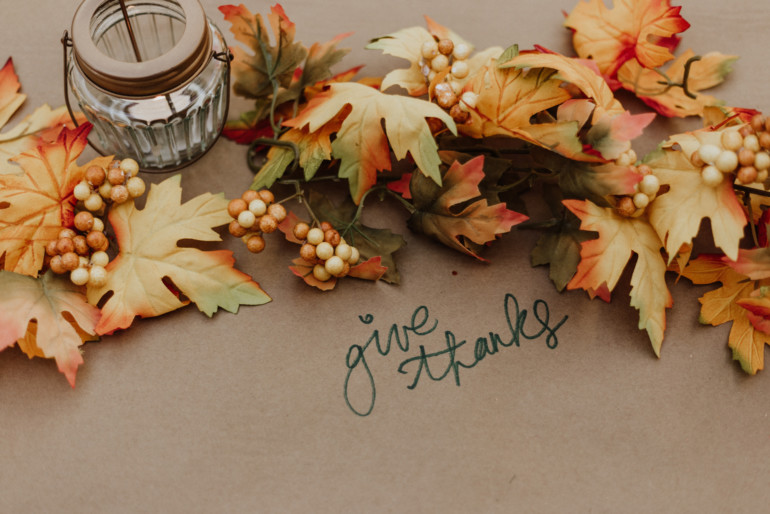
Thirty-two members of our extended family stood shoulder to shoulder in a crowded circle around our dining room, holding unlit candles. The flame passed clockwise, and each recipient offered an “I’m thankful for …” thought.
My 16-year-old daughter started, “I’m thankful to have all my cousins here, especially Lucy.” She passed her flame (and a big grin) to Lucy at her left, then swiftly kicked her brother on her right.
My nephew smirked at his mother, an anti-video gamer, as he proclaimed, “I’m thankful for my new X-Box 360!” My brother announced, “I’m thankful for fast women and fast cars.” I’m reminded why he hasn’t had a date in years.
I quickly tried to elevate the proceedings. “I’m thankful for so much family to love.” While I didn’t dare admit it out loud, what I was most thankful for was that I wasn’t the exhausted, emotional wreck that I’d been during Thanksgivings past. When I finally let go of my need to create and control the “perfect” celebration, everyone enjoyed the day more.
It took me a long time to learn that the harder I worked at creating the “perfect” celebration, the worse Thanksgiving was. I confess to being a slow learner, but I believe that our North Shore inclinations toward self-sufficient perfection contributed to my long-suffering perspective.
I served our first Thanksgiving here on mismatching tablecloths and china, sans a centerpiece (because I had forgotten to order one). Most of our guests came down with the stomach flu a few days later. I know it was the flu, but they still insist that it was actually food poisoning — despite the fact that it is impossible to catch salmonella from a turkey as overcooked and stringy as that one. After that debacle, I worked in earnest to improve my domestic goddess skills.
A few Thanksgivings later, overwrought from two marathon days of cooking, decorating, and yelling at my kids to stay out of my way, I settled my aching back and legs into a chair for the Thanksgiving dinner. We asked the new, single minister from our church to offer the prayer. Our daughter shrieked, “JESUS CHRIST!”— ostensibly because her brother had elbowed her. The quick-witted reverend tried to recover the spirit of the day with, “Thank you for starting the prayer,” but I disintegrated into tears and stormed from our holiday table.
I still cringe to recall the battles I had with the male members of my family over their playing with the lit candles on the table and their Thanksgiving attire (who knew that collars, belts, and shoes were akin to torture chambers?).
I’m embarrassed to admit how many years it took, but I finally realized that I was missing what was most perfect about Thanksgiving, the opportunity to just be with and celebrate the people you love. When that light bulb finally went off in my head, I immediately lowered my material-world standards and started sharing the work. Every member of my family and guest at our table now has to do at least one job: prepare a dish, set the table, make place cards, whatever.
The first year of that new Thanksgiving requirement, my children complained bitterly, and the food preparation was a little ragged. But soon, everyone started to take ownership of their job, and our Thanksgiving feast became far better than it had been under my sole auspices. For example, one son, who otherwise prides himself on avoiding all things domestic, learned to make homemade yeast rolls that are much tastier than the store-bought version I served. My oldest daughter (the same one who is totally embarrassed by me and anything that I value) now spends weeks planning and creating the most artistic and beautifully set table.
Fortunately, family members stagger their food-prep time in the kitchen. Therefore, I experience the joy of being with them, one-on-one, working as their sous chef. I’m no longer barking at them to get out of my way; I’m letting them take the lead. We enjoy a better relationship and tastier food because of it. I even get to join in the neighborhood football game now. (Although I should admit that no one actually wants me on their team.)
What insights can a slow learner like me offer to Make Thanksgiving Better? Two come immediately to mind.
First, because of our new work-sharing format, my oldest son, Nick, perfected the recipe for mashed potatoes. This cream- and butter-rich recipe won’t make your cholesterol count better, but as the ultimate comfort food, it will certainly make your taste buds and soul happier.
Second, when I sit down to our family feast, I still feel a twinge of something missing. I suspect that I would enjoy our Thanksgiving more if we did a better job of sharing it with needier others. Therefore, we’re working through Make It Better.net to provide all of us with opportunities to share our time, our food, or our wealth to make a better Thanksgiving for those less fortunate than us.
Happy Thanksgiving!
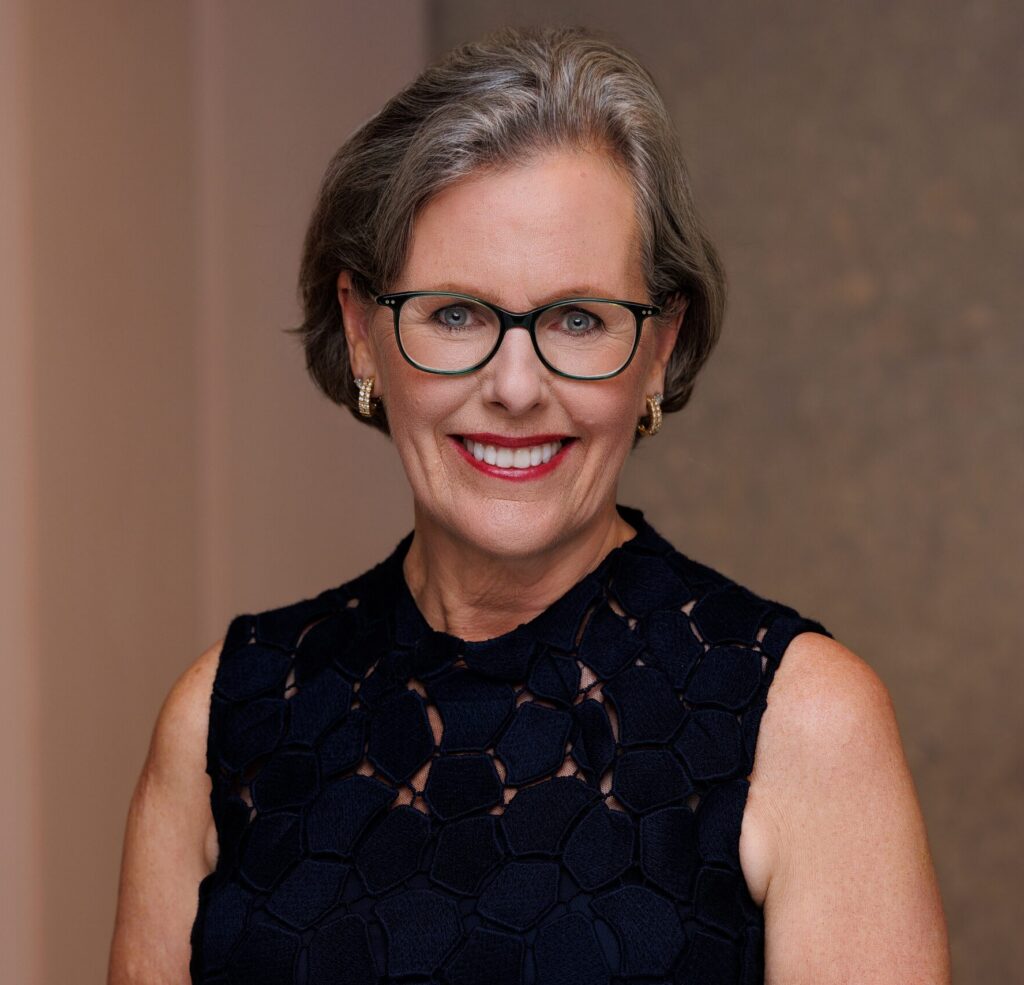
Susan B. Noyes, founder of the Make It Better Foundation, which publishes Better magazine, is a mom, writer, strategist, philanthropist, and civic activist. She has served on numerous boards, including the American Red Cross, Chicago Public Education Fund, Harvard Graduate School of Education, Joffrey Ballet, Poetry Foundation, Rush Neurobehavioral Center for Children, New Trier High School District, and her beloved Kenilworth Union Church. Her work is driven by her commitment to helping people live, love, work, play, and give with greater purpose and joy.