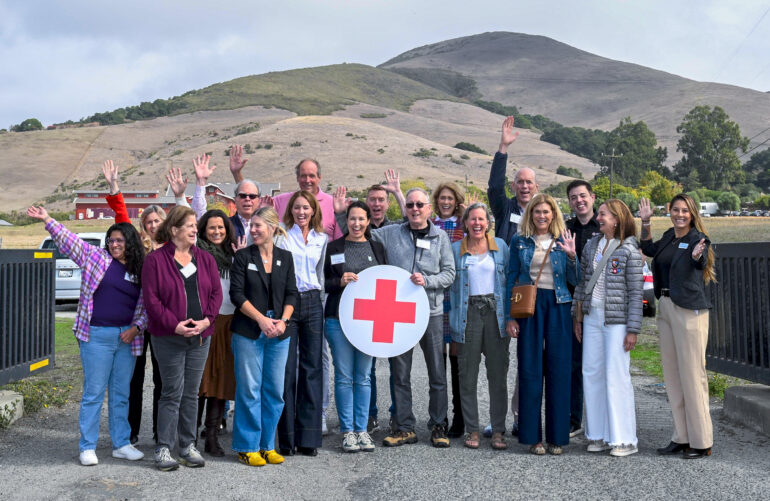
Trusted community connections and measurable social impact were on display during a recent American Red Cross Community Adaptation Program (CAP) tour in Monterey County, California, where seven- and eight-figure donations demonstrated how strategic philanthropic investment can strengthen communities long before disasters occur.
Enabled by donors who operate as angel investors — also described as venture philanthropists — CAP reflects a shift toward impact investing-informed philanthropy. CAP’s model starts with the Red Cross listening to communities at greatest risk from billion-dollar disasters, then collaborating closely with trusted hyper-local partners. Instead of bringing volunteers and supplies to those communities after disasters, the Red Cross provides funding, training, and relationship-building in advance..
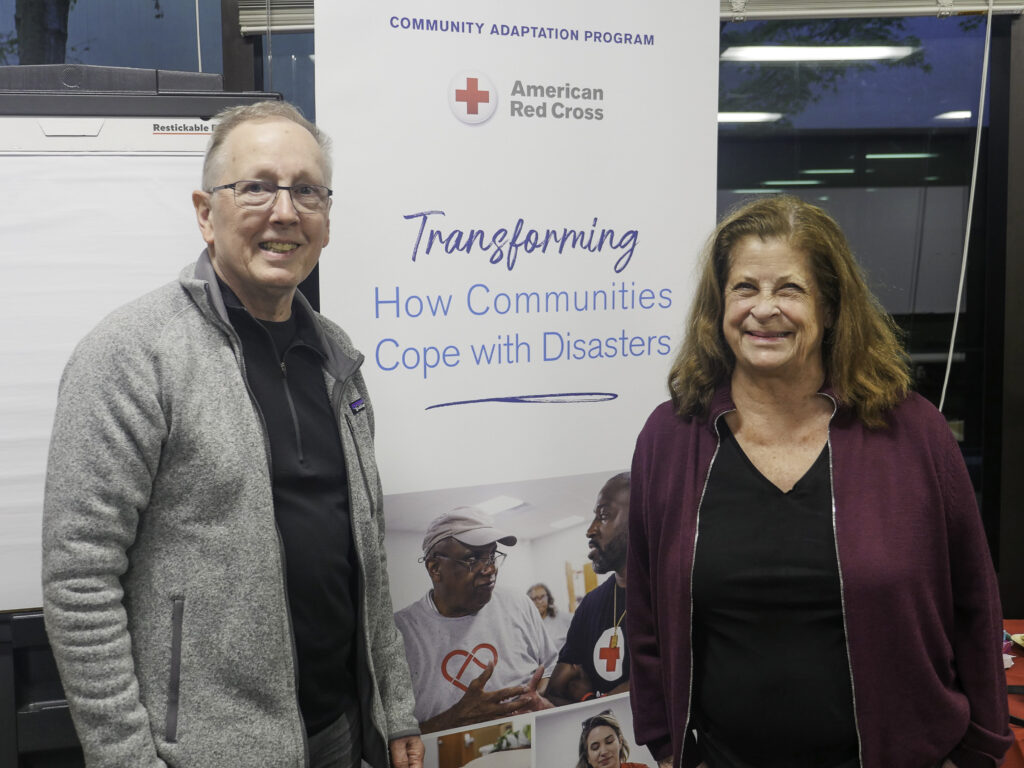
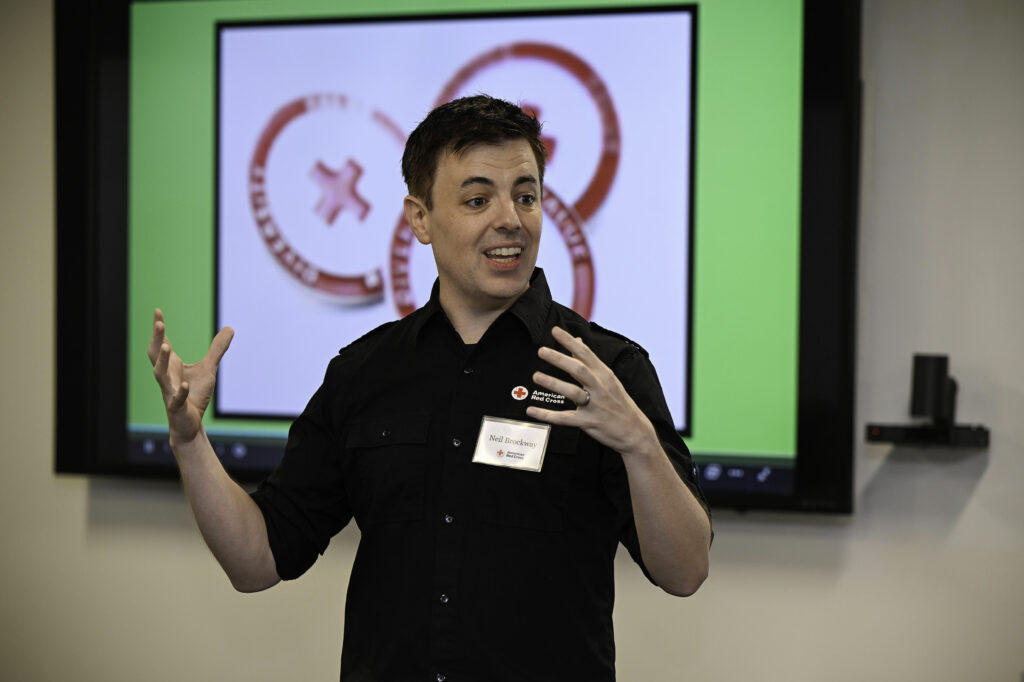
“We look for the helpers already established in communities, then ask if they’ll allow us to help them now (during Blue Sky times) so they can help us when disaster hits,” explains Neil Brockway, Senior Director of Community Disaster Risk Reduction. “We build relationships that lead to wrap-around services for families and communities, too.”
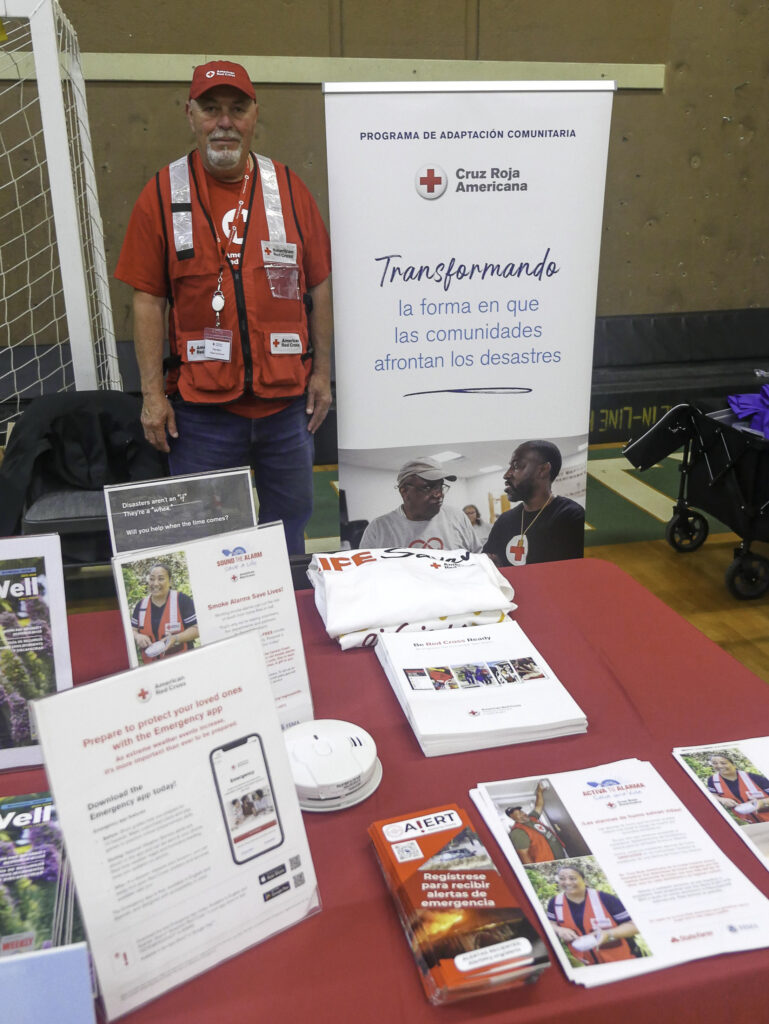
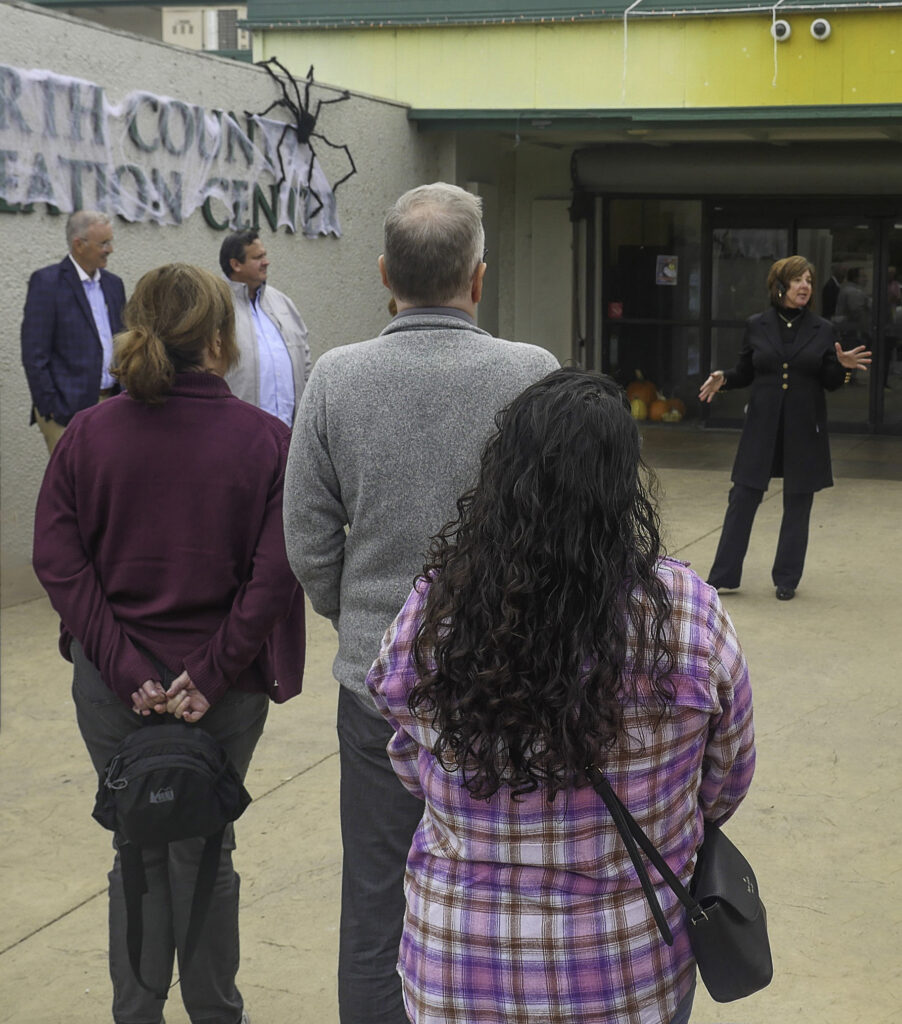
This approach creates short and long-term wins — a virtuous circle of support. Wins for local organizations, their communities, the Red Cross, and most importantly — wins for donors, because every CAP donation multiplies impact 13x compared to traditional disaster response.
The tour visited three CAP locations, each demonstrating the program’s local customization.

Meals on Wheels and Alliance on Aging
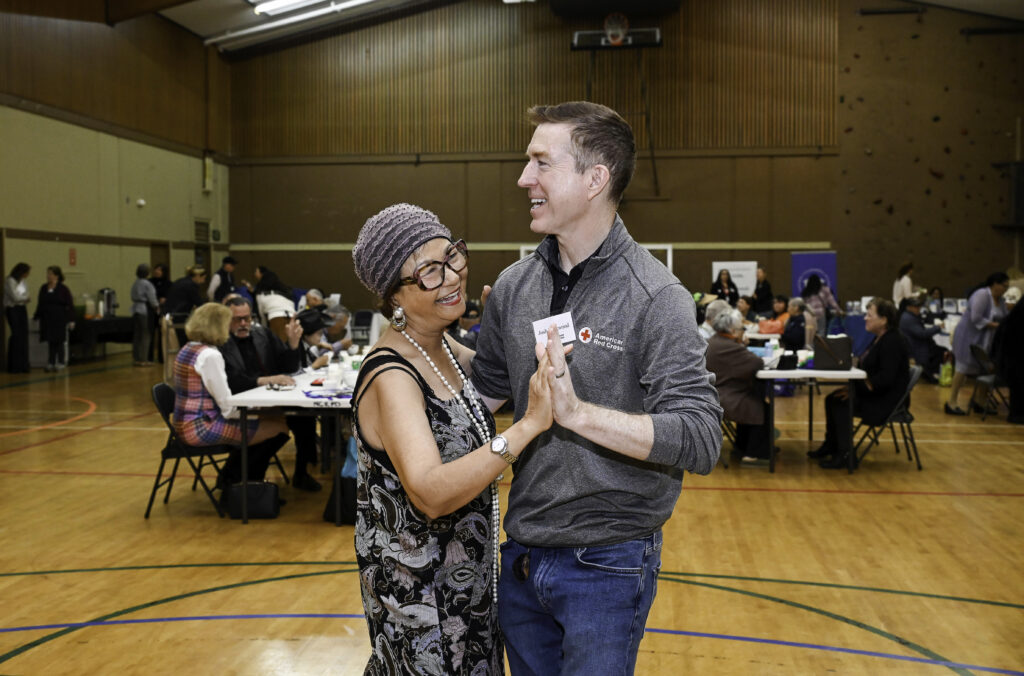
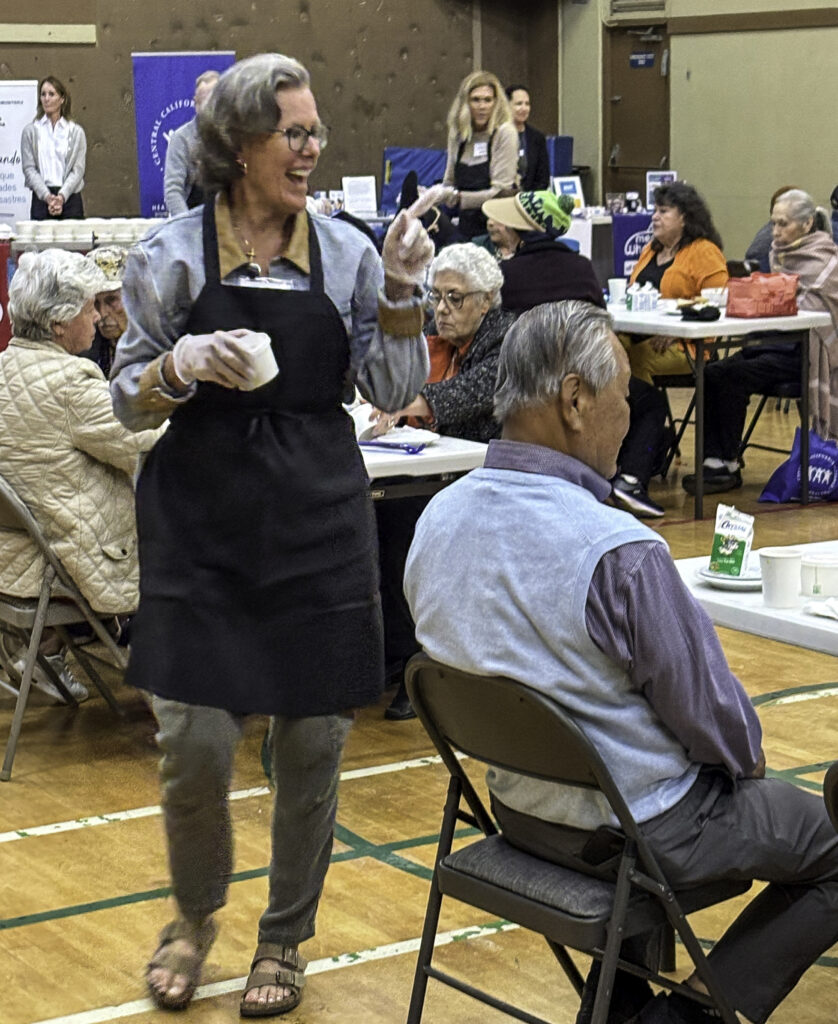
At Meals on Wheels of Salinas Valley and Alliance on Aging, guests saw Ford Foundation–donated vehicles — part of a $19M CAP gift — then enjoyed a joyful masquerade event with local food and music.
“You are the Angels walking amongst us, who nobody sees, making all of this possible,” Alliance on Aging Executive Director MJ Donohue told the group.
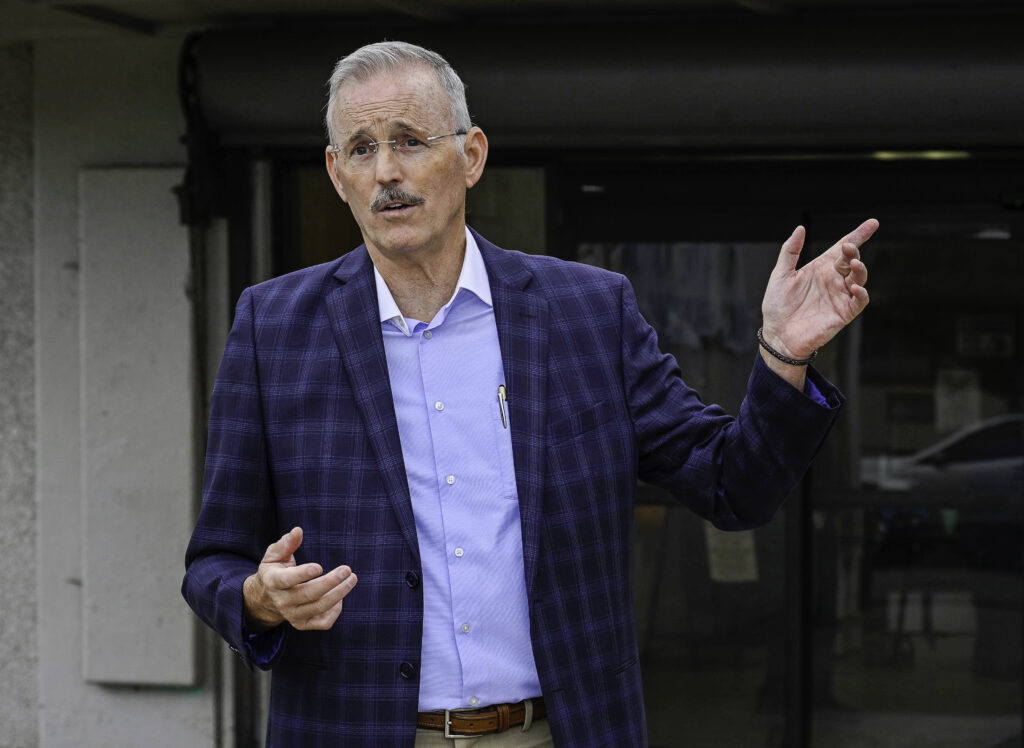
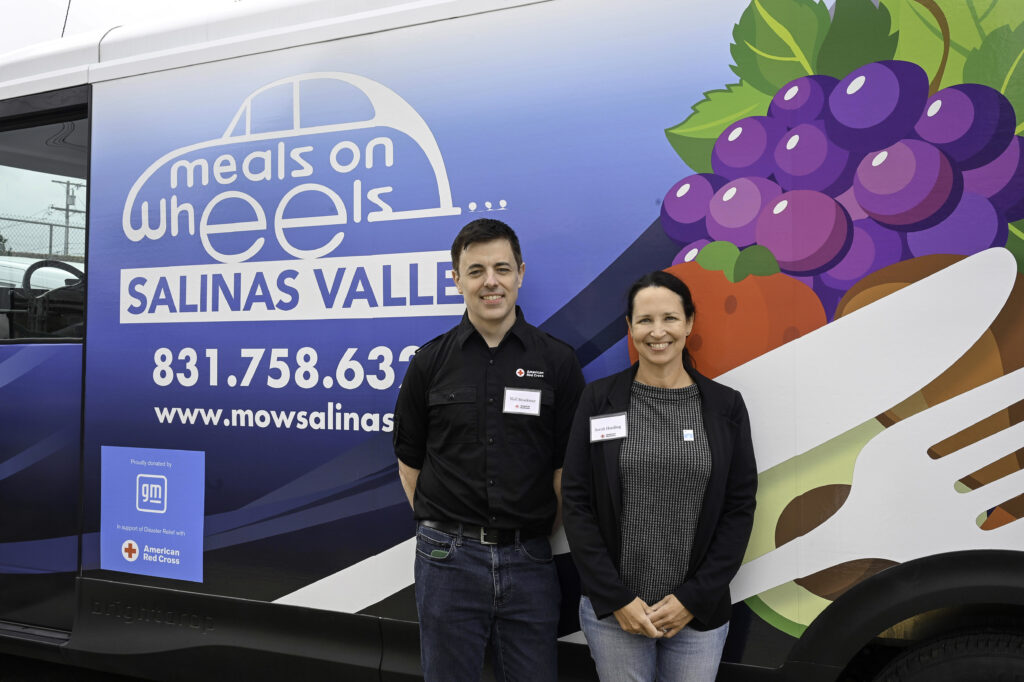
Rancho Cielo (Heaven’s Ranch)
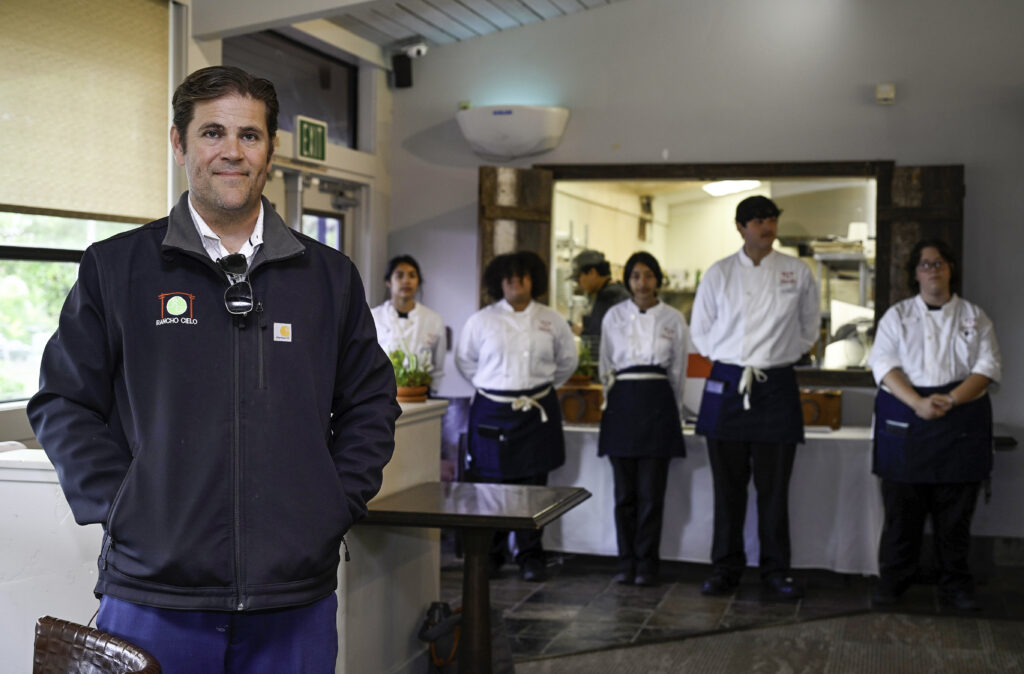
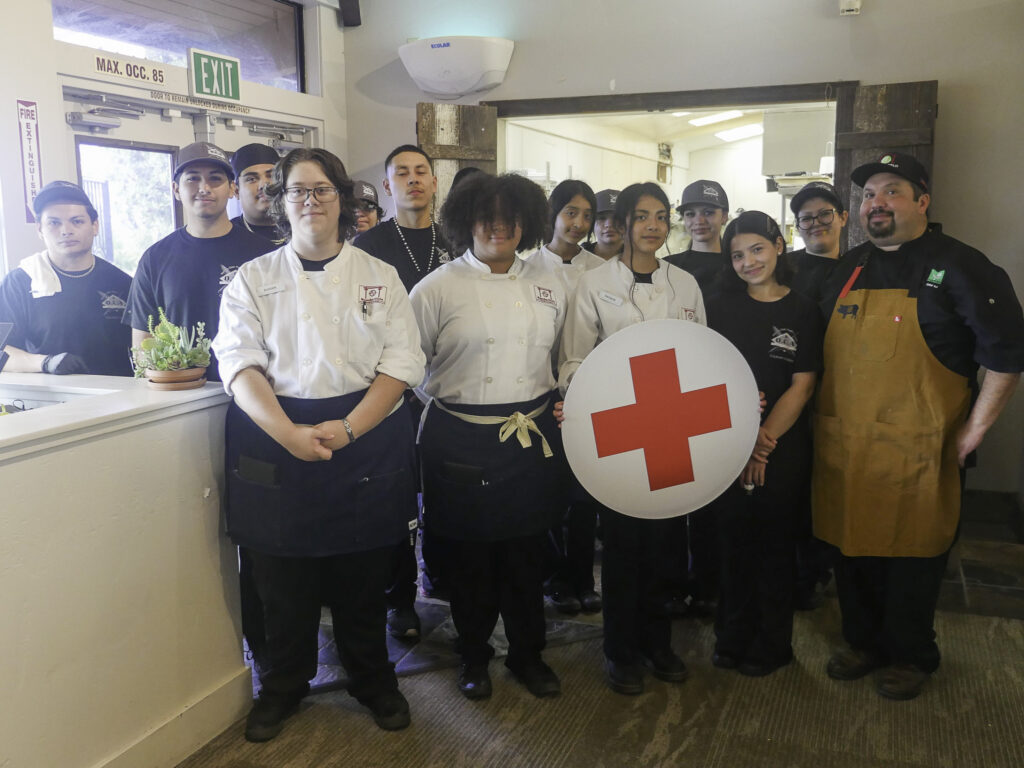
At Rancho Cielo (Heaven’s Ranch), a CAP Hub, youth train in trades like Auto Repair, Construction, and Culinary Arts. The Drummond Academy served guests a restaurant-quality lunch.
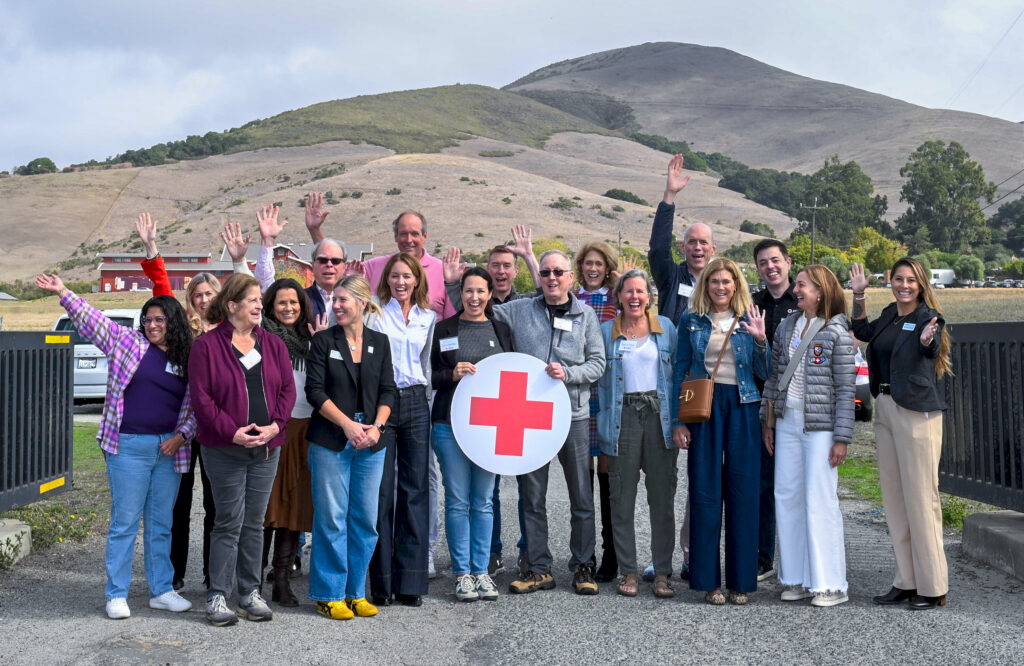
Back, from left to right: Carmel Jud, Ted Hathaway, Keith Kizziah, Josh Lockwood, Liza Malott Pohle, Deane Malott, Neil Brockway.
Photo by Deanne Fitzmaurice.

Pajaro Rescue Mission
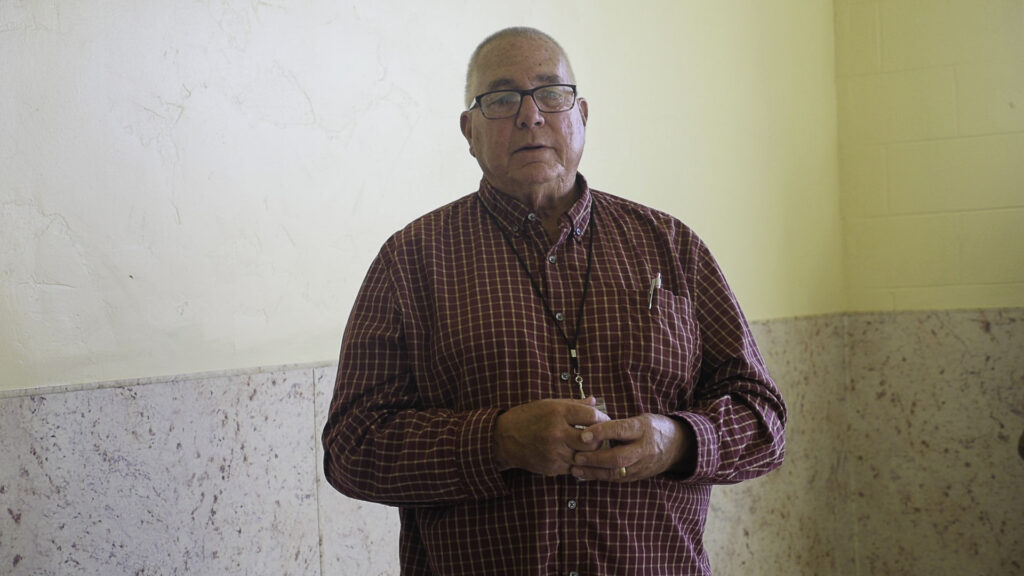
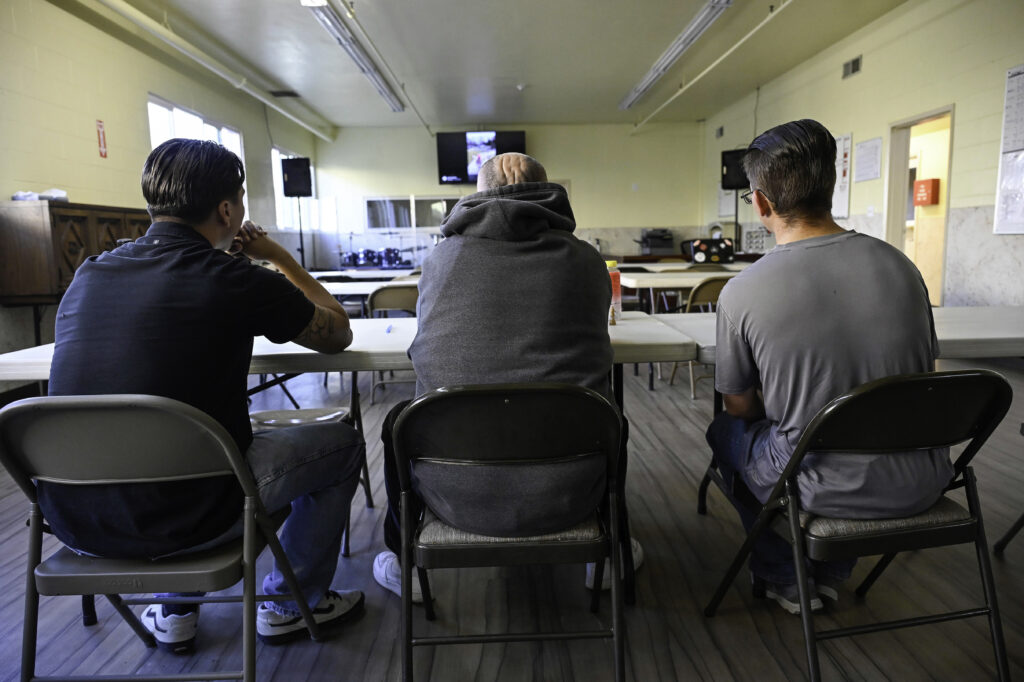
At the final stop, Pajaro Rescue Mission Executive Director Mike Bordon shared how they support people experiencing homelessness through disaster readiness, relief, and recovery, especially after the 2023 Pajaro flooding.
Throughout the day, “angel” references abounded. But CAP’s greatest angels are its community creators — the people who listen first, develop trust, and build strong local relationships. Their model should be replicated across the Red Cross and major philanthropic initiatives nationwide.
How to Help
The American Red Cross supports initiatives to prevent and alleviate human suffering in the face of emergencies. It provides 40 percent of the nation’s blood supply, responds to tens of thousands of annual disasters, supports military members and veterans, offers global humanitarian aid, and trains individuals worldwide in lifesaving skills like CPR and first aid.
The American Red Cross invites everyone to join their lifesaving mission, and there are several ways to get involved.
- Give a financial gift: Donate to help people affected by disasters, large and small.
- Volunteer: 90% of the Red Cross workforce is powered by volunteers.
- Donate Blood: Help ensure lifesaving blood is available when and where it’s needed.

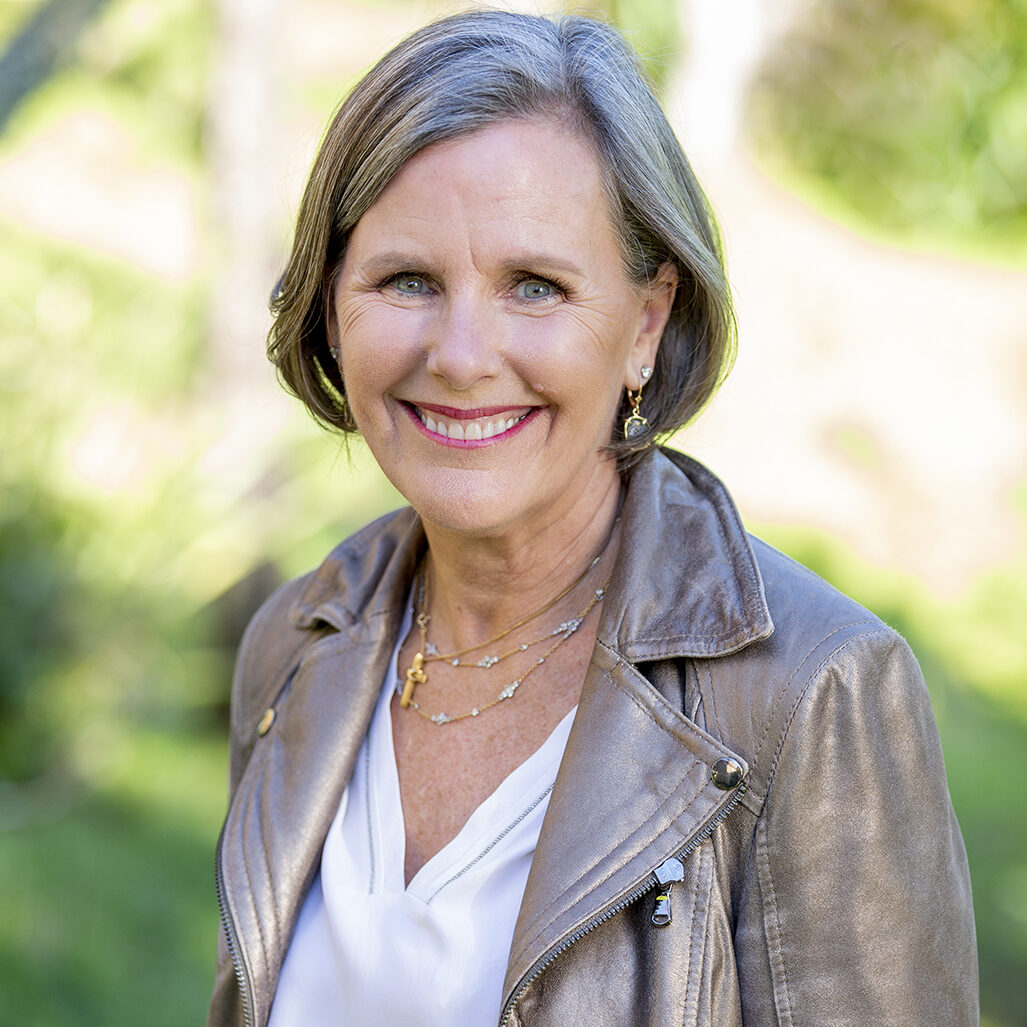
Susan B. Noyes is the founder of the Make It Better Foundation, which publishes Better Magazine, writer, philanthropist and civic activist who has founded or served on many boards — including the American Red Cross, Chicago Public Education Fund, Harvard Graduate School Of Education, Joffrey Ballet, Poetry Foundation, Rush Nerobehavioral Center for Children, New Trier High School District, and her beloved Kenilworth Union Church.