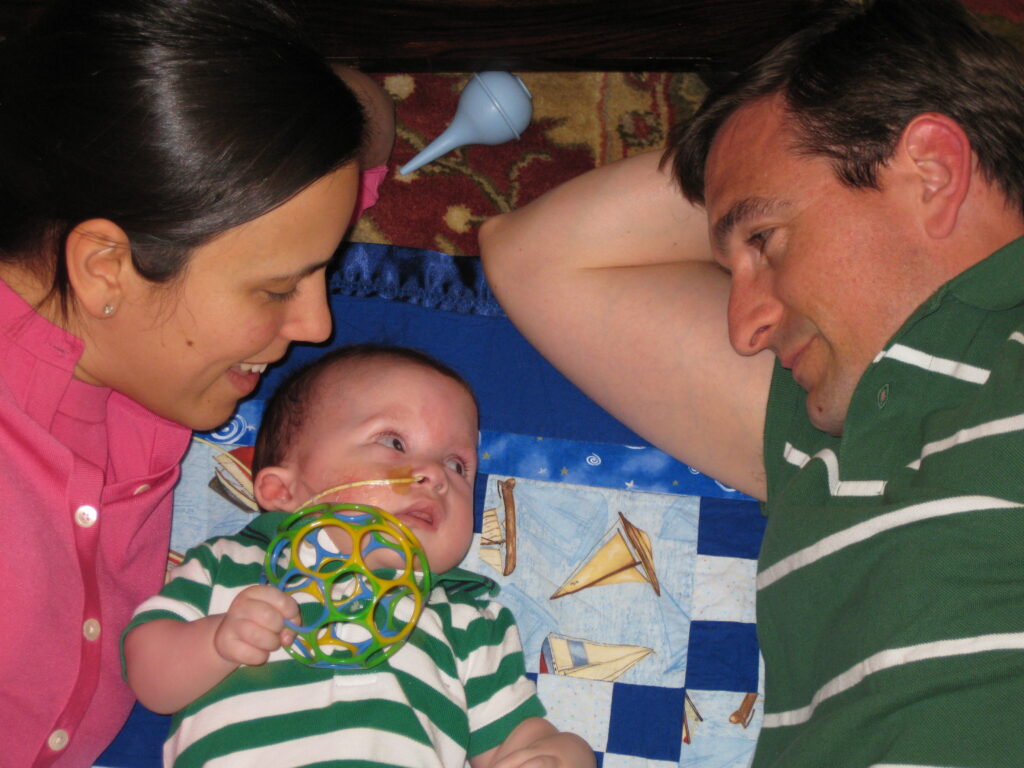
It’s been 14 years since George Eddy died as an infant. Reflecting on his son’s life still brings his father, Sean, to tears. “Our son George was born with a complex medical situation,” he recalls. “We were told he would be with us for maybe a matter of hours or days. Remarkably, he lived for almost a year.”
Sean and his wife, Alison, who live in the San Francisco Bay Area, learned of complications to Alison’s pregnancy in her fourth month, but only discovered George’s more concerning diagnosis once he was born. Immediately after his birth, George was transferred to the Neonatal Intensive Care Unit (NICU) at UCSF Benioff Children’s Hospital in Oakland, California. Two weeks later, one of his doctors recommended moving him to a pediatric palliative care facility that specializes in providing comfort and support to children and their families facing serious or life-limiting illnesses.
“I was a bit panicked,” says Sean. “The thought of leaving the NICU was super stressful. Up until now, we’d had doctors and nurses caring for him 24/7, but the doctors told us we’d get help with George’s transitional care.”
A Shortage of Options for Medically Fragile Children in the U.S.
An estimated 3 million children in the U.S. are considered medically fragile with complex medical conditions, yet there are only seven specialized pediatric palliative care facilities in the country. Many of the 285 children’s hospitals in the U.S., however, do provide palliative care services.
After six weeks in the NICU, Sean and Alison took George to George Mark Children’s House (GMCH) in San Leandro. “We spent two weeks at George Mark in transitional care, where they taught us how to change his feeding tube, how to administer his medicines, and how to interact with him in a way that would be meaningful to him in his life, which was really a true blessing.”
Inside America’s First Pediatric Palliative Care Home
George Mark Children’s House, a Make It Better Foundation 2026 Philanthropy Award winner, is the first pediatric palliative care facility to open in the U.S., and 1250 patients have received respite and end-of-life care there since its founding in 2004.
“Facing a child’s death is the worst thing imaginable. There’s no way to take that pain away,” says GMCH Child Life Coordinator Kyle Amsler. “We try to walk alongside families as best we can and make each day the best possible, however that looks for each family.”
Providing Patients and Their Families With More than Just Medical Care
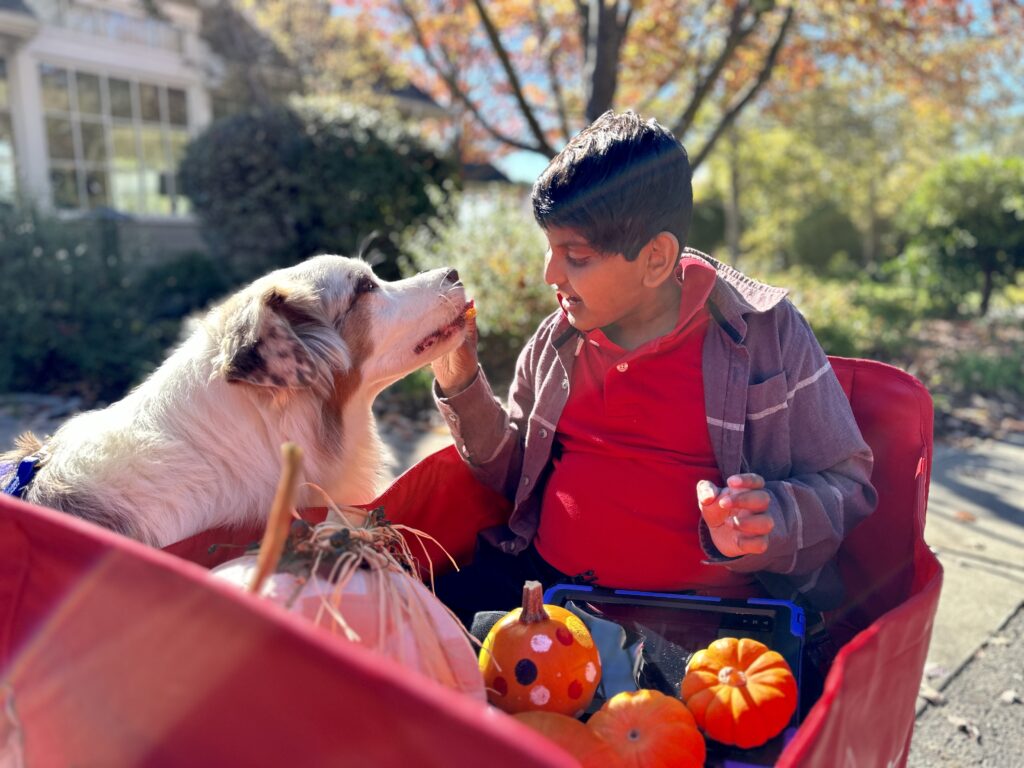
In addition to 24-hour nursing care, palliative care facilities offer social and emotional services. “At George Mark, the whole family can live here and be together while receiving psychosocial support and medical care,” Amsler explains, “It doesn’t feel like a hospital. The family has their own little apartment, their own personal space, with the support of staff right down the hall.”
Creating Meaningful Moments for Medically Fragile Children
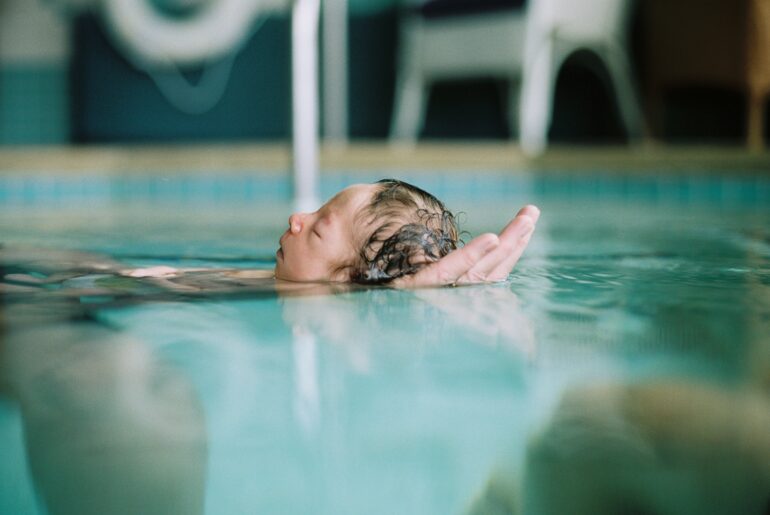
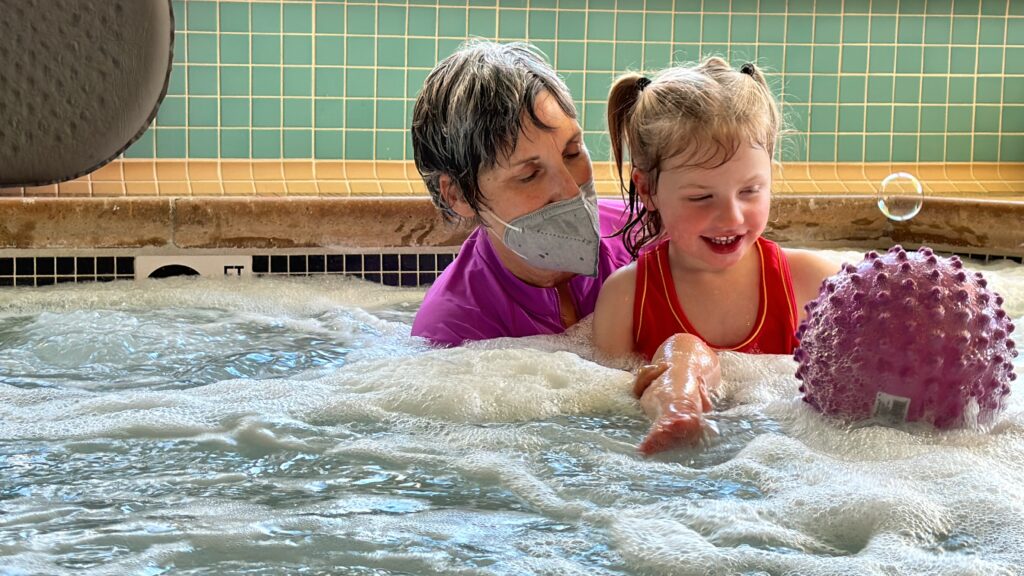
Alison returned to GMCH with George frequently during his short life; “My wife took George to George Mark on a fairly regular basis,” Sean remembers. “They spent time in the Aquatic Center, where George could feel the warmth of the water. He loved it.
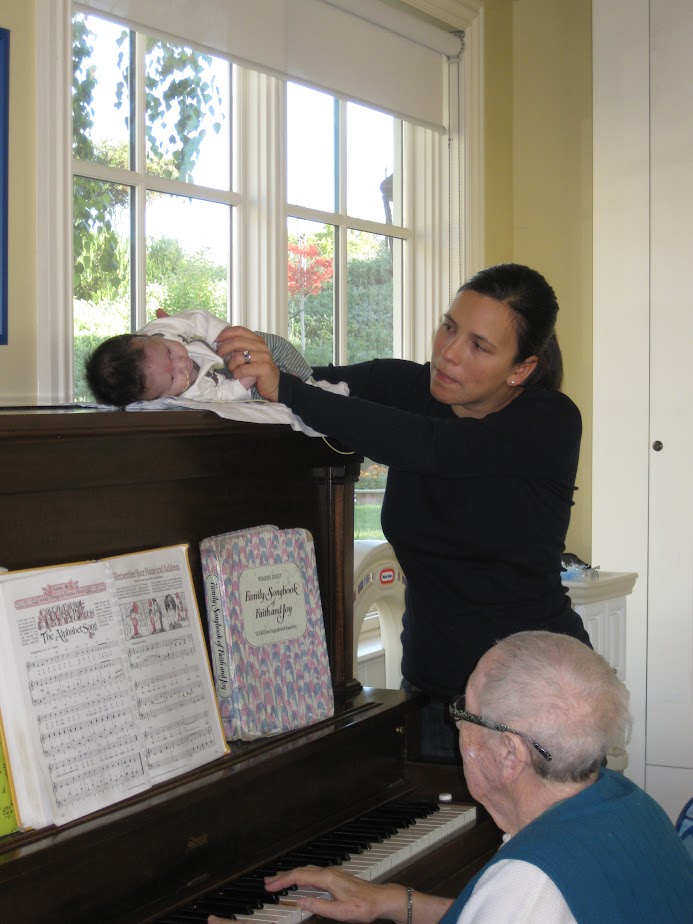
“Sensory experiences were huge for him because he didn’t have many of the other senses like we have. My wife would put George on top of the piano at George Mark while Ellen, one of the volunteers, played, and he could feel the vibrations. That was very special.”
Supporting Siblings and Helping Them Grieve
A child’s medical diagnosis impacts the entire family. Palliative pediatric care includes addressing the needs of siblings as well. Palliative Care Specialist, Dr. Nimisha Bajaj, Associate Director, Hospice and Palliative Medicine Fellowship at Nationwide Children’s Hospital in Columbus, Ohio., says, “One of our jobs is to understand what the family structure is, to understand who the siblings are, and how they interact with the child who’s sick. We have siblings who are completely enmeshed with our psychosocial support teams, coming for art therapy or music therapy. We also provide them with resources like books and games.”
Amsler runs workshops for siblings aged 7 and up called Sib Shops.
“I have so many. Interesting conversations with patients and their siblings,” Amsler says. “Kids can comprehend a lot; they pick up on everything. Even the younger kids are processing what’s happening through play.”
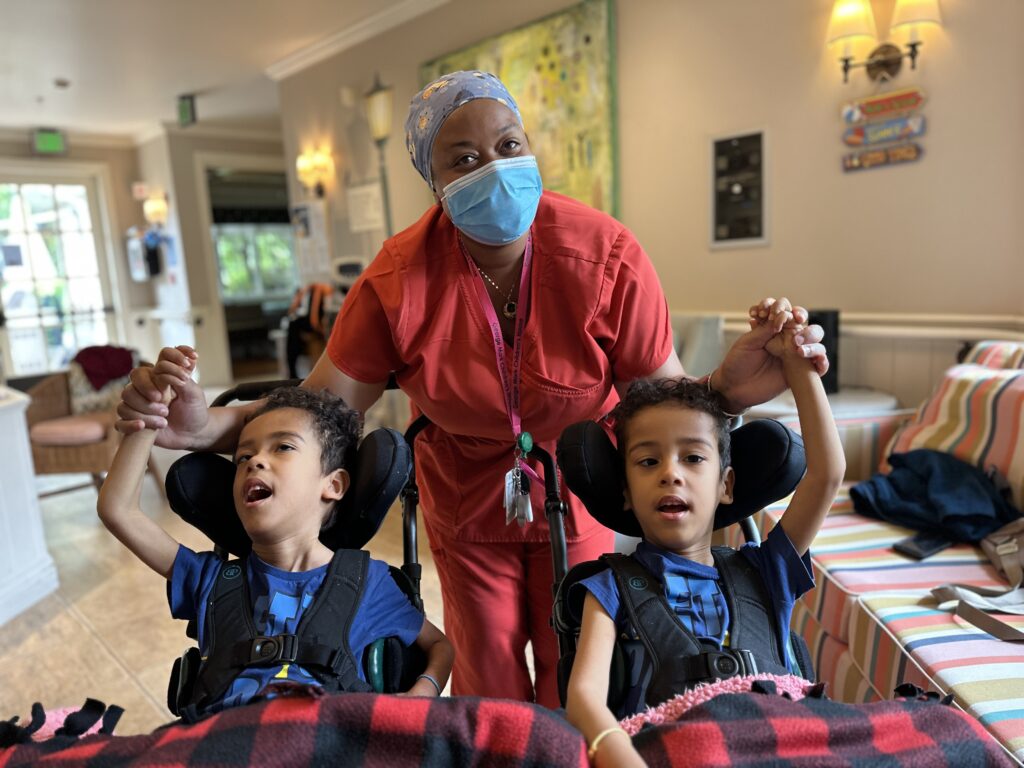
Siblings attend workshops at George Mark after their sibling has died, too.
“They visit the site again where they lived with their brother or sister during their last days or weeks or months,” Amsler says. “Sometimes it’s just being in the art room or being in the playroom.”
Amsler will even visit a sibling’s school and talk to teachers before the child returns.
“So many teachers aren’t trained in this kind of situation. A sibling will go back to school, and nobody acknowledges the loss, and then they feel invisible. So, I help train teachers to acknowledge the loss and check in with the child. That’s been really helpful.”
After a Child’s Death, Many Parents Feel Alone
Mariah Stevens, a certified Child Life Specialist at Boston Children’s Hospital in Boston, Massachusetts, says many families feel isolated after the death of a child.
“Losing a child is the worst possible thing anyone can go through, and so many people don’t know how to deal with that.” Stevens says. “Families tell me, ‘No one talks about my child. People don’t want to say their name, or they look at me with pity or feel uncomfortable if I bring them up, because they don’t know what to say.’
“I think as a society we have such a hard time talking to other people about grief and death, especially the loss of a child. All you can do is just be present. You don’t have to say something positive. You don’t have to say the right thing. Just listening is the most impactful and powerful thing you can do for a grieving parent.”
From Personal Loss to National Leadership in Pediatric Palliative Care
Peter and Shekinah Eliassen’s son, Lars, died at George Mark Children’s House three short weeks after his birth.
“Once we realized our son was going to die, George Mark felt like the place we needed to be,” says Shekinah, who is now GMCH’s Chief Executive Officer. “We felt seen, heard, and supported here. We had nine days when we could look at him, hold him, and truly see him.”
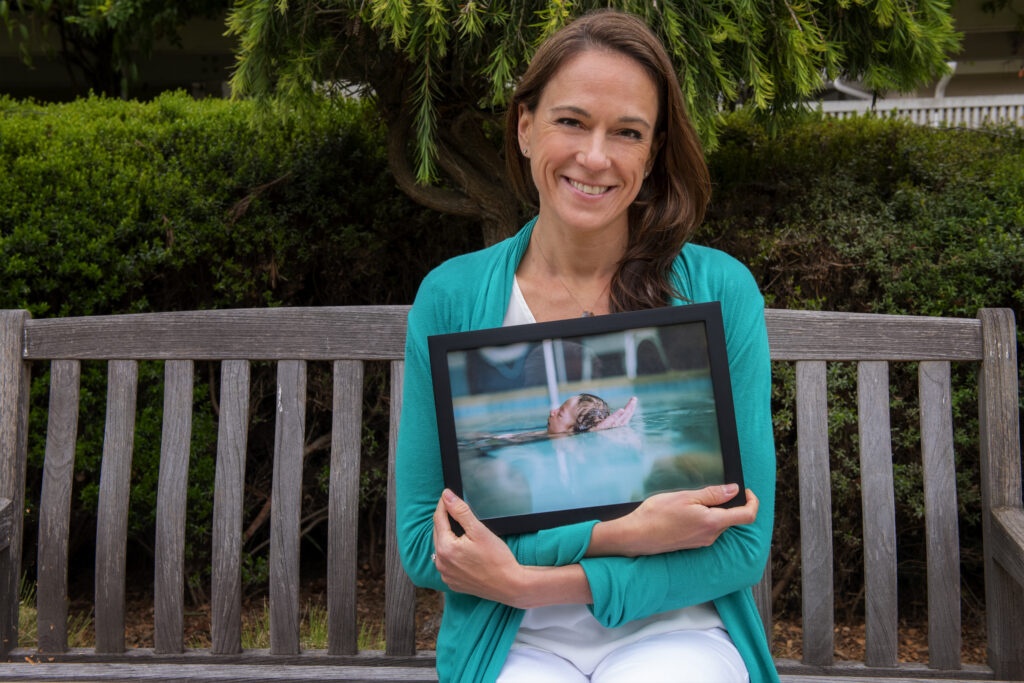
The impact of losing Lars is lifelong.
“We live differently because of Lars,” Shekinah explains. “When you’re that close to dying — Lars died in the bed next to us — you become a different human; you become more human. We relish every day not knowing what tomorrow’s going to bring.”
This post-traumatic growth propelled Shekinah to accept the position as GMCH’s CEO in 2022.
“There’s something powerful about post-traumatic growth,” she says. “Once you go through some really incredible trauma, there is a huge amount of growth that can happen. Often, when that growth happens, you use the trauma and turn it into medicine for others. It’s been a motivating goal in helping other families get the same care that we had. We’re living Lars’s legacy.”
The High Cost of Compassionate End-of-Life Care
Respite and end-of-life care are extraordinarily expensive. The cost of care at GMCH is $3000 per day, but families never receive a bill from George Mark Children’s House. Only 30 percent of GMCH’s budget is covered by reimbursement from the California Regional Centers, funded by state and federal health care funds. Financial support from generous donors is the primary source of funding.
The National Center for Pediatric Palliative Care Homes and Children’s Respite Homes of America are working to scale, strengthen, and sustain these models of care across the country through advocacy for legislation and licensing. There are now 42 programs in 28 states pursuing the vision.
How to Help
George Mark Children’s House, a Make It Better Foundation 2026 Philanthropy Award winner, provides care and comfort to children with serious medical conditions. Donations to the GMCH help offer life-affirming and transformative care to children and their families.

Susan Yem is an internationally published writer who likes telling other people’s stories. She enjoys writing about parenting, education, and how individuals achieve greatness in their chosen endeavors.