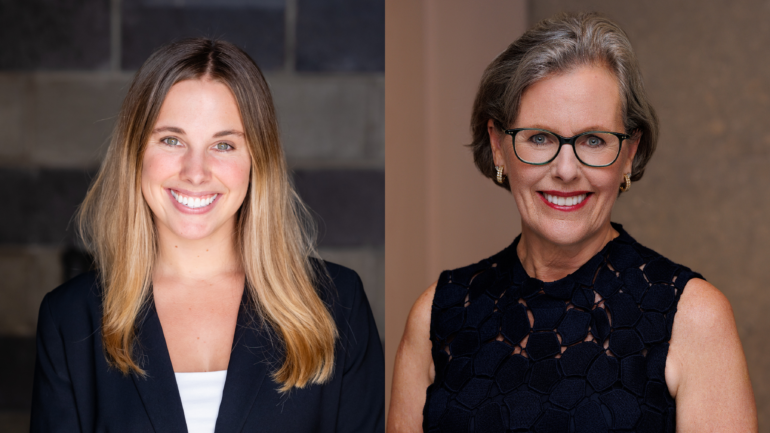
By the time my daughter Emma was 7, I could see that her “picture-perfect life,” complete with strong grades, extracurricular activities, and an active social world, also made her a prime candidate for the mental health challenges facing an alarming number of “Perfect Girl” teens in affluent communities like ours.
My six children grew up in Wilmette, a safe, picturesque suburb north of Chicago on Lake Michigan. My two stepchildren attended nearby Northwestern University as well. Love, opportunity, and access to excellent resources surrounded our family and community. The baby of this happy brood, Emma — bright, blond, entertaining, athletic, and adored by all — experienced an idyllic childhood. Almost.
As a hyper-vigilant mother, highly engaged civic volunteer, education and child development philanthropist, and longtime consumer of therapy for myriad personal and family challenges, I knew that anxiety, OCD, eating disorders, and depression had become increasingly common among high-achieving young people, especially girls who appear to be thriving from the outside. I also thought I understood the trends, warning signs, and available resources well.
Nonetheless, despite those early instincts and concerns about Emma, I completely missed the onset of anxiety and obsessive-compulsive disorder in her early teens, struggles that eventually led to eating disorders, migraines, and an alphabet soup of other issues too.
Mea culpa.
I’ll forever wonder if my own overachieving, multitasking tendencies (inherited from my mother, of course) caused me to miss important warning signs and unintentionally aggravate Emma’s challenges. At the time, I was busy building Make It Better and growing strategic support for innovative programs serving less fortunate populations, partly as a way to pay forward the blessings of our family’s abundant resources and access to excellent care when we faced challenges of our own.
However, I proudly own encouraging Emma, now 30, to leave a stable corporate job six years ago and pursue novel writing full time, a decision that also accelerated her recovery and helped transform her into a bestselling author and beloved Bookstagram and Substack voice.
I am similarly proud that Make It Better Foundation has built an expanding, engaged community of mental health experts, researchers, storytellers, philanthropists, and advocates through our Philanthropy Awards process, including The Family Institute at Northwestern University, a 2026 Philanthropy Award Winner. Better Magazine also provides thoughtful journalism, practical guidance, and connections to experts and organizations working to improve lives and communities.
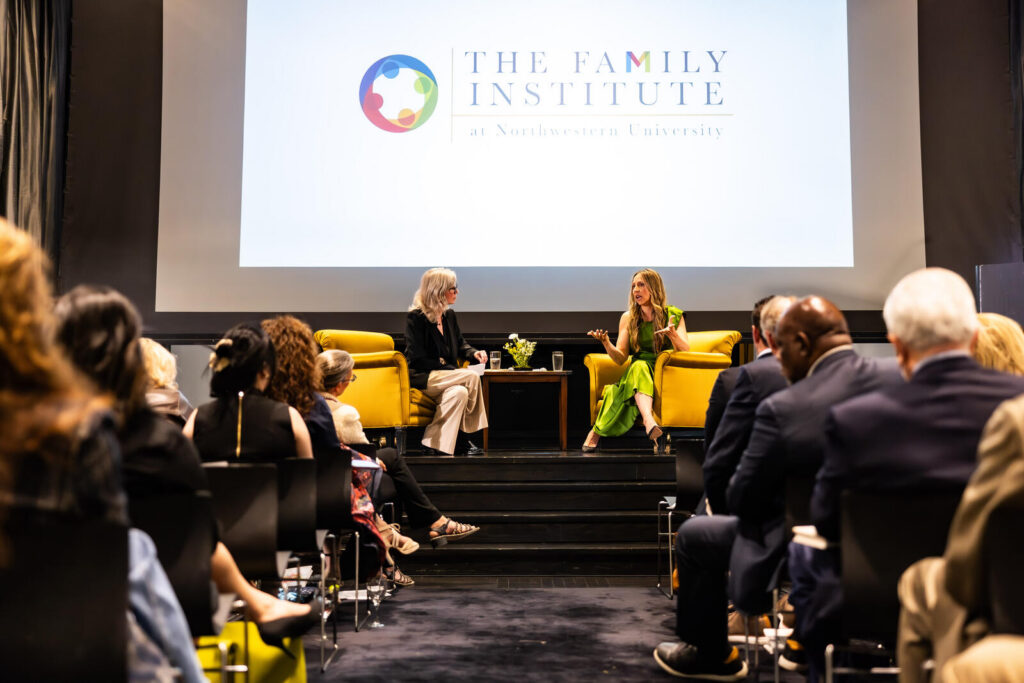
Fifteen years into Emma’s mental health journey, and even longer into my Make It Better calling, this feels like an opportune time to share valuable free advice and to ask for your help too.
The following exchange includes excerpts from Emma’s Substack essay, in which she shares a simple but powerful formula for dealing with anxiety, alongside my responses as her mother — shaped not only by 15 years of loving, worrying about, and learning alongside her, but also by conversations with therapists, researchers, and mental health advocates through Make It Better collaborations, including recent work with The Family Institute at Northwestern University and bestselling author and family therapist Vienna Pharaon.
I hope these insights encourage you to share this advice and join our expanding community working to make mental health resources more accessible and honest conversations about anxiety and emotional wellness easier for everyone. If this mission resonates with you, we also invite you to share, subscribe for free to our Better Letter, email newsletter, or donate in support of that work.
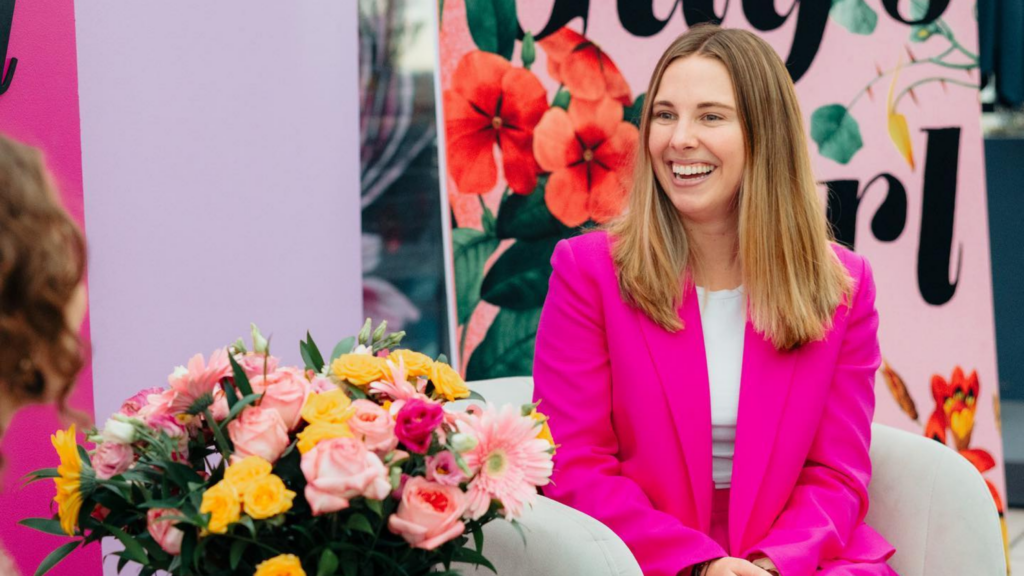
EMMA on SUBSTACK: Yesterday, I was talking to my therapist about anxiety. This is nothing new; I’ve been talking to therapists about anxiety since I was fifteen… I’ve had five therapists across five different specialties. I have been treated for OCD, GAD (Generalized Anxiety Disorder), PTSD, anorexia, bulimia and ADHD (the last of which I did not ultimately have – turns out I’m messy and disorganized and bad at being alive, but not clinically so)…
SBN: Bad at life??? Oh no, you aren’t — not one bit. That’s your Critical Inner Anxiety Voice talking. My Jungian therapists label my version of this a “Critical Animus.”
You are Bad Ass Great at life!!! Just like the heroines of your novels.
Messy and disorganized – at least on the micro level? You come by this honestly, from me, too. Why do offspring inherit our worst traits? Selective Evolution shoulda, woulda, coulda produce better results!
EMMA: All of this is to say: I am well and truly therapized… A Blue Cross, Blue Shield deductible absolutely hates to see me coming…
I am especially therapized in one particular field. It is the emotion that runs beneath all of my diagnoses… It is the great plague of my generation.
Anxiety.
Which is why it was such a shock when, yesterday, fifteen years into my therapeutic journey, I heard something that it feels like I should have been told on day one…
Here’s what happened:
My therapist (let’s call her Helen) and I were talking about motherhood. It’s a subject that I’ve never touched on in therapy before — not out of avoidance, but because it has always felt so far down the road for me. I am not pregnant, nor am I planning to be for quite some time. (Sorry Mom.)…
SBN: Not to worry. We make our plans and God laughs!
I never intended to have a large family — or to get pregnant the first five times. Call me a slow learner. However, you were definitely meant to be in this world.
I’m grateful that our work with myriad therapists (including The Family Institute), doctors, social workers, ministers and others helped you see that family life can be viewed as “happy chaos” too.
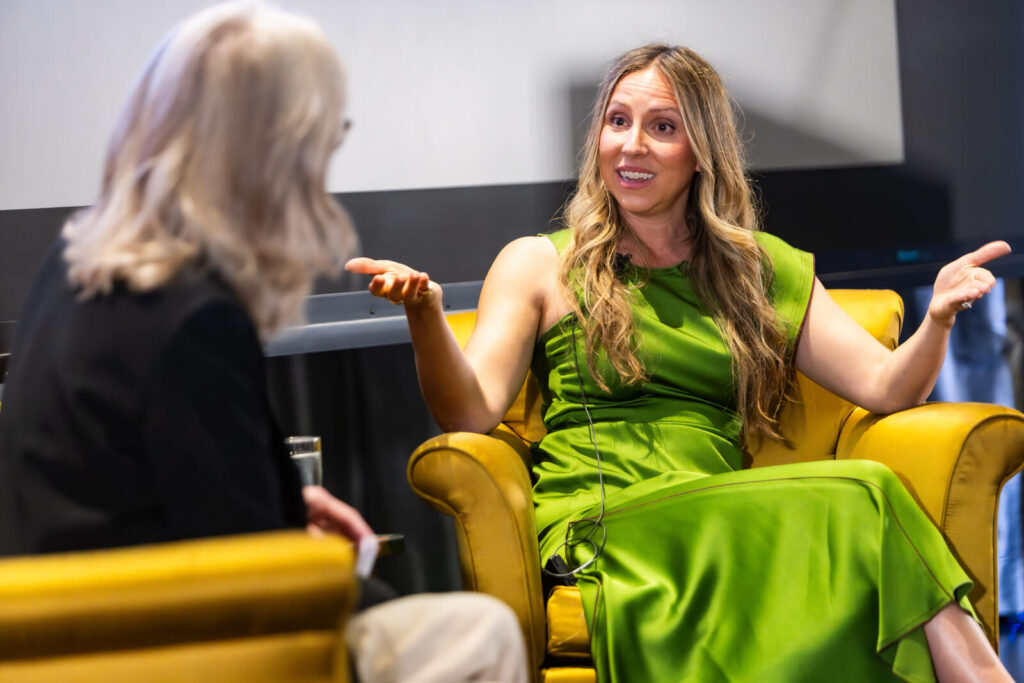
EMMA: But for some reason, yesterday, I felt compelled to bring [motherhood] up. Perhaps it’s because my husband Pontus and I have been married for almost two years. Maybe it’s because my Instagram has been filled up with maternity post after maternity post from girls I went to high school with… Whatever the case, it came up in our conversation — but not for me to say how excited I was … but to talk about my Worries.
SBN: Can we please redirect your algorithm? I recommend Vienna Pharaon as more empowering than a parade of “Show & Tell Maternity” posts.
Had Vienna’s book, The Origins Of You been available back in the day, I would have been a wiser wife and mother at a much younger age too.
By the way, you and Vienna both live and work in New York City. You could meet up for coffee! But, I know, I know — 30 and married means your mother should never be organizing your social life.
EMMA: “What scares you about Motherhood?” Helen asks.
“Everything,” I said. “Literally, everything.”
“But what specifically? Can you give me some examples?”
Even though I’d never considered talking about motherhood with Helen until thirty seconds before that moment, the list of fears came to me easily, instinctively, like she’d asked me for my phone number. Like they’d been here all along, just waiting to be said aloud.
“Well, first of all,” I said, holding up a finger, “I am terrified of my body changing. Like, terrified. I have done so much work in eating disorder recovery to reach a point where I’m no longer at war with my body. Where we exist in peace, if not as friends, then at least as neutral acquaintances who don’t think about each other very often. And I’ve done it. I have. But it took years of work to reach this point. I’m terrified of what a substantial change might do to that tenuous peace.
“Second,” I went on, holding up another finger. “What the hell is going to happen to my brain when it’s flooded with pregnancy hormones? The one time I took hormonal birth control pills, back in high school, I went absolutely nuts. My OCD went into overdrive. I couldn’t stop crying. I blew up a happy relationship I was in just because my emotions went haywire. Is that going to happen again when I get pregnant? Is it going to be worse?
“Third, what about Postpartum Depression? I mean, I’m already a fairly mentally ill person. I have a lot of trouble regulating my own emotions. Is that going to make me more susceptible to PPD?
“And what about my POCD? God! My POCD! Sure, it’s well-managed now, but won’t it spike when I have a baby? That would be hell.”
[If you don’t know what POCD is, go ahead and click on this link—you’ll understand why having a spike in POCD while mothering a newborn would be hell.]
At this point, I was crying. Thick, fat tears ran down my face, and snot drizzled from my nose. I was surprised by my own reaction. Crying isn’t an unusual activity for me, but I hadn’t expected it to happen while I was talking about this subject. I hadn’t known how intense my anxiety around motherhood was until I started talking about it.
“And lastly,” I said, holding up a fifth and final finger and shaking my hand at the Telehealth camera. “What if I have a baby, and Pontus dies?”
Helen stared at me for several moments. “Oh,” she said finally. “Is that all?”
“It happens,” I said defensively. “My grandma was 23 when she first became a widow. Her husband, my mom’s biological dad, was a Naval pilot. He died in a training exercise when my mom was six months old.”
“I see.” Helen nodded seriously. “You’re right. I completely forgot that widowhood is genetic.”
This surprised a laugh out of me. Helen laughed, too, and as I wiped the tears and snot off my face, she went on.
“Emma,” she said, “you just painted the bleakest portrait of motherhood that I’ve ever heard. You listed almost every possible thing that could go wrong. Is that truly what you believe is going to happen?”
“I mean…” I shrugged. “I don’t know. Sort of?”
Helen gave me a certified Look™.
“Okay, no,” I said. “It’s not what I believe will happen. It’s what I’m worried will happen.”
“Right. It’s your anxiety talking. You’re thinking only about the negatives that could come out of motherhood, none of the positives. Not to mention that, even if any of these things were to happen, you’re completely disregarding all the resources you would have to navigate them.”
Here, she paused. “You’ve heard of the formula for anxiety, right?”
I stared at Helen’s kind, pixelated face. Helen stared back, blinking expectantly. I’ve been in therapy for fifteen years; the casualness with which she posed the question made me feel like a child in an Advanced Mathematics course who didn’t know what a plus sign was.
“Uh. I don’t think so, no.”
“Oh!” She smiled. “It’s simple. Get out a pen and paper.”
I did. Once I was ready, Helen instructed me to write down the following:
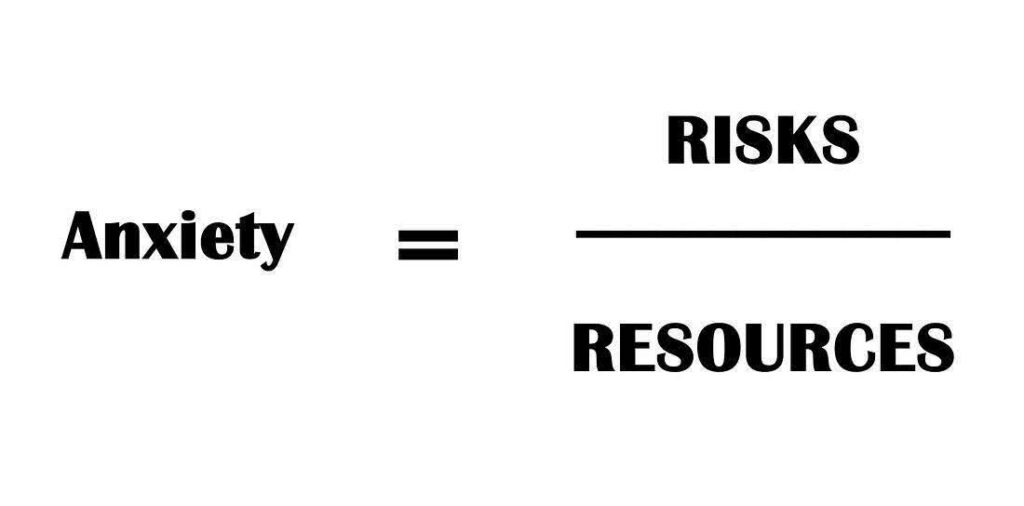
“Basically,” she explained, “anxiety happens when you feel that the amount of risks you’re facing outweighs the resources available to deal with those risks. Say you’re driving a car, and the gas tank is close to empty. The risk present is that you’ll run out of gas. But if there’s a gas station close by, and you have money to pay at the pump, you already have the resources necessary to deal with that risk. Therefore, the resulting value of your anxiety should be low. But if you’re in the middle of nowhere and your wallet is empty, the value of your anxiety would be substantially higher.”
I nodded as I listened. I have always liked tangible explanations—facts, figures, things I can write down in a notebook. I was good at school; I am less good at life. But this – this felt like a merging of the two, and I liked it already.
“The same formula can be applied to all of your worries about motherhood. Let’s take the risk of your body changing and it triggering old fears and habits from your eating disorder. Is that a risk? Sure. But you’re completely discounting all of the work you’ve done since you went into recovery. All of the skills you’ve added to your toolkit for dealing with issues of eating and body image.” She paused. “Let’s list a few. If you have a spike in ED symptoms, what do you usually do?”
“I use noting,” I said, listing one of my favorite skills I learned in treatment. “Instead of buying into the thought, arguing directly with it or letting it dictate my actions, I acknowledge it, let it exist in my mind, and then I redirect my focus to whatever I was doing before. I go on with my day.”
“Right,” said Helen. “So, that would be one of your resources. What are a few others?”
“Pontus. I go to him for support all the time. Or I could call my older sister, or one of my girlfriends.”
SBN: My feelings are not too hurt that you wouldn’t call me, your own mother…
EMMA: “Or you could call me, or your old ED specialist,” Helen added. “So: mindfulness techniques. Family. Friends. Access to mental health care.” She ticked everything off on one hand. “Those are a lot of resources for dealing with that one risk, is it not?”
I nodded slowly.
“I’m not saying that a spike in your ED symptoms won’t happen. I’m not saying that, if it did, it wouldn’t be uncomfortable. But when you consider all the resources available to you to deal with that risk, do you not feel a bit better?”
I considered her question.
And you know what?
I did.
Which was crazy, because I have spent more than half my life in search of things that would make my chronic anxiety decrease. Most of them have been hard-won, coming only after weeks, months, or even years of practice (mindfulness, meditation, therapeutic skills, etc). Some have been chemical, like medication. But this—this was easy. This was tangible. This was a formula I could turn to when things feel overwhelming or insurmountable (which they almost always do).
At its core, this concept is embarrassingly simple: when you’re dwelling on potential risks, don’t discount the resources you have to deal with them. Put differently: when faced with problems, consider also their solutions.
It feels almost humiliating that I, a 30-year-old woman, needed to have this concept spelled out for me. But that’s the thing about having severe anxiety. It is an all-encompassing fear that takes over your entire brain, shutting down basic systems like logic or reason. It breaks down your machinery. The reason someone like me goes to therapy is to learn techniques to help bring that system back online—a process that, for someone without severe anxiety, is probably automatic.
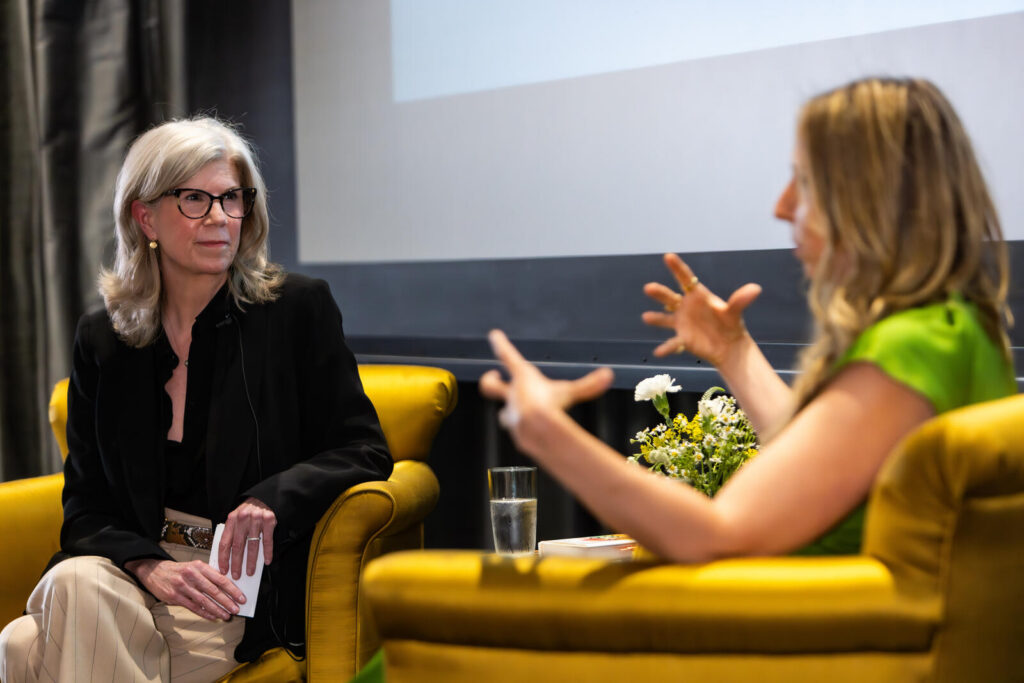
SBN: As our world grows more complicated, with communication often siloed and saturated by negative or dysfunctional news, even more brains are likely to feel as anxious as yours too. That means more people need your example, freely accessible excellent advice, and opportunities to support research that leads to Better Mental Health too.
EMMA: I’m not saying that this formula is a magical, quick-fix cure-all for anxiety. I’ve been in this game too long to believe in those. But it’s one more thing to add to my toolkit. One more technique I can reach for when I’m spiraling out. One more—as Helen would put it—resource to lean upon when things get tough.
And every additional resource makes the final value of that equation feel just a little less scary.
SBN: Make It Better loves helpful tips, toolkits and additional resources too! Many of the nonprofits we support offer them as well.
But the world also needs more courageous voices willing to share their mental health stories and amplify expert advice too.
Everyone can help.
Read More
Emma Noyes writes books about love, mental health, and magic for both young adult and adult readers. Learn more at her website emmavrnoyes.com and subscribe to her Substack.
Vienna Pharaon is a bestselling author and family therapist whose work explores relationships, emotional patterns, anxiety, healing, and the ways our past experiences shape our lives. Learn more at viennapharaon.com.
How to Help
Support The Family Institute at Northwestern University and help expand access to trusted mental health care, expert guidance, and stronger emotional support systems. Donations help provide therapy for individuals, couples, and families who might not otherwise be able to afford care, while also advancing research, training the next generation of clinicians, and supporting innovative approaches to mental health treatment and education.

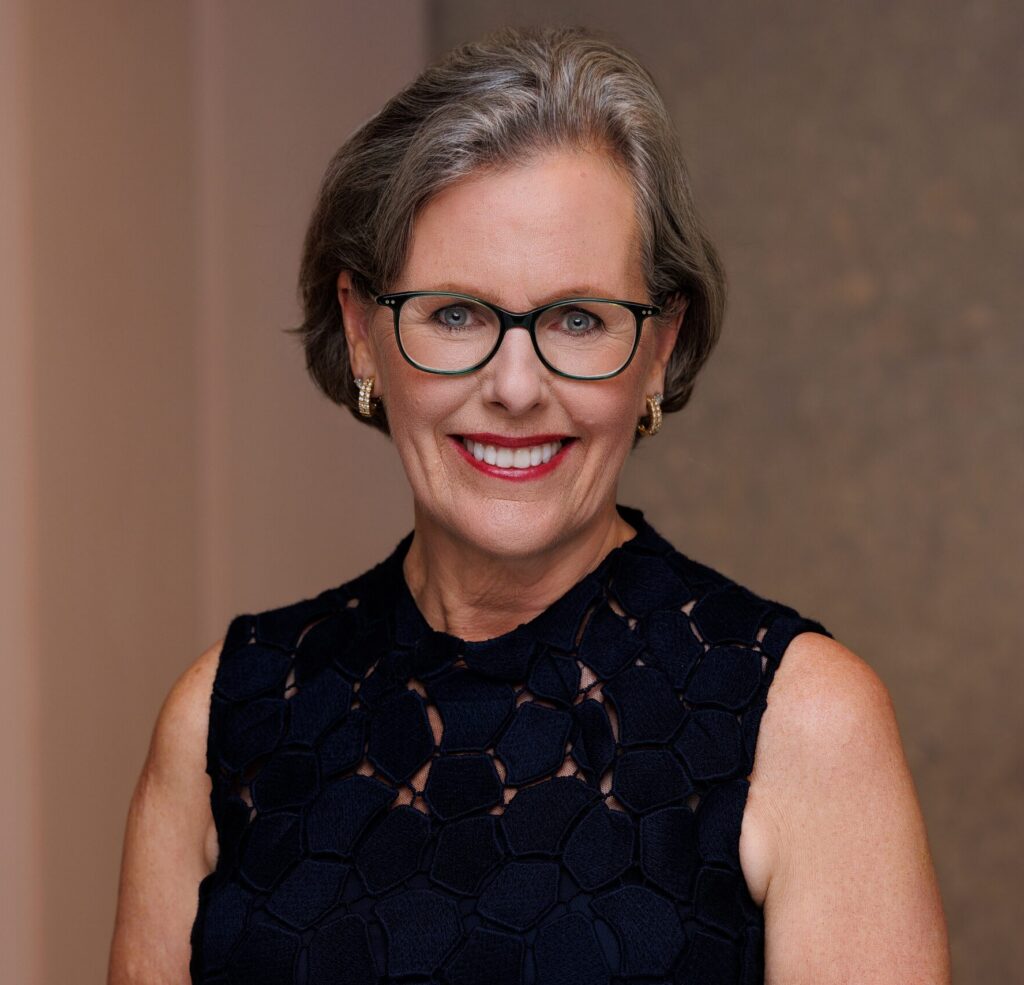
Susan B. Noyes, founder of the Make It Better Foundation, which publishes Better magazine, is a mom, writer, strategist, philanthropist, and civic activist. She has served on numerous boards, including the American Red Cross, Chicago Public Education Fund, Harvard Graduate School of Education, Joffrey Ballet, Poetry Foundation, Rush Neurobehavioral Center for Children, New Trier High School District, and her beloved Kenilworth Union Church. Her work is driven by her commitment to helping people live, love, work, play, and give with greater purpose and joy.