
When sharing wealth we generated in our own lifetimes, some of us just follow our hearts. That could mean simply responding to requests; hosting a table at the gala, raising the paddle at the auction.
But when pondering what we will leave behind for future generations — in terms of both legacy and financial inheritance — many families realize it is time to strategize. Frankly, families in the position to leave a generous inheritance sometimes worry they might cause the next generation more harm than good. They want to make sure their children and grandchildren share what they have been given to make the world a better place.
That is when it is time to sit down and create a long-term plan for family philanthropy. In my many decades as a financial advisor, I have been able to help many clients sharpen their philanthropy focus and chart a future course that pulls in every generation. Many of the families I work with have found the best way to do that is to involve all generations in family philanthropy — starting right now.
Boots on the Ground
A family might choose to take their commitment to philanthropy to the next level by making a significant gift to an organization they care deeply about — such as an animal rescue campus that provides a safe, stress-free environment for pets awaiting adoption. Such a contribution can set the family, across multiple generations, on a path of long-term support for causes that matter to them.
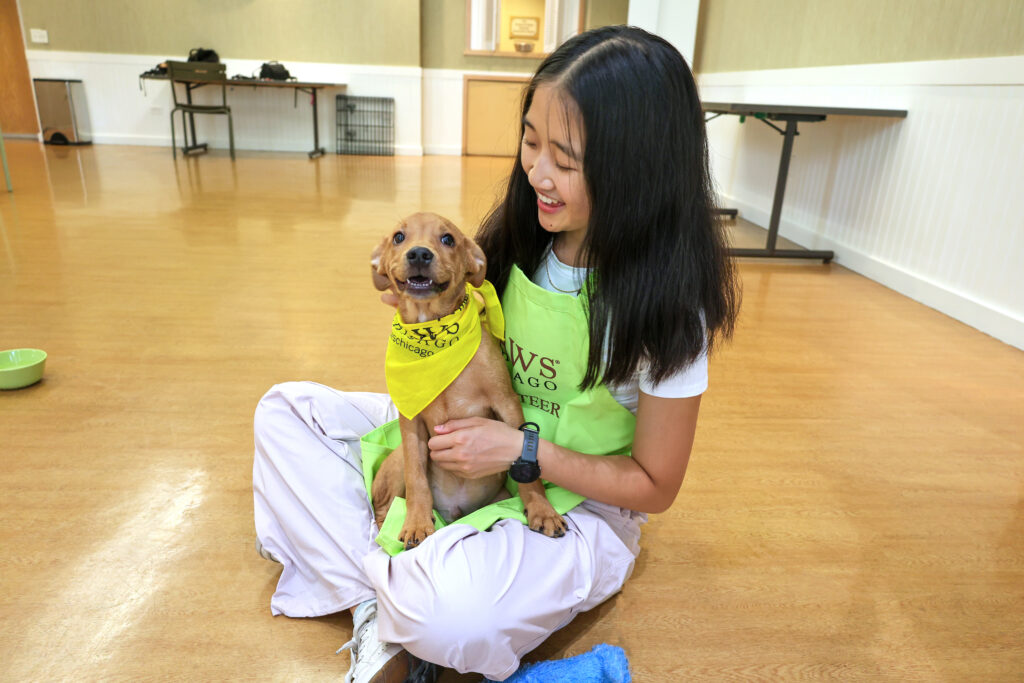
This kind of journey rarely begins with a single large donation. It often starts years earlier, when families take time to define their philanthropic mission. Many choose to focus on a few key areas — such as animal welfare, substance abuse, or poverty — and establish a family foundation to formalize their efforts. Including members from different generations on the board helps ensure continuity and shared purpose.
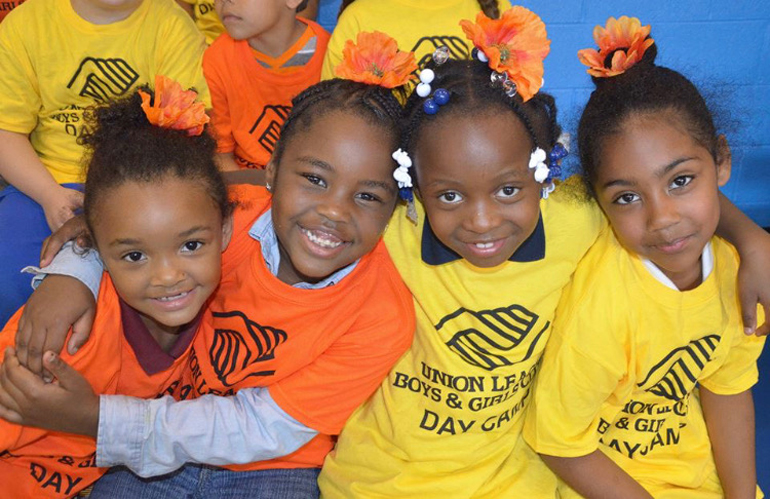
Board participation is valuable, but many families go further. Younger generations often engage in hands-on experiences, visiting organizations they support and learning about their work firsthand. For example, they might travel to a wildlife rescue, volunteer at a local shelter, or spend time at a youth club. These experiences deepen their connection to the mission and often lead to moments where younger family members proudly present donations on behalf of the family.
Passing the Baton
As the younger generations mature, some families will welcome them to become more active in family giving, even choosing recipients of gifts.
It is up to the family, of course, on how much guidance they choose to provide upcoming generations. But it is worthwhile to consider whether your grandchildren will share your passions. If you establish a family philanthropy to support the ballet in perpetuity, what happens if future generations just don’t care about the ballet? They are not likely to be enthusiastic participants in continuing that legacy.
Some families do put guidelines in place. One family I work with welcomes the younger generation to bring their suggestions to quarterly meetings. The children can present their research and advocate for gifts, with the caveat that 90 percent of the funds stay in their local area.
Roadmap to a Focused Family Giving Plan
These are the steps I guide clients through as they work to involve all generations in moving their philanthropy into the future:
Step 1: Develop a mission statement. This document can outline core values that the family wishes to project into the future.
Step 2: Consider family members’ values and interests. Talk with the younger family members to find out what issues spark their enthusiasm. Ask: Where have you lived or traveled that’s had an impact on you?
Step 3: Choose the right charitable giving vehicle. There are many options, depending on the family’s particular circumstances. Ask your advisor whether you should use a donor advised fund, a private foundation, a charitable gift annuity, a charitable lead trust or another vehicle.
Step 4: Create guidelines for future decisions. These guidelines can be specific, limiting giving to a geographical area or a type of charity, or flexible, giving younger family members more decision-making power.
Step 5: Create your family legacy. This should be kept in mind through every step in the family philanthropy process. By sharing your values with the younger generation and empowering them to take an active role, you’re setting in motion a legacy that could flourish for many generations.
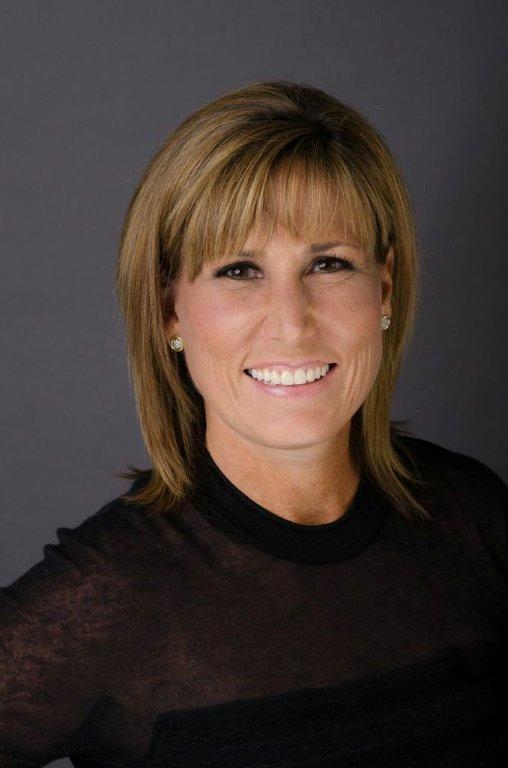
Kathy Roeser is a Financial Advisor with the Wealth Management Division of Morgan Stanley in (Chicago, IL). The information contained in this article is not a solicitation to purchase or sell investments. Any information presented is general in nature and not intended to provide individually tailored investment advice. Information contained herein
has been obtained from sources considered to be reliable, but we do not guarantee their accuracy or completeness.
The strategies and/or investments referenced may not be appropriate for all investors as the appropriateness of a particular investment or strategy will depend on an investor’s individual circumstances and objectives. Morgan Stanley and its Financial Advisors do not provide tax or legal advice. Individuals should seek advice based on their particular circumstances from an independent tax or legal advisor.
The views expressed herein are those of the author and may not necessarily reflect the views of Morgan Stanley Wealth Management, or its affiliates. Morgan Stanley Smith Barney, LLC, Member SIPC. CRC 5000026 11/25