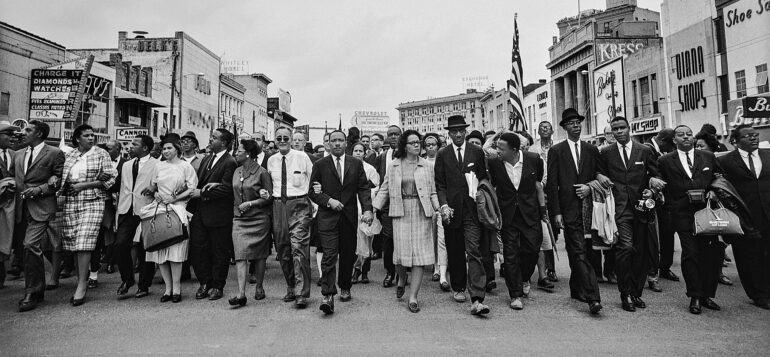
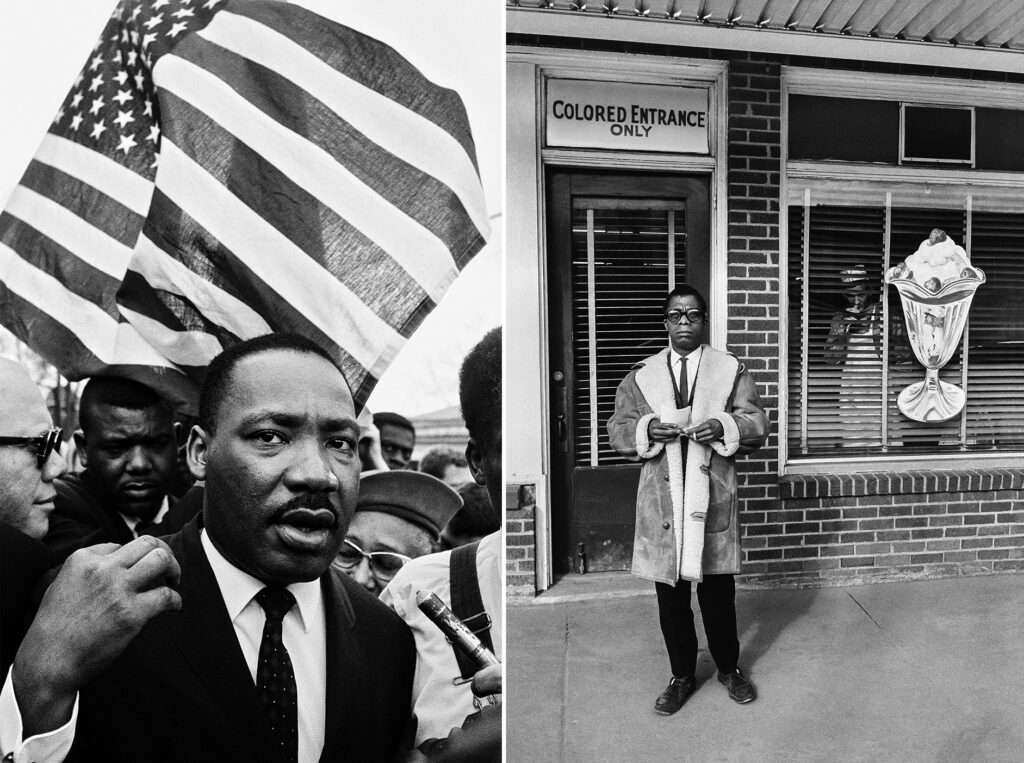
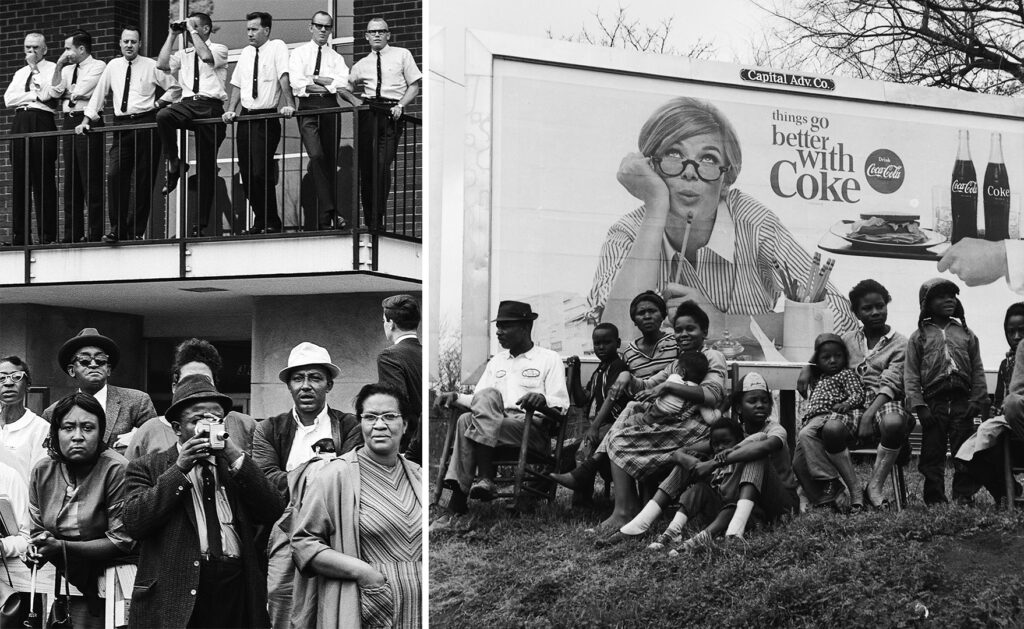
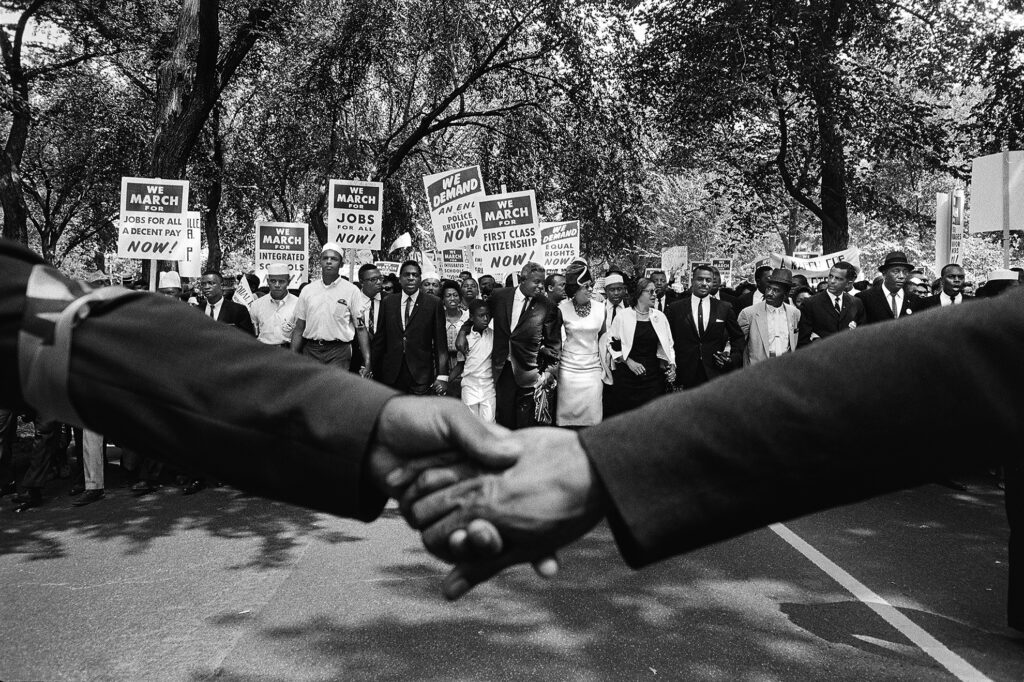
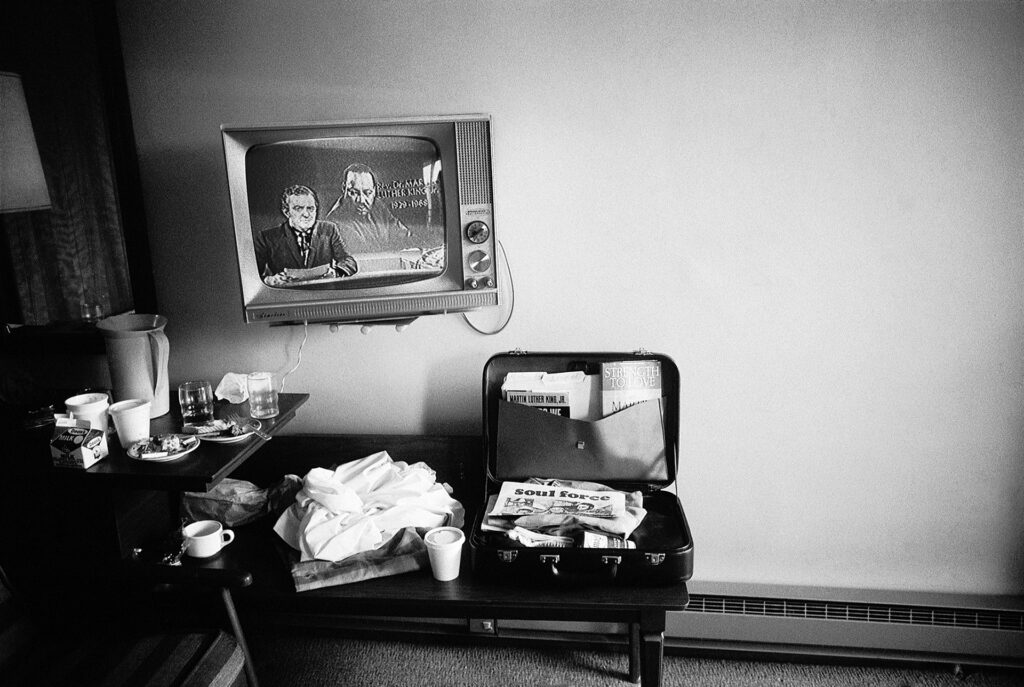
The American civil rights movement was unfolding in real time — in churches and streets, on buses and courthouse steps — when photographer Steve Schapiro began documenting it. From Selma to Mississippi, Harlem to the Deep South, his photographs captured not only historic leaders including Dr. Martin Luther King Jr., James Baldwin, and Rosa Parks, but also the unnamed students, organizers, and families who carried the movement forward under constant threat.
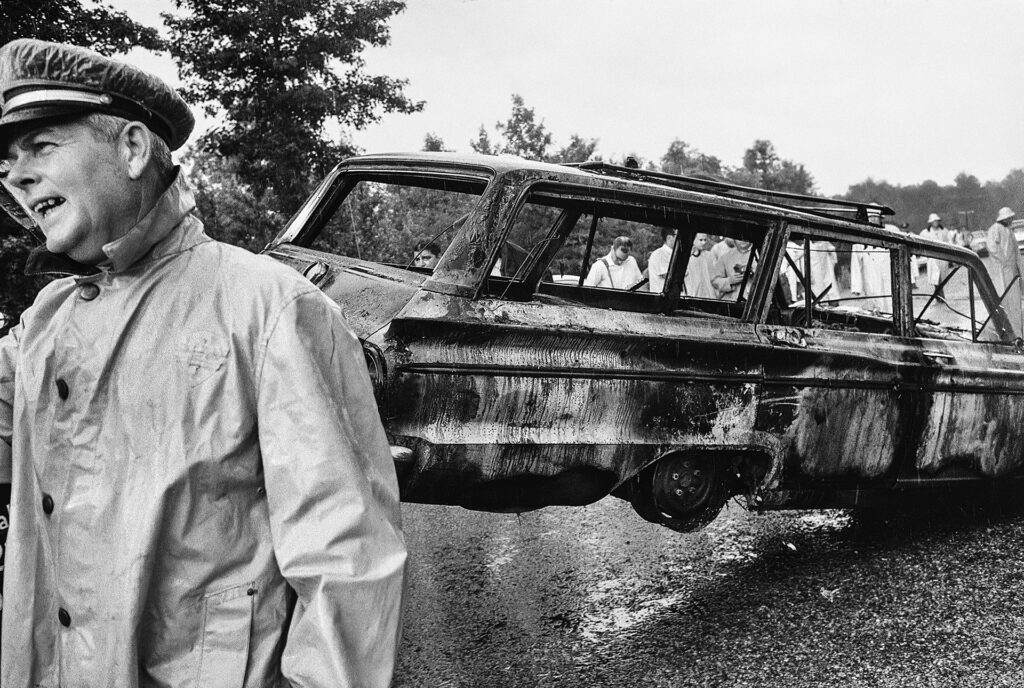
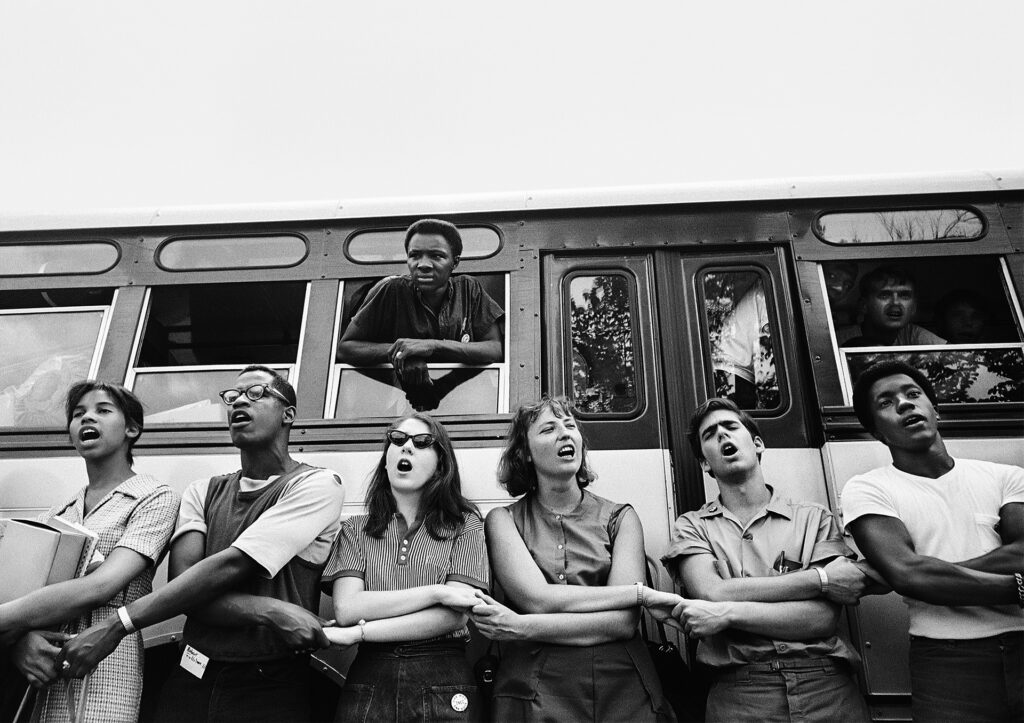
Photographed between 1961 and 1968, Schapiro’s images document a period of profound social change and the everyday human cost of demanding equality. Schapiro’s civil rights photographs from 1963 to 1968 were later gathered in The Fire Next Time, pairing his images with James Baldwin’s text in a record of the movement as it was lived.
Schapiro’s approach to social documentary photography was shaped early on by his studies with LIFE magazine photo essayist W. Eugene Smith, known for his humanistic perspective.
In a 2017 interview with Mark Edward Harris for Black & White Magazine, Schapiro reflected on the daily reality and uncertainty of photographing the movement.
“You take it day by day. There was always something happening somewhere, and you would photograph that. You’re never quite sure what you have on the rolls of film,” Schapiro said.
The photographs that follow document what unfolded in those pivotal moments.
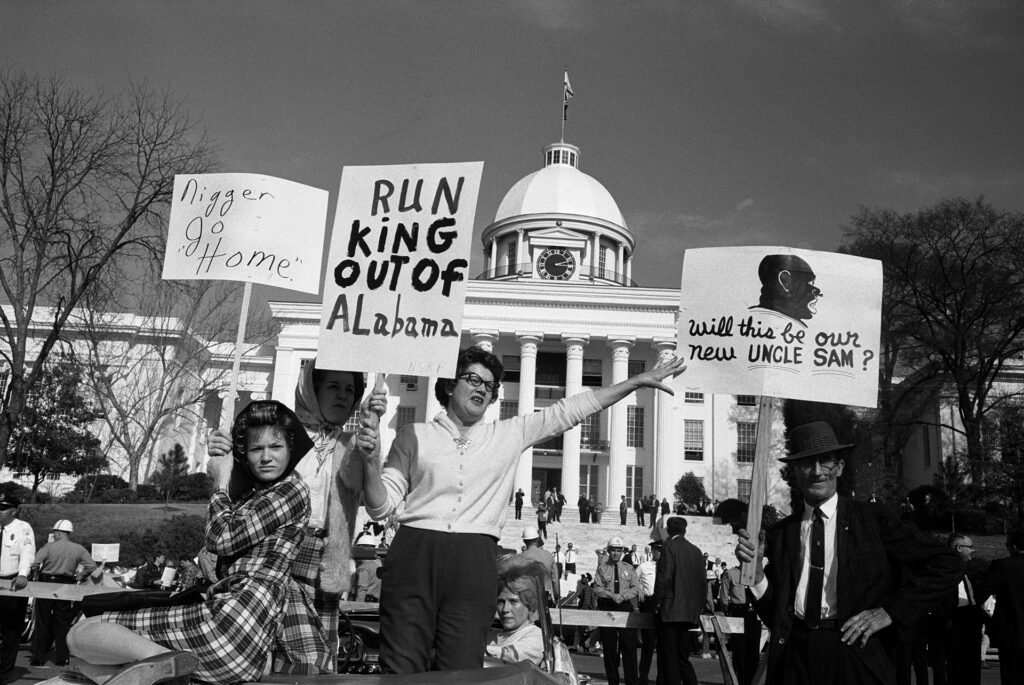
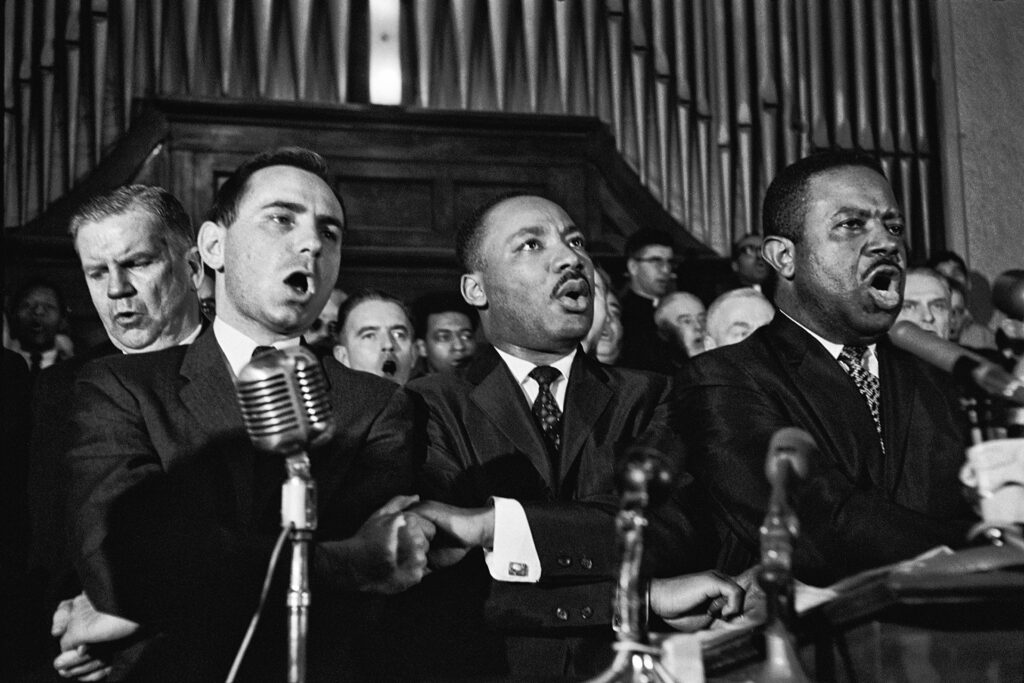
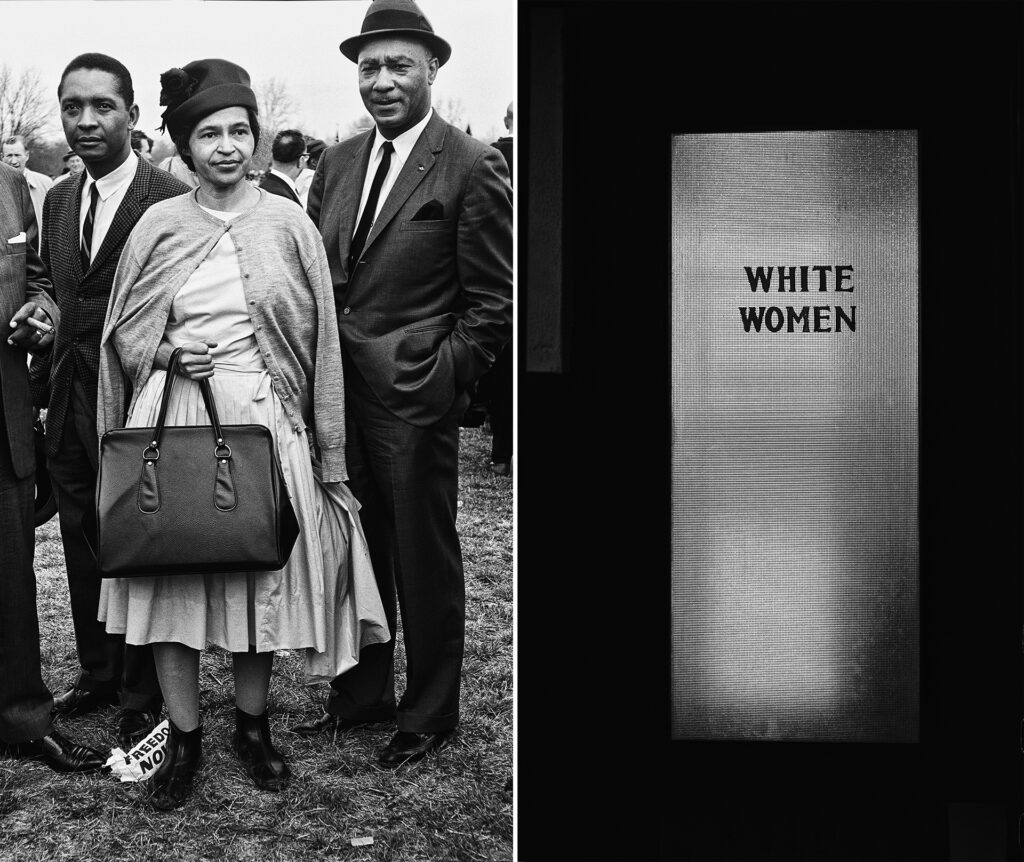

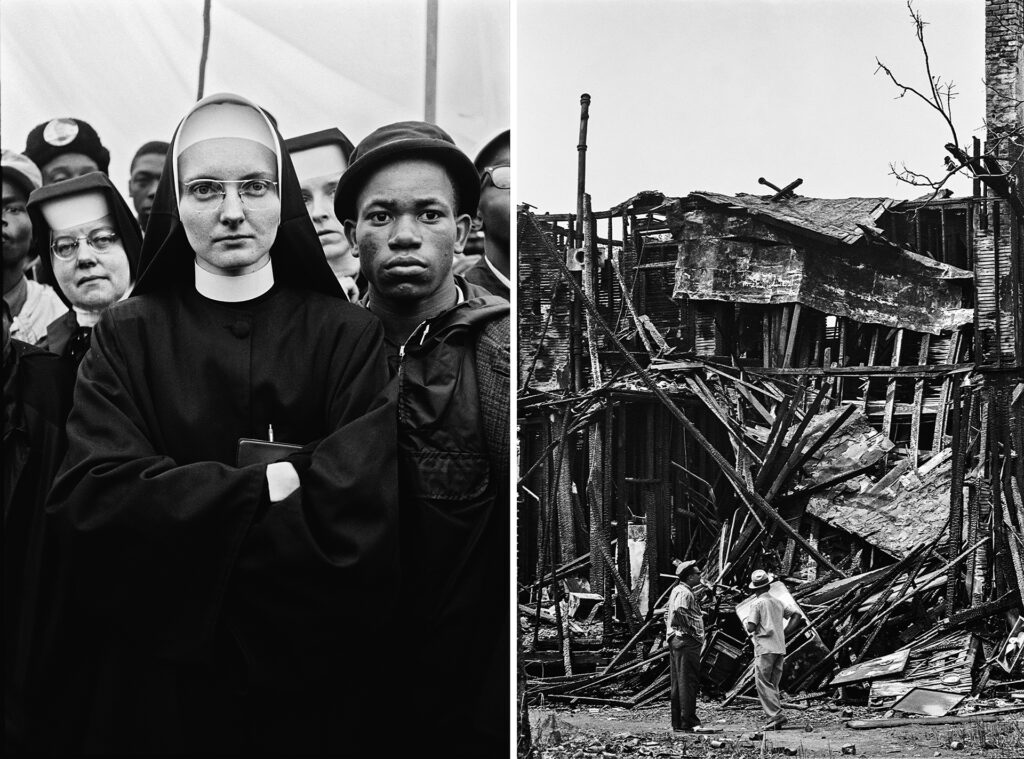
Steve Schapiro: Being Everywhere
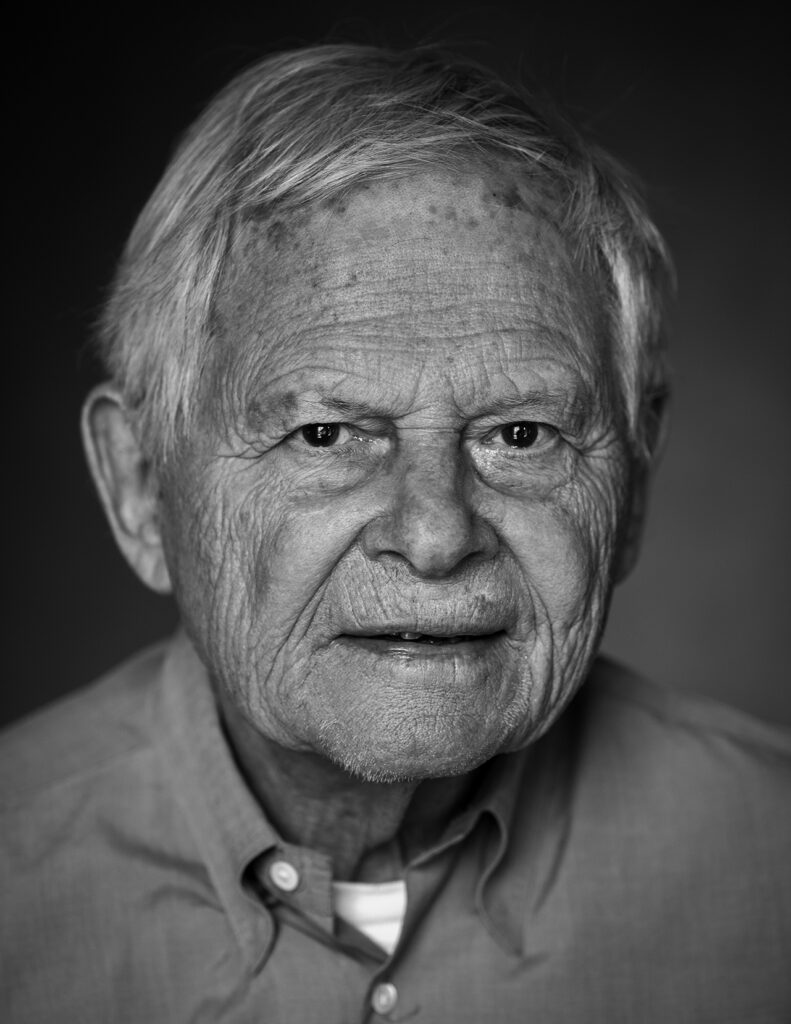
Beyond his civil rights work, Steve Schapiro’s long career encompassed an extraordinary range of subjects, from musicians, artists, and political figures to Hollywood film sets and everyday life. His photographs include portraits of Barbra Streisand, Muhammad Ali, David Bowie, and Robert F. Kennedy, as well as behind-the-scenes images from films such as The Godfather, Taxi Driver, and Chinatown.
That breadth is the focus of Steve Schapiro: Being Everywhere, a documentary directed by Maura Smith, now playing in select theaters. Fahey/Klein Gallery is also hosting an exhibition of the same name from Jan. 22 to March 21, 2026, that brings together his photojournalism, portraiture, and film photography, underscoring a career defined by access, curiosity, and sustained presence across cultural and political life.
How to Help
The photographs here document a struggle that did not end in 1968. Readers looking to support ongoing work around civil rights, voting access, and racial justice can learn more, get involved, or donate to organizations such as the ACLU, NAACP, League of Women Voters, and the Southern Poverty Law Center,
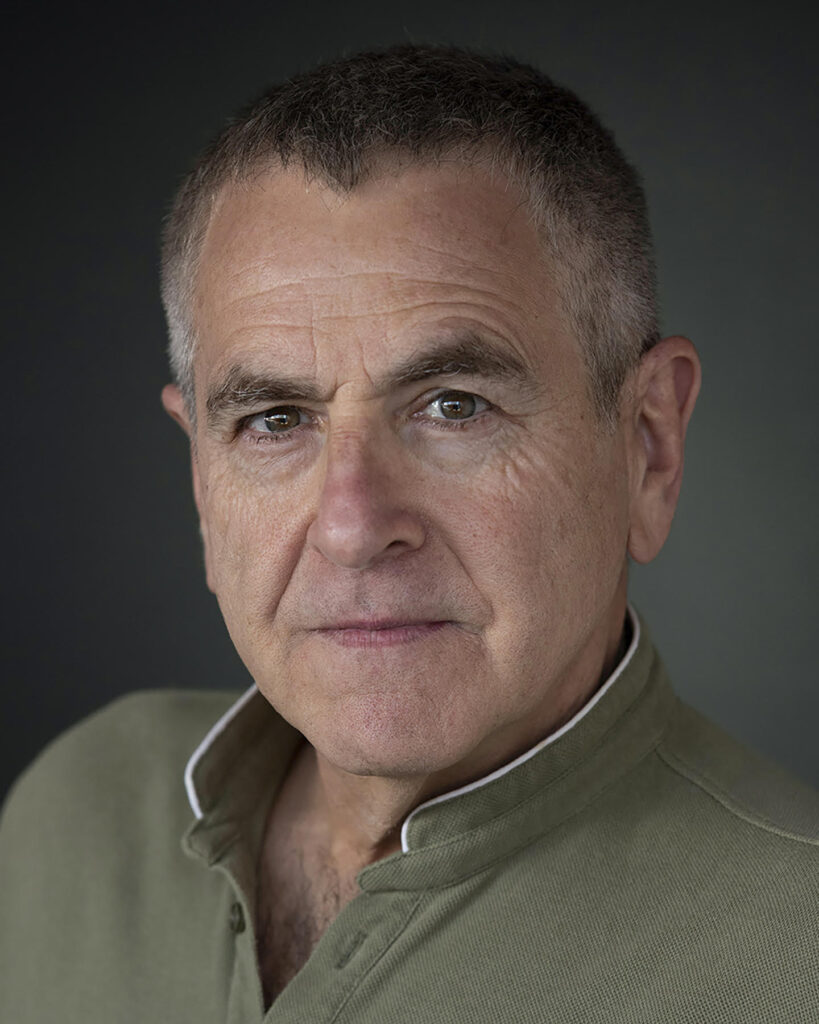
Award-winning Director of Photography Mark Edward Harris
Mark supports:
Center for Great Apes
Borneo Orangutan Survival Foundation
Search Dog Foundation
His books include:
Faces of the Twentieth Century: Master Photographers and Their Work
The Way of the Japanese Bath
Wanderlust
North Korea
South Korea
Inside Iran
The Travel Photo Essay: Describing A Journey Through Images
The People of the Forest