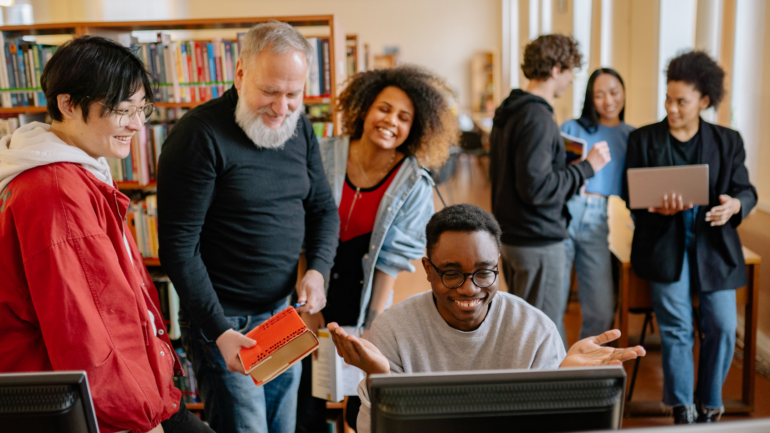
What if your local library could solve your next weekend problem and expand your sense of community at the same time? What if you could borrow a telescope for a stargazing night, a pickleball set for a spontaneous match, or even a vacuum cleaner when yours gives out mid-mess, all without spending a dime? What if, while you were there, you also signed up for a free cooking class, traded plants with a neighbor, or left having met someone new?
For many people, libraries still live in memory as quiet buildings filled with books. And while books remain at the heart of what libraries do, today’s libraries are far more expansive. They are living, adaptive spaces that provide the tools to convert curiosity into something practical.
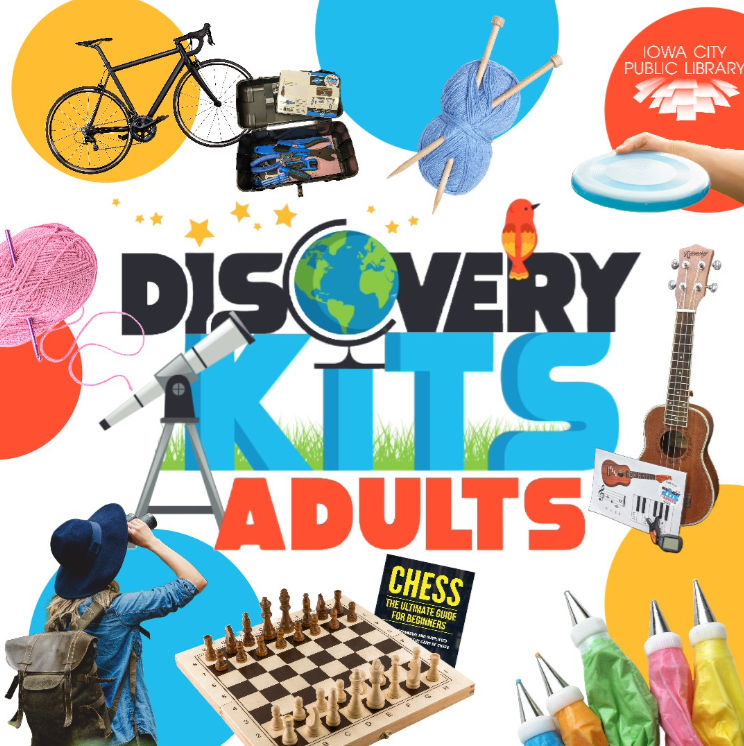
In communities across the country, libraries have become essential civic infrastructure, supporting everyday needs while strengthening the connections that hold communities together. In addition to books and digital access, many now offer a “library of things,” lending everyday items that make life easier and more affordable. Depending on where you live, that might include home appliances and electronics, sports equipment, gardening gear and seed libraries, and tools for creativity and learning — from musical instruments and record players to 3D printers and Arduino kits.
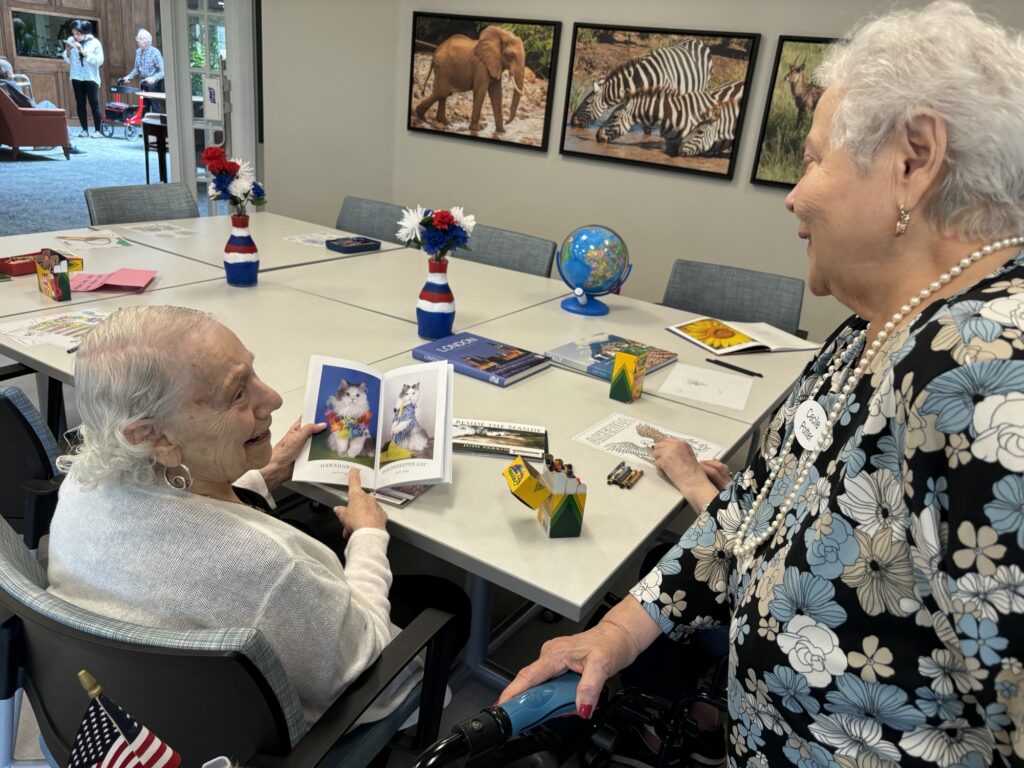
But these offerings aren’t just about convenience. They open the door to learning, creativity, and connection. A cooking class can build confidence in the kitchen. A seed swap gets neighbors talking. A borrowed tool can make a project possible without financial strain.
Libraries offer something that’s getting harder to find: a place to be together despite differences. They are among the last public spaces where people can gather without needing to buy something, prove something, or perform something. In that shared space, people encounter one another— not always in agreement, but in proximity. And that simple act of sharing space with curiosity instead of fear is foundational to a healthy democracy.
They also serve as practical infrastructure in people’s lives. Libraries help entrepreneurs get ideas off the ground, support job seekers building new skills, give students tools to create, and introduce children to reading in ways that last. At the same time, they protect something less visible but just as important: the freedom to access information, explore ideas, and come to your own conclusions.
A library’s impact also plays out in ordinary moments. A a teenager finds a book that helps them feel seen, a parent accesses trusted health information, or neighbors meet at a plant swap and leave with more than they brought.
So yes, come for the vacuum cleaner, the pickleball set, the free cooking class, or the seed library. Come for the things you didn’t know your library could offer. Then stay a little longer for the conversations, the connections, and the reminder that the space still exists and is still open to everyone.
How to Help
Despite all that libraries have to offer, they face growing challenges — from funding cuts to book bans. These pressures limit access to information and narrow the spaces where people can read, learn, and think freely.
The American Library Association (ALA) empowers and advocates for libraries and library workers to maintain access to information for all. Donations to ALA improve library and information services and the profession of librarianship.

This post was submitted as part of our “You Said It” program.” Your voice, ideas, and engagement are important to help us accomplish our mission. We encourage you to share your ideas and efforts to make the world a better place by submitting a “You Said It,” which can earn a nonprofit that you champion a $1,000 donation from the Make It Better Foundation and eligibility for a Philanthropy Award, grant content partnership, and greater engagement with our audience.
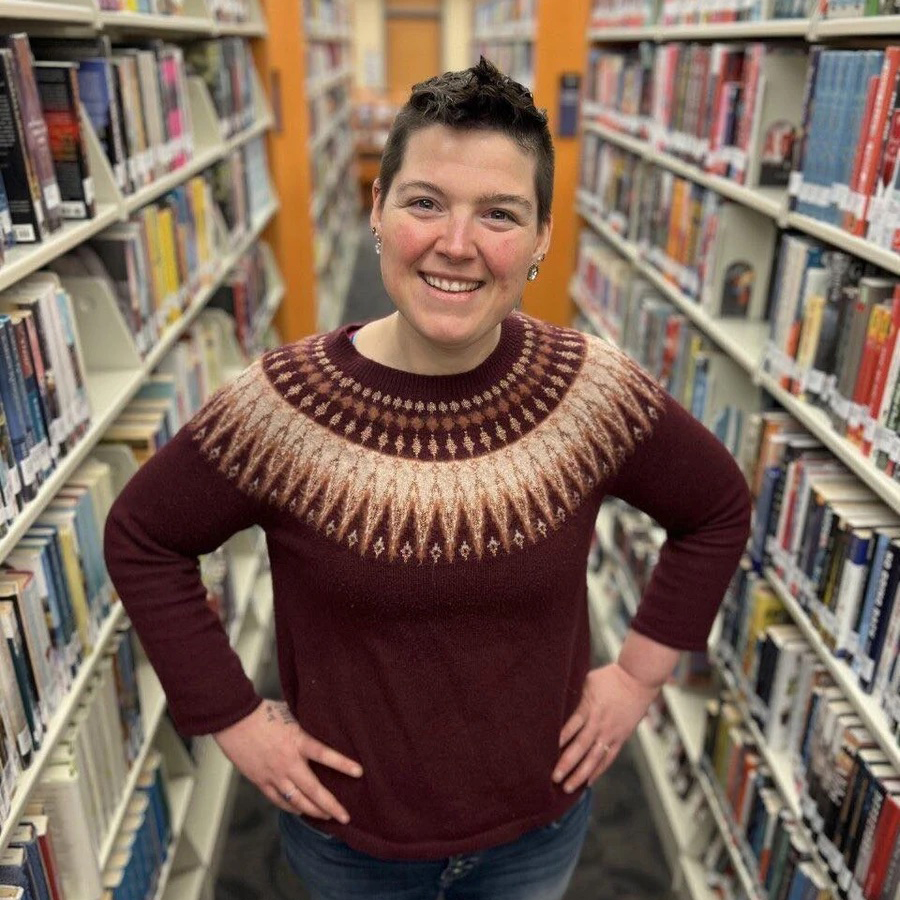
Sam Helmick (they/them) is the 2025-2026 ALA President. Helmick served as a member on the ALA Executive Board and a past president of the Iowa Library Association. They previously served as former chair-elect on the Intellectual Freedom Round Table and chair of the Iowa Governor’s Commission of Libraries. They have served on committees for the Network of the National Library of Medicine, the Stonewall Book Awards, the ALA Policy Monitoring Committee, Young Adult Library Services Association (YALSA) Michael L. Printz Committee, the Reference and User Services Association (RUSA) Sophie Brody Award Committee and the YALSA Fundraising Task Force. Helmick is a 2016 Emerging Leader, as well as an author, consultant, and instructor for social media marketing and graphic design. Helmick holds a Bachelor of Science in Human Services from Iowa Wesleyan University and a Master of Science in Library and Information Science from the University of Illinois.
More from Better:
- As Book Bans Surge and Reading Rates Fall, This Museum Champions the Power of Writing
- Patti Smith, Joined by Jeff Tweedy, Sings ‘People Have the Power’ and Urges Sold-Out Crowd to ‘Use Your Voice’
- 5 Lessons From Paul Nicklen’s New Book ‘A Photography Masterclass’ — On Creativity, Conservation, and Storytelling That Drives Change