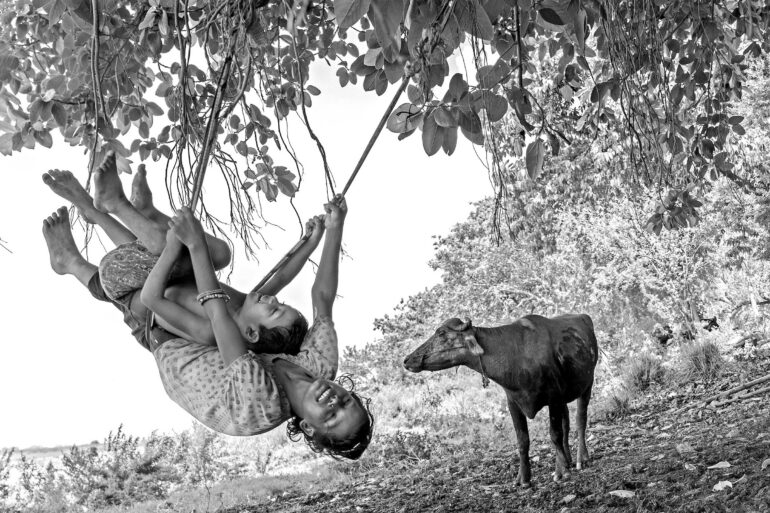
As support for in-depth environmental storytelling declines, the urgency of telling these stories continues to grow.
Vital Impacts — a Make It Better Foundation 2026 Philanthropy Award winner — is a women-led nonprofit that harnesses the power of art and storytelling to support community-based conservation efforts. This year, the organization awarded $50,000 in environmental fellowships and mentorships to empower local photographers to address and shine a light on critical environmental challenges within their own communities.
“Our aim is to support and nurture the next generation of environmental storytellers through fellowships and mentoring programs,” says founder Ami Vitale. “We aspire to create opportunities for these emerging voices to explore complex environmental issues with originality and nuance at this critical moment.”
Powerful stories and images can spark empathy, inspire action, and remind us of our collective responsibility to protect our planet. These photographers are using their work to illuminate the profound and often fragile connections between people and the planet.
Nurturing the Next Generation
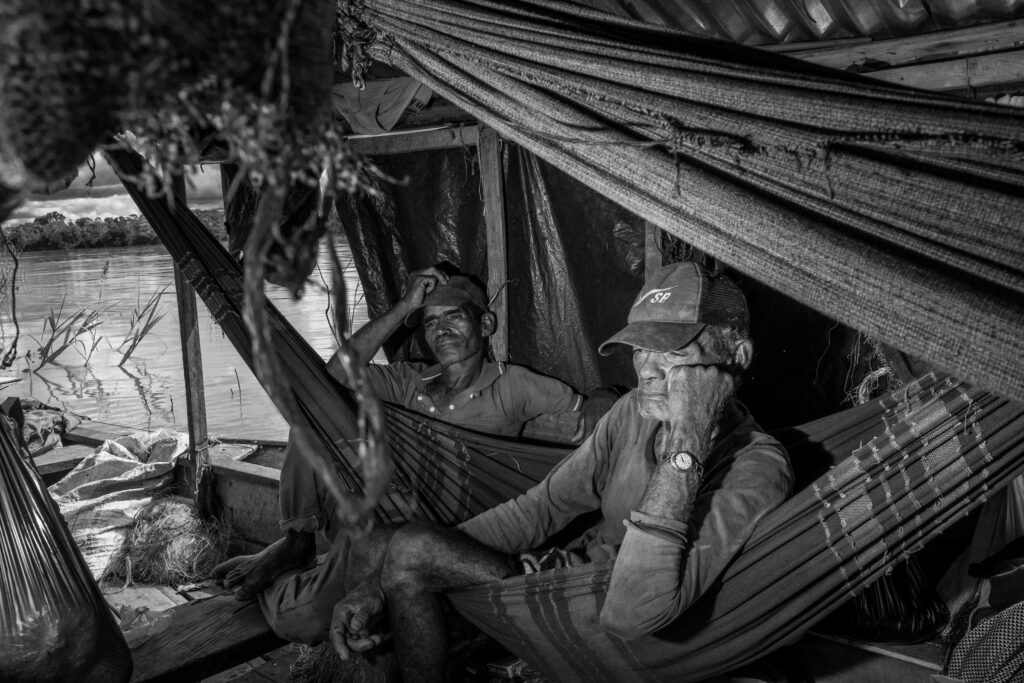
SANTA CRUZ, BRAZIL – JUNE 16, 2022: Antonio (left) stands with his father on their boat along the Itaquai River, near the riverine community of Santa Cruz, 15 km from Atalaia do Norte. A fisherman by trade, Antonio has twice been fined for catching pirarucu inside Indigenous reserves. In the Vale do Javari, illegal fishing of pirarucu—one of the world’s largest freshwater fish—is not only a subsistence practice but part of a wider criminal economy linked to trafficking and violence, placing Indigenous patrols and local communities under constant threat.
Yet Terra Vermelha, Tommaso Protti’s long-term project, is not only about loss. It is also about resistance. Across the Amazon, Indigenous leaders, land defenders, and environmental stewards organize, patrol their territories, and carry forward knowledge that has sustained these lands for generations.
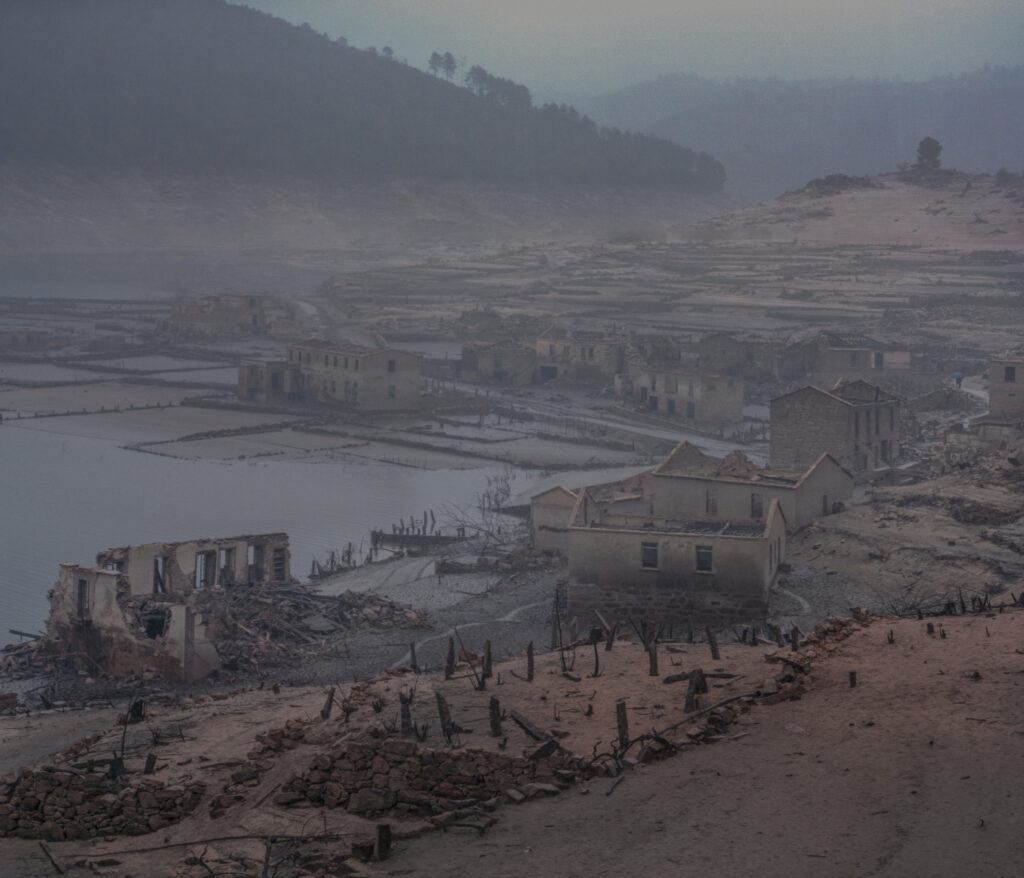
ACEREDO, Spain — Dec. 21, 2021: The abandoned town of Aceredo, which reemerged after spending three decades submerged beneath the Lindoso reservoir, stands exposed as water levels dropped, revealing the extent of human intervention and the impacts of climate change on the landscape. Once sustained by the surrounding mountains and river, the village remains largely intact, offering a stark reminder of a way of life frozen in time beneath the reservoir.
As Aceredo resurfaced, former residents returned to walk its streets and revisit their homes. Some, including Domingo Fontán, said they wished the waters had never receded, as the sight of the village reopened painful memories of a childhood left behind.
Photographer Carlos Folgoso Sueiro documents communities across Galicia confronting drought, wildfires, depopulation and climate change, while remaining deeply anchored in memory, local knowledge and resilience.
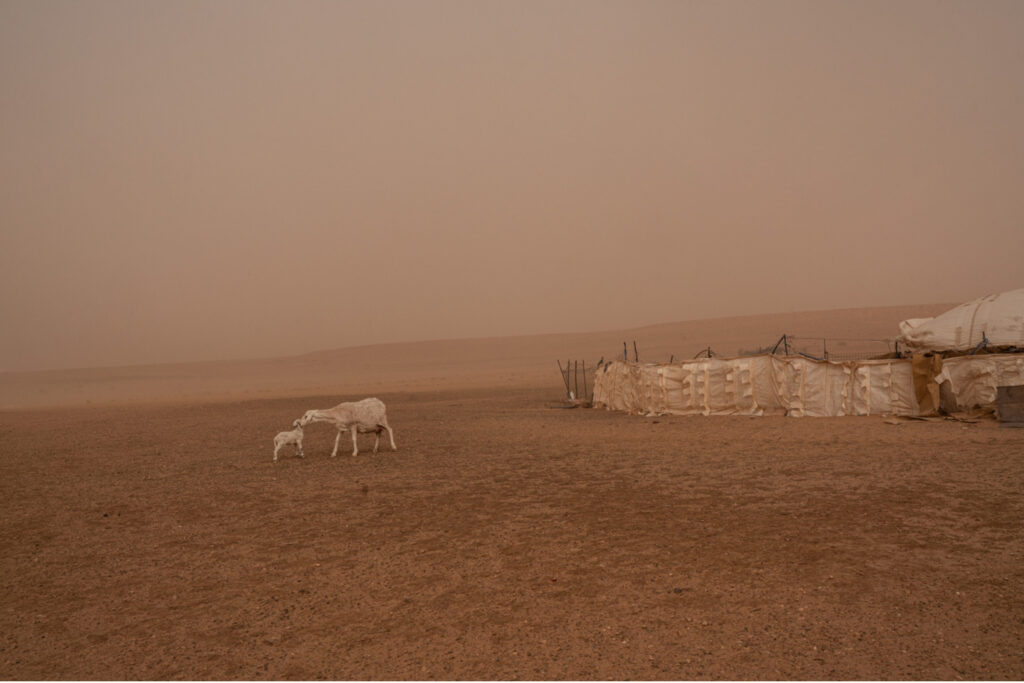
EL GHBAR, Algeria: A goat and its lamb stand amid a developing sandstorm sweeping over a family tent settlement in the steppe of Algeria. The image is part of Beyond the Steppe, a project by photographer Cléa Rekhou exploring Algeria’s Gourara and Touat regions, where she documents local communities and ancestral land-use practices, including oasis-based agroecological systems designed to manage water, prevent erosion, and sustain agriculture.
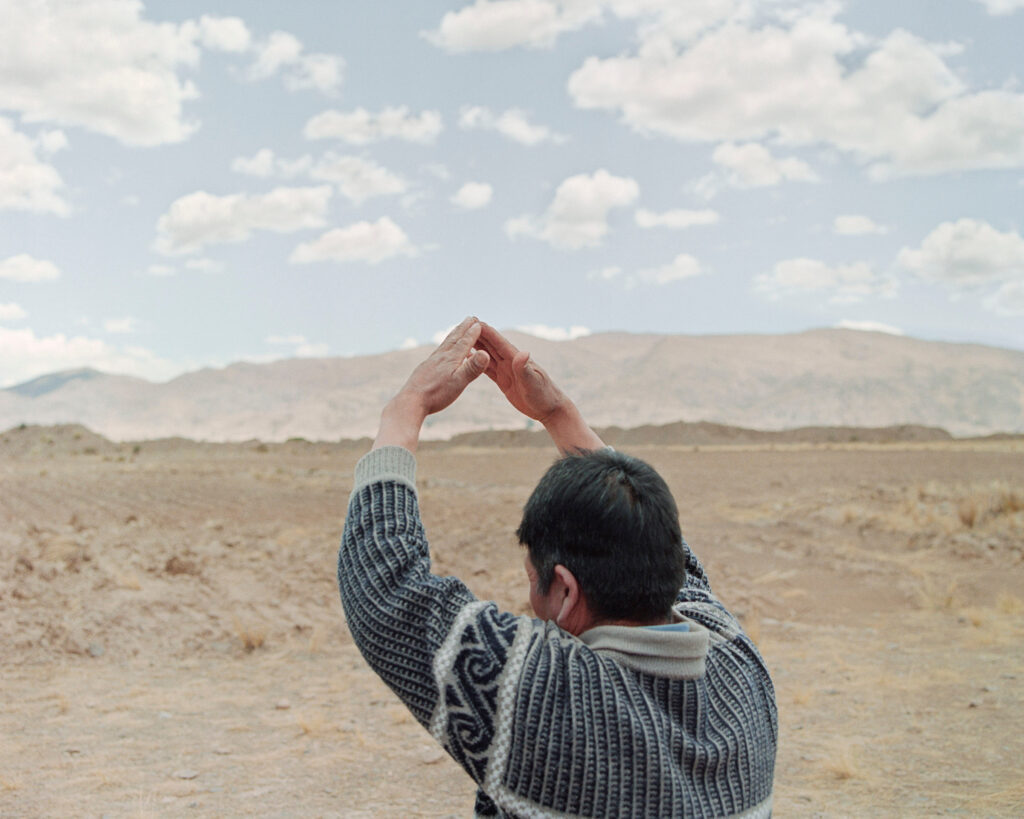
BOLIVIAN ANDES: A man gestures as he speaks near Lake Uru Uru, a high-altitude ecosystem reshaped by decades of mining pollution and the effects of climate change. Photographer River documents the lake’s gradual revitalization, where receding waters reveal both environmental damage and community-led efforts to restore the landscape.
Despite contamination and water loss, hope persists through local initiatives grounded in Indigenous knowledge, including the use of totora reeds to help filter toxic waste. Rooted in history and care for place, River’s long-term project bears witness not only to loss, but also to resilience and the possibility of renewal.
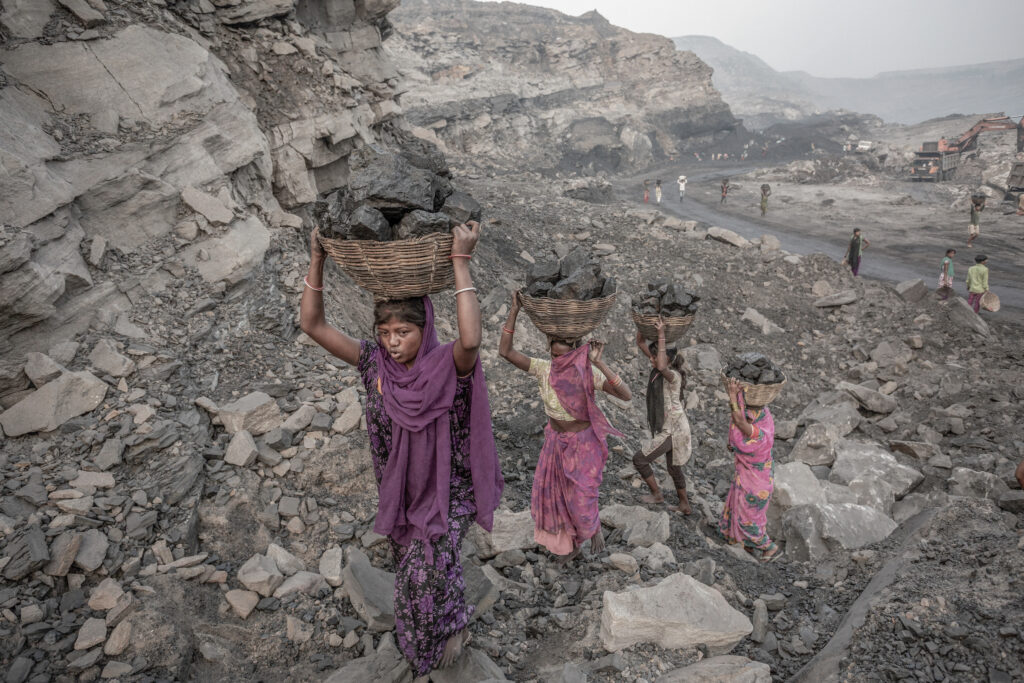
JHARIA, India — Oct. 28, 2017: Local villagers collect coal from abandoned and active mines in Jharia, in the eastern state of Jharkhand, risking their lives in unstable pits to earn meager wages. Many are pushed into the work by contractors and coal mafias, laboring without safety equipment or fair pay. For families living below the poverty line, illegal coal collection has become a means of survival.
The environmental and human costs are severe. Open-cast and underground mine fires release large amounts of greenhouse gases, including carbon dioxide and methane, contributing to climate change. Air and water contamination are widespread; biodiversity has declined, and children are exposed to hazardous conditions that lead to malnutrition and respiratory illness. Jharia supplies a significant share of India’s coal, which fuels much of the country’s energy demand, but the burden is borne by local communities and the surrounding ecosystem.
Photographer Supratim’s work examines these realities while pointing toward the urgent need for a transition to renewable energy sources, including wind, solar, and water power.
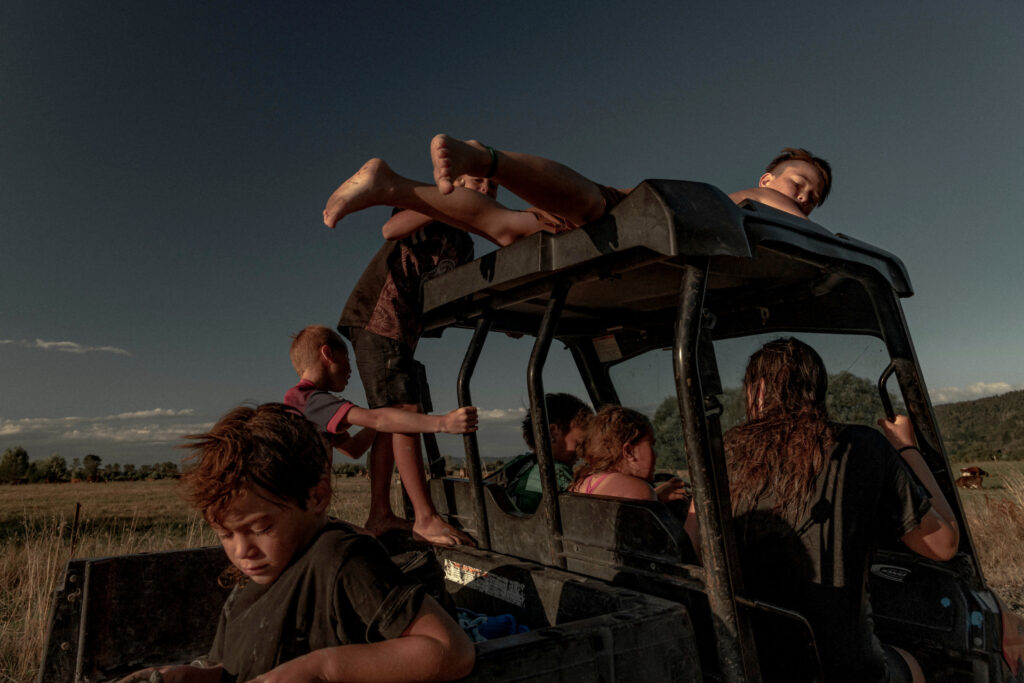
RUATOKI, New Zealand: Children from the Teepa family walk home after swimming in the Ōhinemataroa (Whakatane) River in Ruatoki. From an early age, Tūhoe children are taught independence, responsibility and care for one another and the land.
Photographer Tatsiana Chypsanava documents Tūhoe stewardship of Te Urewera through everyday practices of kaitiakitanga, customary governance and intergenerational connections to ancestral lands, offering a living model of Indigenous sovereignty and environmental care.
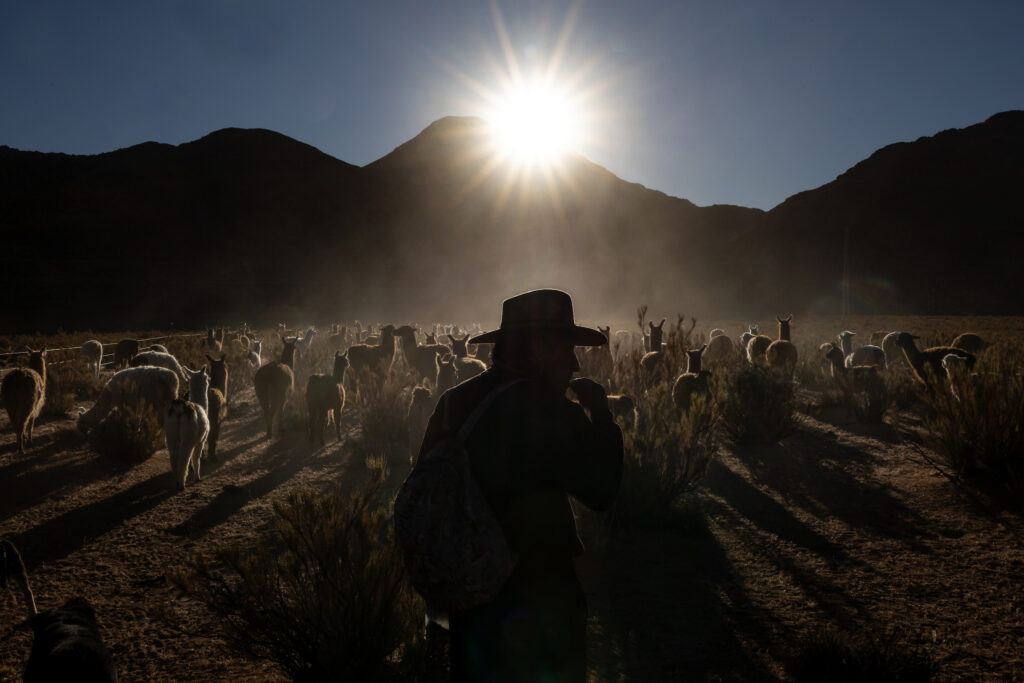
Humberto Carrillo guides his llamas across the dry Guayatayoc Lagoon. In Alfarcito, llama farming sustains the family and community economy. Families practice transhumant grazing, moving their herds between different wetlands scattered throughout the communal territory, areas that contain the main pastures. Guayatayoc Lagoon, July 7, 2025.
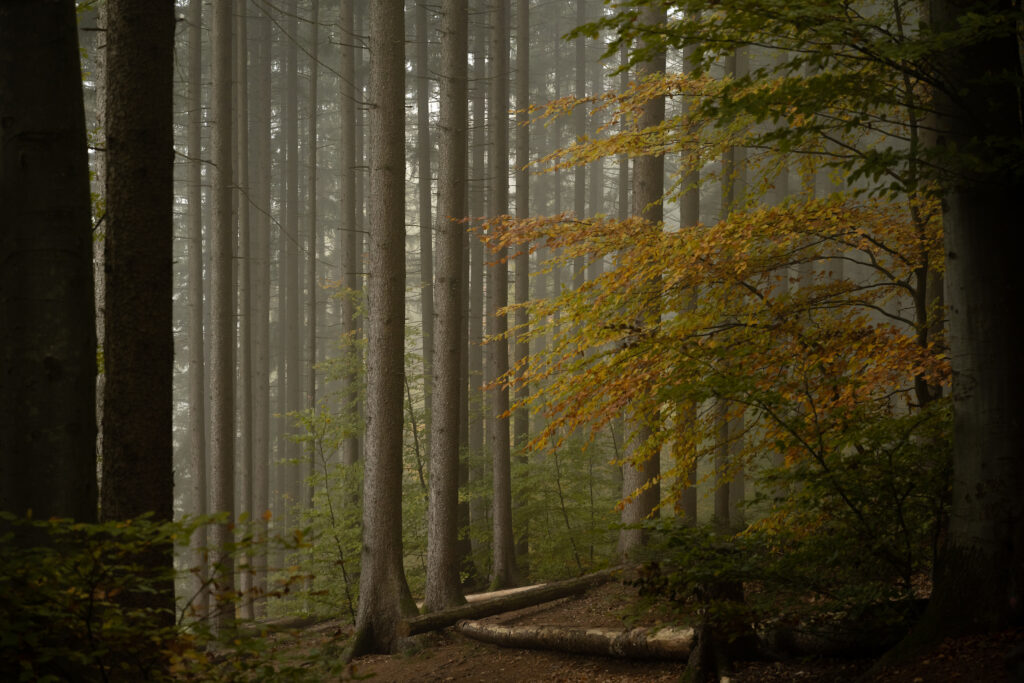
Germany’s fragmented forests show the contrast between conservation needs and forest management realities. While bats require mature trees with natural cavities for roosting, modern forestry practices favor younger stands that lack the hollow spaces essential for bat survival.
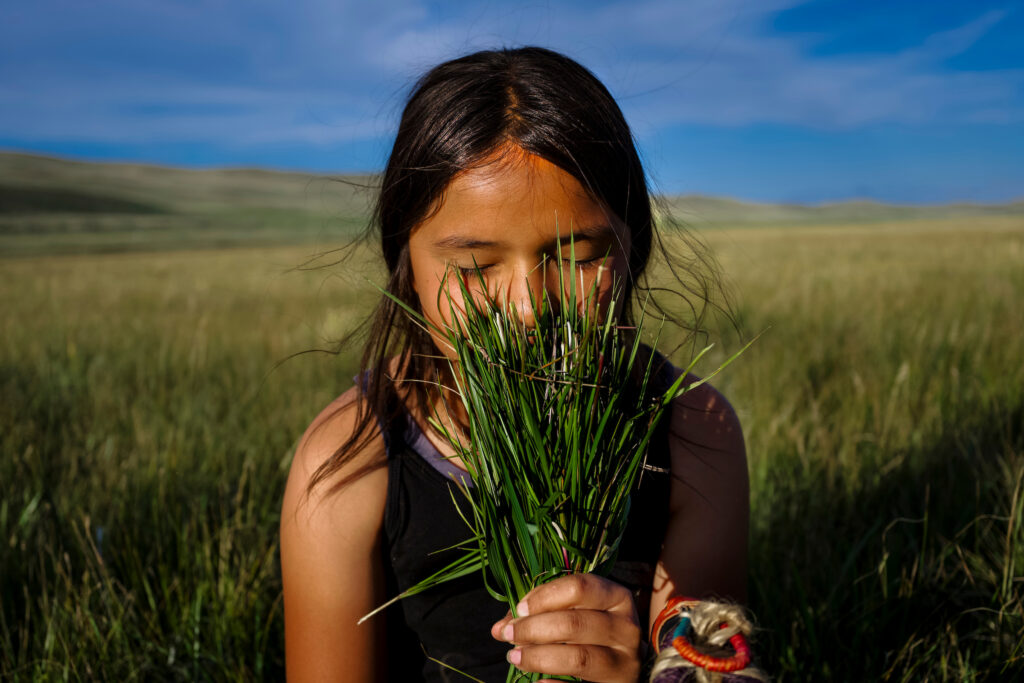
A young Blackfeet girl smells freshly harvested sweetgrass, connecting with a plant now under threat from drought and overgrazing.
To learn more about Vital Impacts Fellowships and Mentorships and view the full list of recipients, visit VitalImpacts.org.
How to Help
Vital Impacts, a Make It Better Foundation 2026 Philanthropy Award winner, is a women-led 501(c)(3) non-profit that harnesses the power of art and storytelling to support community-based conservation efforts and elevate visual journalists who are dedicated to sharing impactful environmental narratives. Donations to Vital Impacts support grassroots organizations working to protect endangered habitats and the storytellers who amplify these critical stories.


Jane Bodmer is the digital marketing manager at Make It Better Foundation. She has built her career around leveraging storytelling to drive social change, covering community and gender-based violence, refugee and immigration reform, and mental health for organizations like Heartland Alliance, READI Chicago, and Depression and Bipolar Support Alliance. Her favorite nonprofits to support are Open Books, Openlands, and PAWS Chicago.