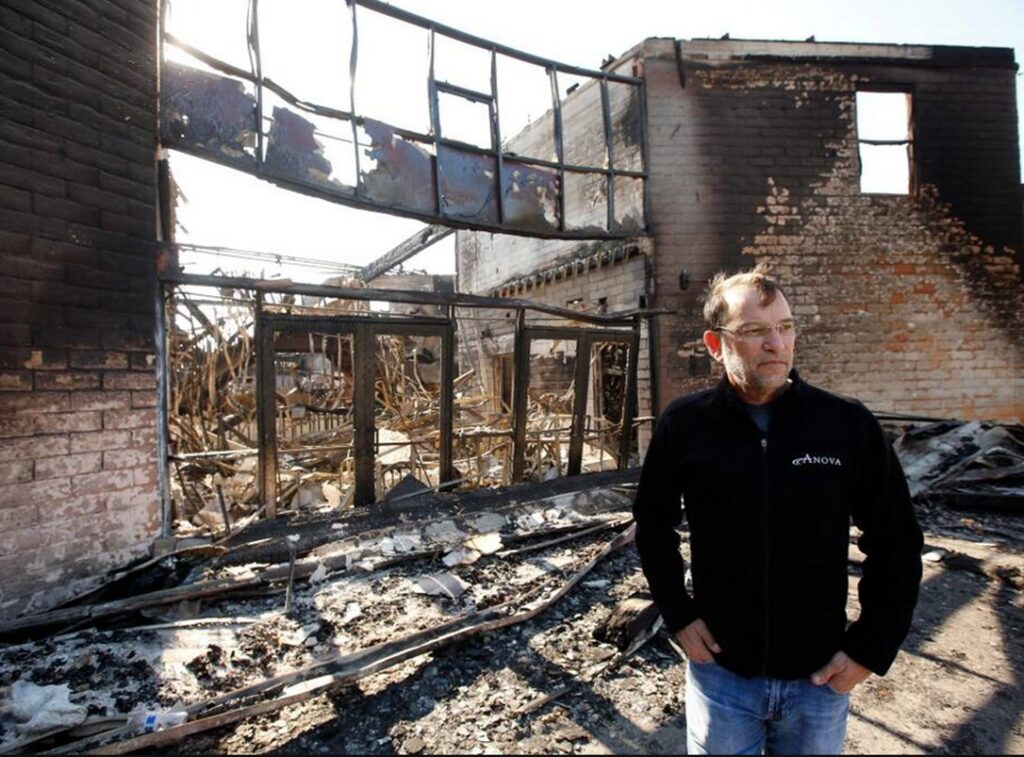
In the early hours of October 9, 2017, the Tubbs Fire swept through Sonoma County and destroyed the Anova school, a place that had been a lifeline for its community.
For Anova’s students — children on the autism spectrum and with other neurodevelopmental differences — the loss meant the sudden absence of routine, stability, and safety — the foundations that help them regulate, learn, and thrive. Nine Anova families lost their homes that night. The devastation was profound, but so was the resolve that followed.
Before the smoke had cleared, teachers, families, and community partners came together with a single purpose: to rebuild. Within three weeks, Anova reopened in a temporary space, supported by volunteers and strangers moved by their story. The classrooms were borrowed and the resources limited, but the commitment to students never wavered. Each day helped restore the sense of belonging the students relied on.
In January 2025, after more than seven years of perseverance, Anova opened the doors to a new permanent campus in Santa Rosa. Founder and CEO Andrew Bailey described the moment as one of “triumph, healing, and renewal,” a milestone not only for the school but for every family who had walked the journey alongside them.
Research shows that students on the autism spectrum benefit most from sensory-safe, structured, and individualized learning environments. The Centers for Disease Control and Prevention (CDC) reports that approximately 1 in 36 children in the United States is diagnosed with autism. Studies from the National Autism Center and Autism Speaks highlight that sensory overload, inconsistent routines, and limited access to specialized services remain among the greatest barriers to learning and emotional regulation.
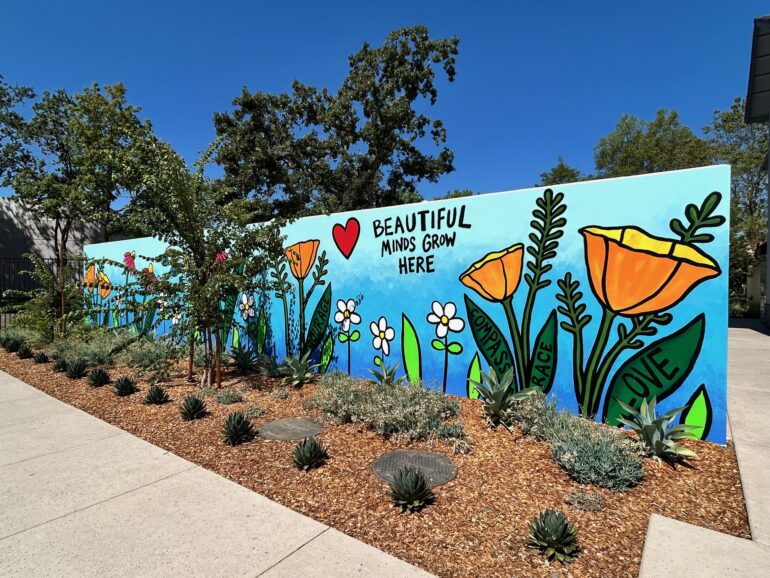
Anova’s rebuilt campus brings these principles to life. The school’s nationally recognized, award-winning model is reflected in every detail: sensory-safe classrooms, a fully equipped occupational therapy suite, dedicated speech-language and counseling rooms, a family resource center, and outdoor sensory learning spaces. Even the fire-resistant, trauma-informed design reflects a deep commitment to safety and healing.
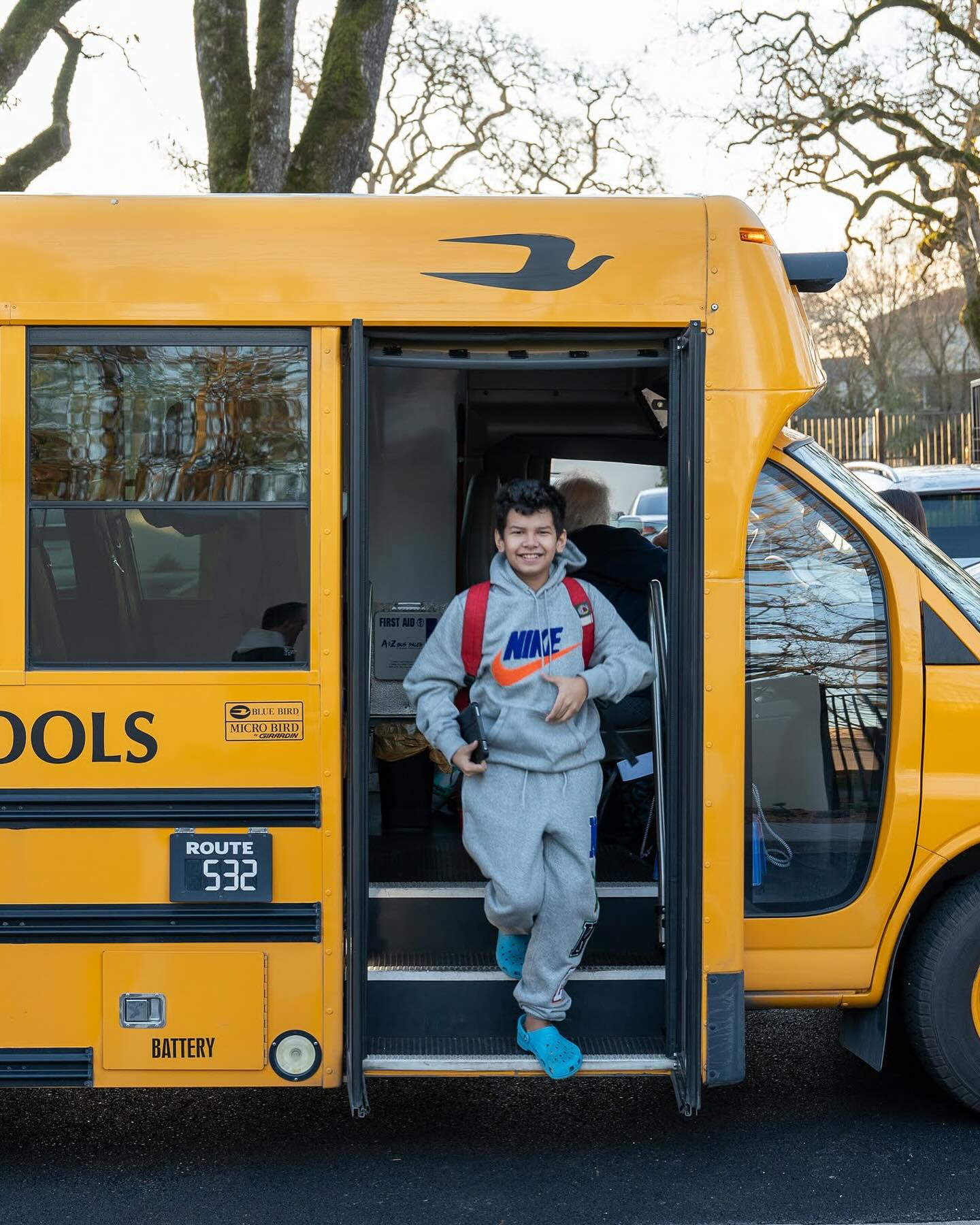
Today, more than 150 students pass through Anova’s doors each year, supported by teachers, therapists, and families who believe in their limitless potential. The Tubbs Fire could have ended Anova’s story, but it instead offered the community a new beginning.
Anova’s story serves as a reminder of the importance of inclusive education, sensory-friendly community spaces, and accessible mental health and therapy services for neurodivergent individuals by advocating for inclusive education, sensory-friendly community spaces, and accessible mental health and therapy services in your own community. Learn more from trusted, research-based sources such as the Autism Society of America, the National Autism Center, the Neurodiversity Podcast, and neurodivergent leaders, including Temple Grandin, Ph.D..
How to Help
Anova is a leader in education, especially within the Autism Community, serving more than 200 students daily across 15 counties throughout Northern California. Donations help Anova to continue its core practice of providing students with comprehensive and supportive learning environments that combine highly individualized academic, social, and communication-based programs.

This post was submitted as part of our “You Said It” program.” Your voice, ideas, and engagement are important to help us accomplish our mission. We encourage you to share your ideas and efforts to make the world a better place by submitting a “You Said It,” which can earn a nonprofit that you champion a $1,000 donation from the Make It Better Foundation and eligibility for a Philanthropy Award, grant content partnership, and greater engagement with our audience.
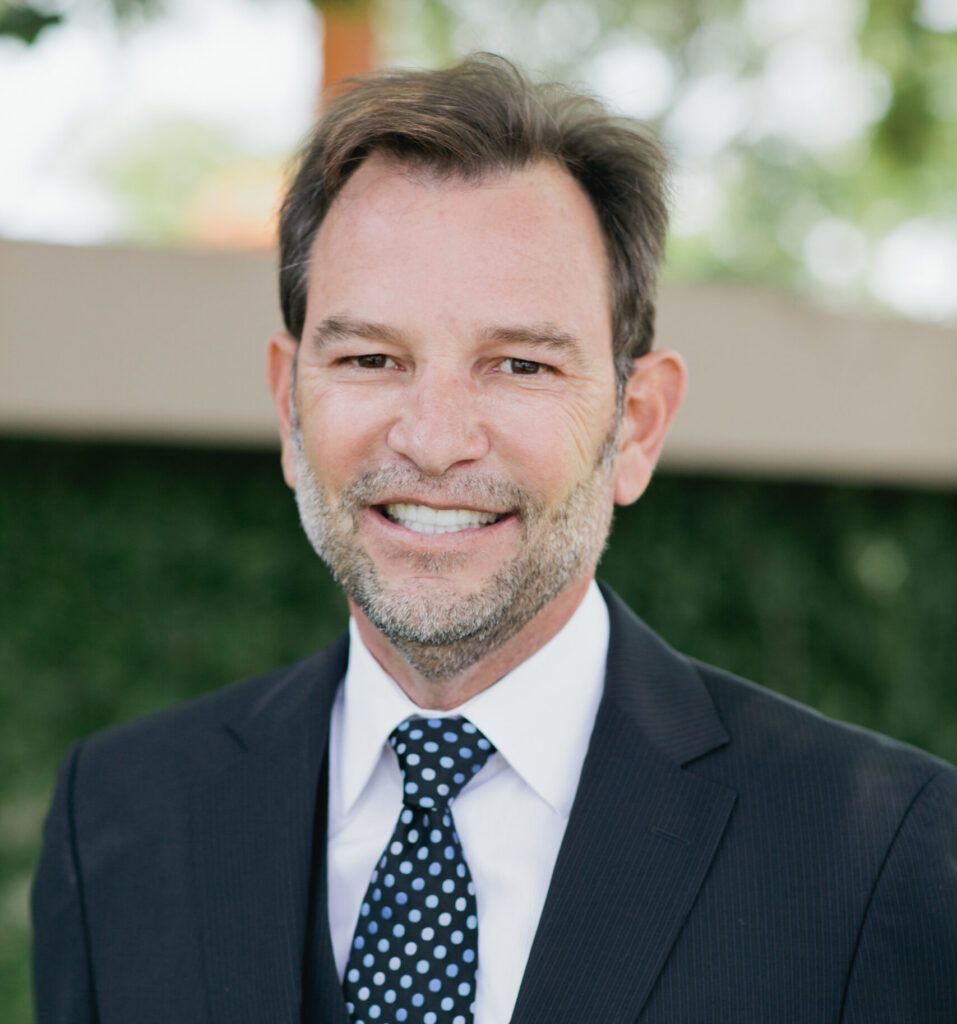
Andrew Bailey is the founding director and chief executive officer of Anova and the creator of the Multidisciplinary Treatment of Neurodevelopmental Impairments and ACE School models, which he has pioneered for more than 25 years and used to educate and support hundreds of students and families since 2003. A veteran clinician and licensed marriage and family therapist for nearly 35 years, he holds degrees in psychology and clinical psychology and has provided treatment and consultation to thousands of children and families on the autism spectrum. He is also a respected public policy leader and advocate, serving as chair of the California Senate Select Committee on Autism’s North Bay Regional Task Force and delivering hundreds of trainings and lectures on autism, behavior analysis, and early intervention.
More from Better
- Pasadena Humane Rescued Hundreds of Wildfire-Displaced Animals — Here’s How Pet Owners Can Prepare for the Next Emergency
- More Adults Are Being Diagnosed With Autism — Here’s Why the Right Therapy Approach Matters
- How Chicago-Area Nonprofit Have Dreams Is Helping People with Autism Find Jobs and Live Independent Lives