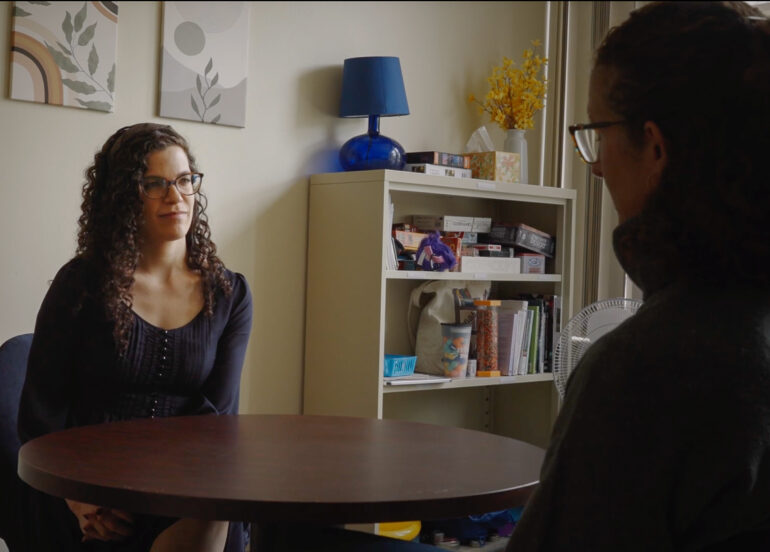
“I felt misunderstood for so much of my life,” says Monique*, reflecting on years of therapy before receiving an autism diagnosis as an adult. She was labeled lazy by teachers, and what seemed easy for peers felt difficult for her. Monique felt she had to mask her differences to fit in. It was exhausting.
Autism is a neurodevelopmental condition that can impact sensory and cognitive processing, communication, and motor planning across the lifespan. Across the U.S., a growing number of adults are being diagnosed later in life, reshaping how therapy is approached.
At Have Dreams, a Chicago-area autism nonprofit, therapists frequently support clients like Monique who are diagnosed later in life. Many seek a therapist with autism expertise and a respect for neurodivergence. For Monique, this affirming approach has been transformative. “Lightbulbs started to go off,” she says. “Our sessions help me understand my autism and how it shapes my experiences.”
Autism Impacts How Clients Engage in Therapy
For late-diagnosed individuals like Monique who grew up when less was known about autism, particularly regarding how it manifests in girls, women, and non-binary individuals, therapy often involves unpacking years of trauma. The focus is on building self-awareness and reframing harmful childhood narratives about sensory needs or social communication differences as natural aspects of a neurodivergent brain.
“Every day we work to address internalized ableism and stigma around disability and mental illness that can prevent clients from finding supportive mental healthcare,” explains Dana Fenceroy, Have Dreams COO and therapist.
Sessions may also explore topics such as whether and how clients want to disclose their diagnosis and identifying accommodations for school or work. Therapists might discuss strategies for mitigating autistic burnout, tools to strengthen executive functioning, or allow space for processing the social and sensory demands of an unpredictable world.
Late-diagnosed adults aren’t the only people seeking this kind of support. Autism-specific therapy can support individuals across the lifespan and assist family members and partners in better understanding their autistic loved one. At Have Dreams, services are available for individuals ages 10 and older, and the organization also offers a free monthly virtual support group for parents and caregivers.
Neuro-Affirming Care
Working with a therapist who has autism-specific training allows for appropriate therapeutic intervention. For example, social and sensory demands can sometimes lead to autistic burnout, an experience of chronic exhaustion, skill regression, and reduced tolerance to stimuli. Aspects of autistic burnout can resemble depressive symptoms. Without autism-specific training, clinicians may misinterpret signs of burnout and respond in ways that don’t fully address a client’s needs. These misinterpretations can lead to frustration, stalled progress, and clients disengaging from support services altogether.
Identifying and Responding to Unmet Needs
With autism now estimated to impact 1 in 31 children and 55-70 percent of autistic adults experiencing a co-occurring mental health condition, the demand for autism-specific services is growing. Programs designed to meet these needs provide affirming support in social skill development, preparation for entering the workforce, building life skills, and assisting families in advocating for in-school supports. At Have Dreams, these offerings take shape through after-school programming, adult services, and professional training initiatives.
Many autism-focused organizations center their work on respect for autistic culture and lived experience. One-third of Have Dreams staff identify as neurodivergent, and more than half have a neurodivergent family member or partner. That combination of professional expertise and lived experience can help bridge gaps and reduce the kind of misunderstanding Monique described feeling for so many years.
Ultimately, programs like these are designed to help autistic individuals build skills to feel more regulated in an ever-changing world, while also helping others better understand autism and create more inclusive environments.
Monique says, “I can be kinder to myself now. I finally feel like I know who I am and can think realistically about my future. I’m learning how to be ok being me.”
*A pseudonym has been used and identifying characteristics have been changed to protect “Monique’s” privacy.
How to Help
Founded in 1996, Have Dreams’ mission is to help autistic individuals learn, socialize, and function independently. Learn more and donate in honor of Have Dreams’ 30th anniversary.

This post was submitted as part of our “You Said It” program.” Your voice, ideas, and engagement are important to help us accomplish our mission. We encourage you to share your ideas and efforts to make the world a better place by submitting a “You Said It,” which can earn a nonprofit that you champion a $1,000 donation from the Make It Better Foundation and eligibility for a Philanthropy Award, grant content partnership, and greater engagement with our audience.

Lora Slutsky is dedicated to supporting autistic individuals in developing self-advocacy, employment, and independent living skills. As a member of the Have Dreams leadership team, she provides clinical supervision, training, and therapy, while overseeing Counseling & Employment Services operations, including intakes, hiring, and program expansions. She holds a BA from Brandeis University and an MS in Rehabilitation and Mental Health Counseling from Illinois Institute of Technology.