
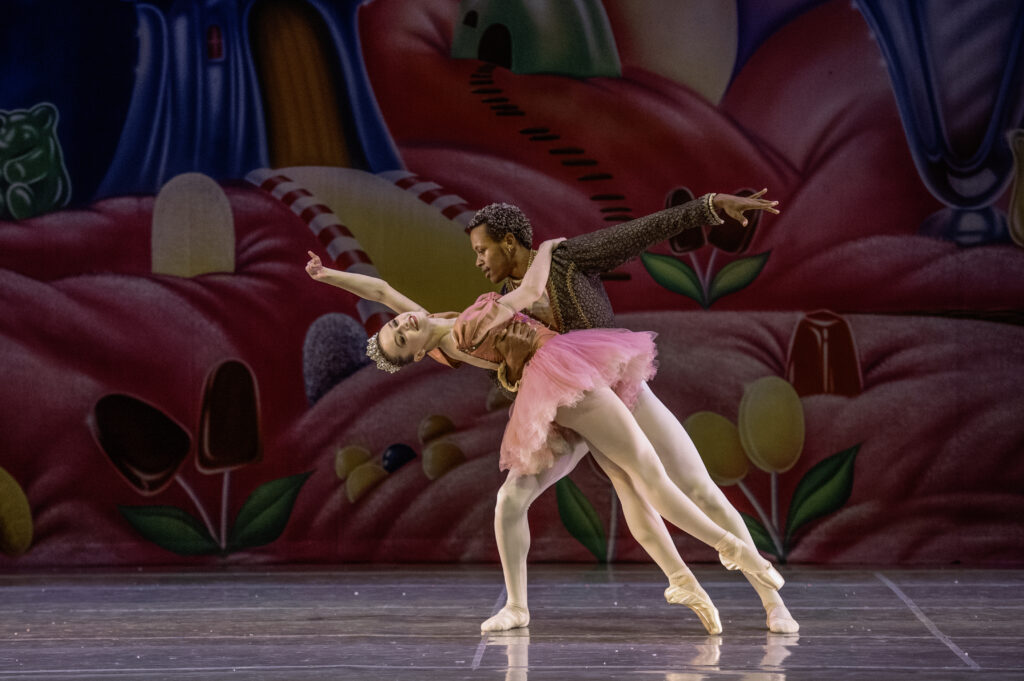
The welcome at Ballet Chicago‘s sensory-friendly performance of The Nutcracker begins before the curtain rises. A visual schedule helps families know what to expect. House lights remain partially illuminated, Tchaikovsky’s score is played at a lower volume, a quiet room is available for those who need it, and audience members are free to move around without fear of disrupting the performance.
For many families, these accommodations make something possible that once felt out of reach: watching a live ballet without worrying they might have to leave before intermission.
That experience reflects the goal of Ballet Chicago’s Open Doors Initiative, which works to make performances and arts experiences accessible to more children and families.
Benefits of Accessible Art and Entertainment
Across the country, cultural institutions are redefining accessibility. Museums, performing arts organizations, and sports venues increasingly recognize that barriers extend far beyond physical accommodations. Financial hardship, chronic illness, disability, transportation, and military service can all prevent families from participating in cultural life. Rather than asking audiences to adapt, organizations are redesigning experiences to better welcome their communities.
The need for more accessibility is significant. According to the Centers for Disease Control and Prevention, about 1 in 31 (3.2%) children aged 8 years has been identified with autism spectrum disorder, while the U.S. Census Bureau reports that more than 44 million Americans live with a disability.
Research shows that removing barriers benefits not only individuals but entire communities. The National Endowment for the Arts finds that arts participation strengthens social connection and well-being, and studies conducted by the National Institutes of Health demonstrate that engagement with the arts can reduce stress and improve emotional health. A landmark study by the World Health Organization found broad evidence for the role of the arts in supporting health, preventing illness, and complementing treatment and care throughout life.
Ballet Chicago has witnessed those benefits firsthand through partnerships with organizations such as Bounce Children’s Foundation, which serves families raising children with chronic illnesses.
After attending the company’s recent sensory-friendly The Nutcracker, Bounce parents described the performance as much more than an afternoon at the theater. It offered a respite from hospital visits and treatments, an opportunity to connect with other families, and the chance to create joyful memories. Every participating family reported that the experience strengthened their resilience and ability to cope.
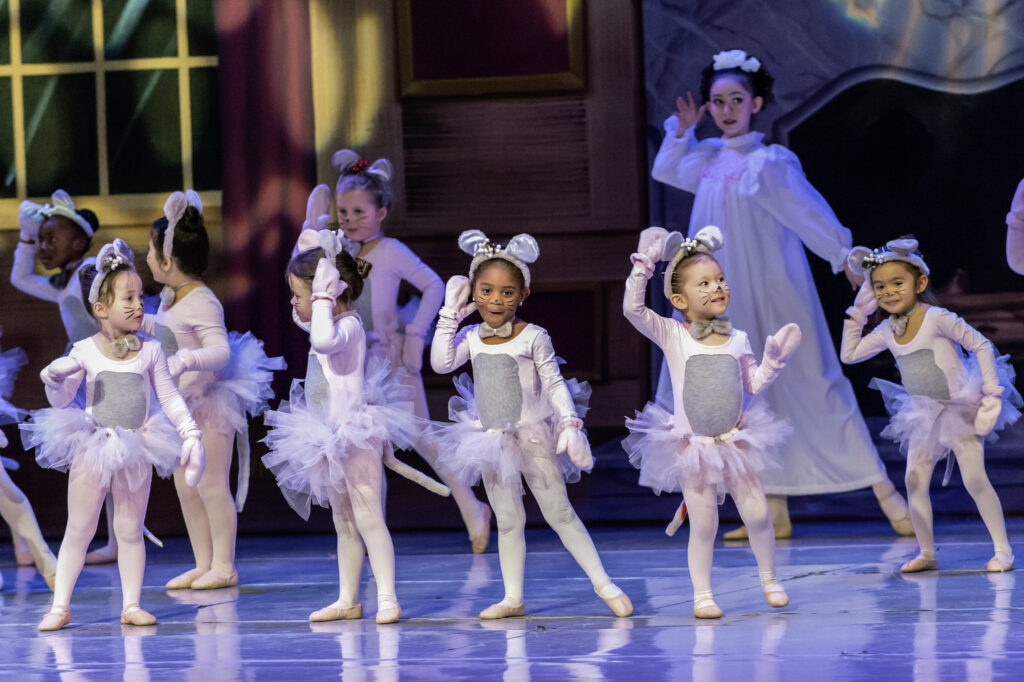
The sensory-friendly Nutcracker is one part of Ballet Chicago’s broader Open Doors Initiative, which also includes the Gift of Dance ticket program and partnerships that expand access for individuals with disabilities and children facing medical or financial challenges.
Accessibility is about more than removing barriers. It is about creating a sense of belonging. By opening its doors to more children and families, Ballet Chicago is working to ensure that the joy, beauty, and connection found in the performing arts are experiences everyone can share.
This post was submitted as part of our “You Said It” program. Your voice, ideas, and engagement are important to help us accomplish our mission. We encourage you to share your ideas and efforts to make the world a better place by submitting a “You Said It,” which can earn a nonprofit that you champion a $1,000 donation from the Make It Better Foundation and eligibility for a Philanthropy Award, grant content partnership, and greater engagement with our audience.
How to Help
Ballet Chicago’s Open Doors Initiative expands access to the performing arts for children and families facing barriers such as disability, chronic illness, financial hardship, or military service. You can help make these experiences possible by attending a performance or making a donation, supporting sensory-friendly performances, the Gift of Dance ticket program, and other initiatives that ensure every family can experience the joy and belonging of live dance.

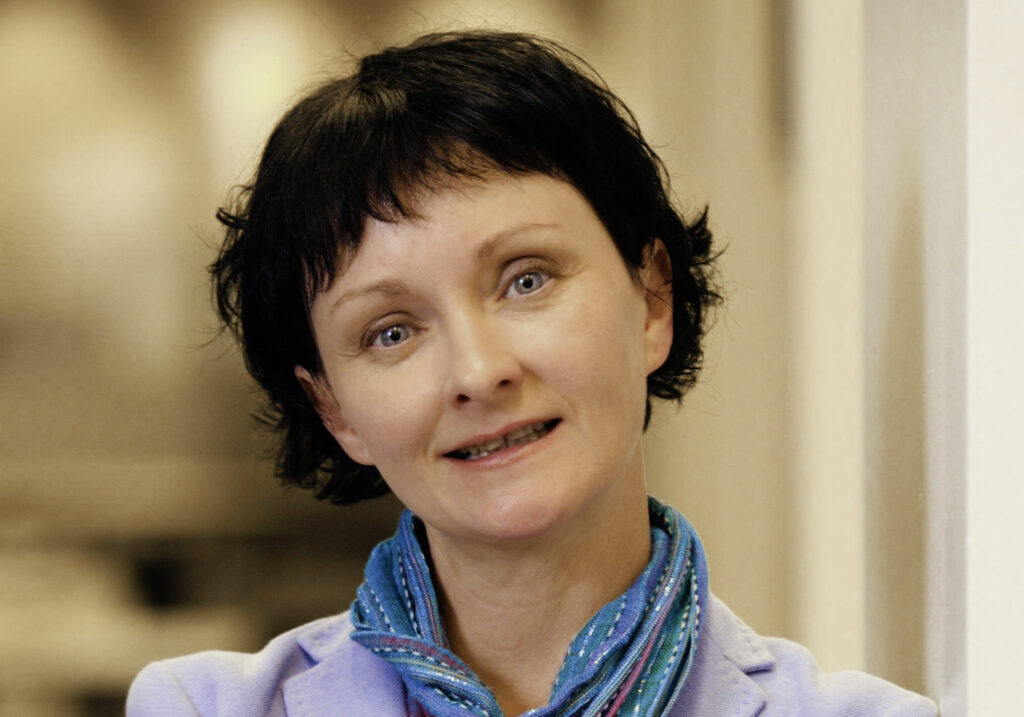
Sharyn Pulling is the General Manager of Ballet Chicago, where she oversees the organization’s administration, strategic initiatives, and institutional partnerships. In addition to her leadership in arts administration, Dr. Pulling has more than 20 years of experience in higher education as an English instructor, specializing in 19th-century British literature, world literature, feminist theory, literary analysis, curriculum design, and academic writing.
More from Better
- From Chicago Public Schools to International Ballet Collaborations, How the Joffrey Ballet Built a Culture of Global Partnership
- Ballet 5:8’s BIOS Project Transforms Real Women’s Stories Into Powerful New Dance Works
- Fear of the Unknown Can Keep People From the Arts — This Dance Company Has a Solution