
After years of building a career in banking, Kherrington lost his job following health complications, turning his life upside down. Choosing to take control and see the layoff as a new beginning, he moved to Chicago with a friend. But when that arrangement fell through, Kherrington found himself without housing, savings, or a support network.
Kherrington’s story is personal but reflects a growing national reality. With 57 percent of Americans living paycheck to paycheck, the reality for many is that one unexpected crisis can lead to homelessness.
Homelessness is Not About Poor Choices
Many people still assume homelessness is the result of poor choices. Today, it’s increasingly the result of an economy where housing costs have risen faster than wages. According to the National Low Income Housing Coalition, a full-time worker must earn at least $28.17 an hour to afford a modest one-bedroom apartment at fair market rent. In no state can someone earning minimum wage afford that apartment while working full time.
Beyond housing, everyday expenses such as groceries, healthcare, transportation and utilities continue to rise. Data from the U.S. Bureau of Labor Statistics shows that while the federal minimum wage has remained unchanged since 2009, financial stability has become increasingly fragile for millions of Americans.
Helping Communities Fight Homelessness
That reality is visible every day at Lincoln Park Community Services (LPCS). For more than 40 years, the Chicago nonprofit has helped individuals experiencing homelessness regain stability and secure housing. Nearly one in four guests staying in LPCS’s Interim Housing Program is employed. Others are searching for work after job loss or are older adults whose fixed income no longer covers today’s cost of living.
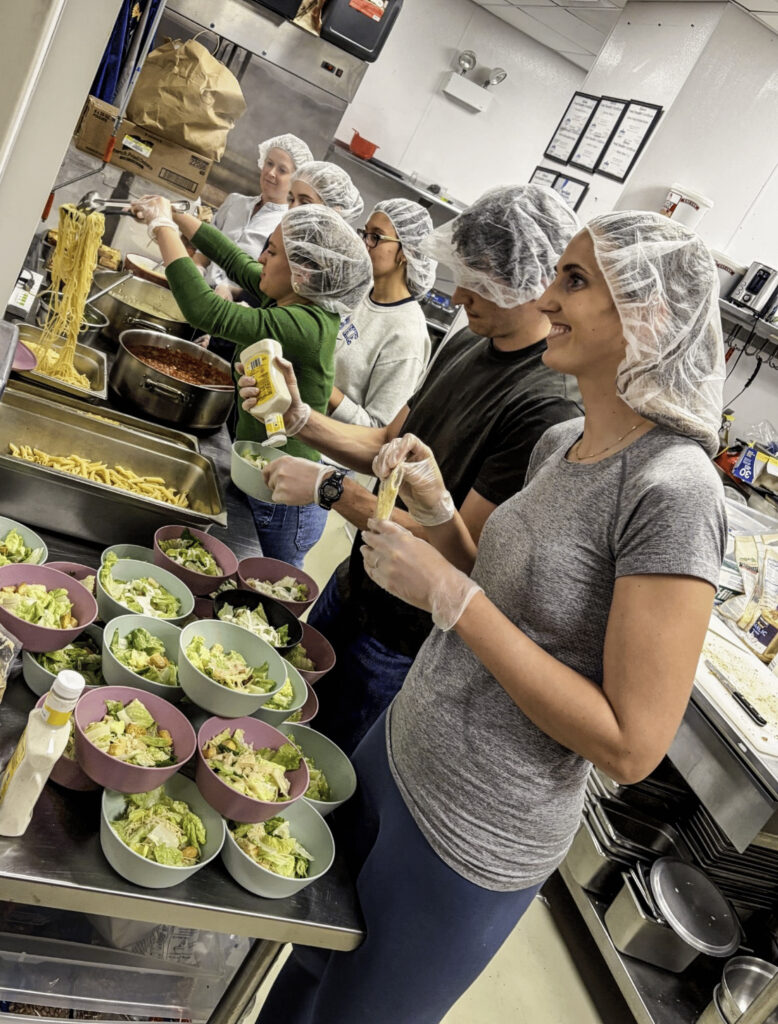
When Kherrington arrived at LPCS, he found more than shelter and meals. He received the stability and support needed to rebuild his life. Working closely with his case manager, he secured employment, rebuilt his savings, and ultimately returned to banking before transferring back to his home state.
While determination is essential, personal resilience alone cannot solve a systemic problem. The Center on Budget and Policy Priorities reports federal rental assistance reaches only a fraction of eligible households. At the same time, the U.S. Department of Housing and Urban Development continues to document a nationwide shortage of affordable housing.
Homelessness affects working adults, retirees, and families who simply cannot keep up with rising costs. Communities are defined by how they respond when neighbors face difficult moments, and supporting organizations like LPCS is one way to support those neighbors in need.
This post was submitted as part of our “You Said It” program. Your voice, ideas, and engagement are important to help us accomplish our mission. We encourage you to share your ideas and efforts to make the world a better place by submitting a “You Said It,” which can earn a nonprofit that you champion a $1,000 donation from the Make It Better Foundation and eligibility for a Philanthropy Award, grant content partnership, and greater engagement with our audience.
How to Help
For more than four decades, LPCS has helped people experiencing or at risk of homelessness move toward permanent housing and lasting stability. Each year, the organization serves more than 400 individuals through its shelter programs and provides thousands of supportive services that help people regain independence.
Donations make those life-changing opportunities possible. By donating, volunteering, or getting involved with LPCS, you are investing in stronger individuals, healthier neighborhoods, and a community where everyone has the opportunity to move forward.

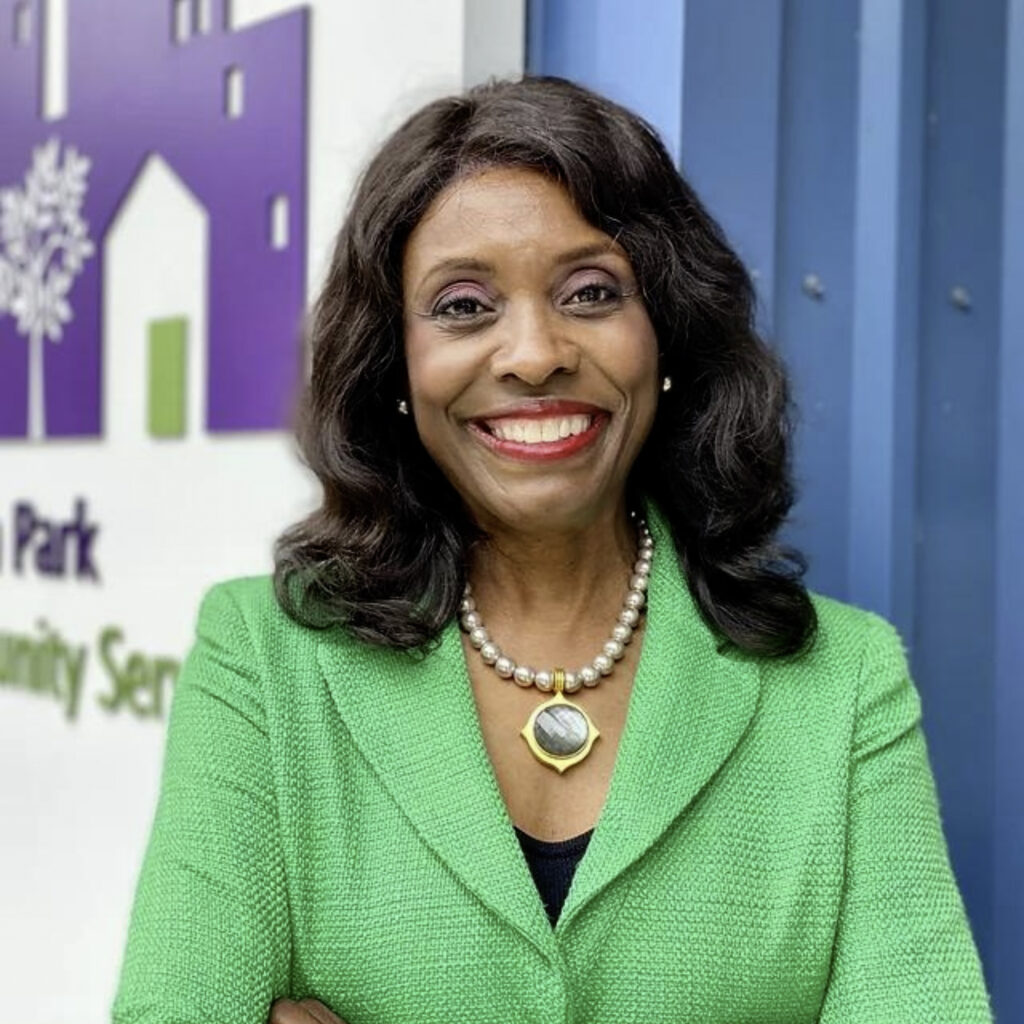
Cheryl Hamilton-Hill is the CEO of Lincoln Park Community Services (LPCS) and has spent more than 30 years working in community-focused executive leadership roles across the nonprofit, government, and private sectors, with experience spanning advocacy, strategy, and organizational development at local, national, and international levels. Throughout her career, Hamilton-Hill has supported efforts that have helped raise more than $1 billion for mission-driven organizations and community programs, including more than $128 million through her volunteer and civic engagement initiatives.
More from Better
- New Documentary Exposes Alarming Link Between Undiagnosed Brain Injuries and Domestic Violence, Homelessness, Suicide and Prison
- Hundreds Unite in Humboldt Park for Chicago’s First Winter Walk to Combat Homelessness
- From Shelter to Stability: How Individualized Care Is Changing the Fight Against Homelessness