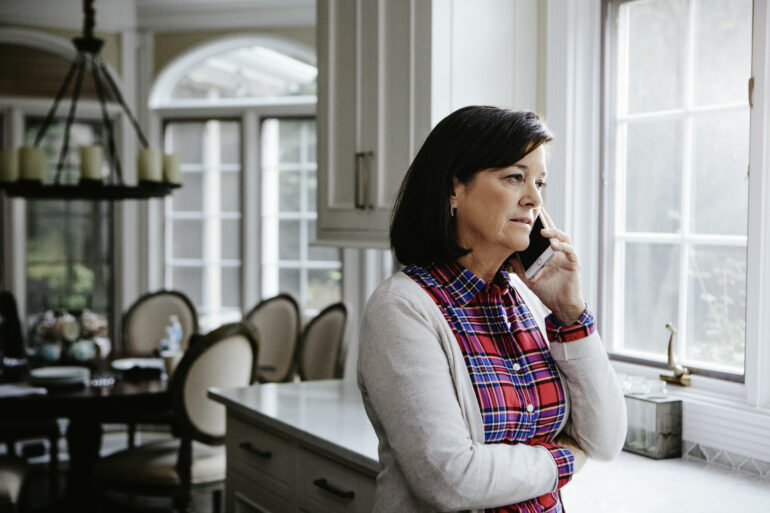
The caregiver list was already out of date the day Ronna Larsen got it.
A caseworker had handed her a photocopied sheet of local caregivers, and one by one, the numbers on it led nowhere: offices that had closed, agencies no longer taking clients. Larsen’s mother had just been diagnosed with Alzheimer’s disease, and Larsen, along with her father, had suddenly become her caregivers.
“All the doctors would tell us is it will get worse,” Larsen says of those first, disorienting weeks. “I felt hopeless and didn’t know where to turn.”
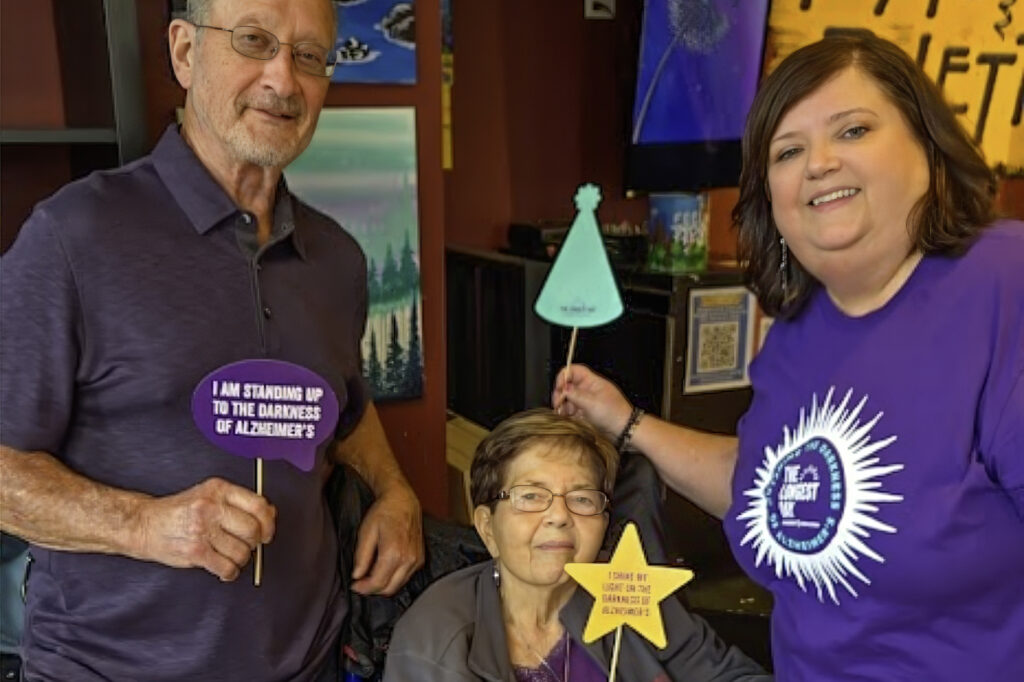
Larsen’s family, of Wood Dale, Illinois, is one of more than 13 million Americans across the country now providing unpaid care for a loved one with Alzheimer’s or another dementia. Families provided an estimated 19.6 billion hours of care in 2025, according to the Alzheimer’s Association’s 2026 Alzheimer’s Disease Facts and Figures report. More than 7 million Americans are currently living with Alzheimer’s, a number projected to keep climbing as the population ages.
What eventually broke through the isolation for Larsen was a phone call to the Alzheimer’s Association’s 24/7 Helpline at 800-272-3900, a free, confidential line staffed by dementia specialists in more than 200 languages.
“It compelled me to dive in and find anyone at all that could help,” Larsen says. “My first positive call was with the Alzheimer’s Association.”
Care for Caregivers
The Alzheimer’s Association, a 2026 Make It Better Philanthropy Winner, not only helped Larsen find care for her mother, but also for herself. She found support groups, both online and in person, and a clearer sense of what to do next, for herself and her father, too.
Peer support and self-care for caregivers matter. Caring for a loved one is a physically, mentally, and emotionally demanding job, and it’s easy to neglect one’s own needs when caring for another. Research from the National Institute on Aging points to caregiver self-care and community connection as key factors against the burnout so common in dementia caregiving.
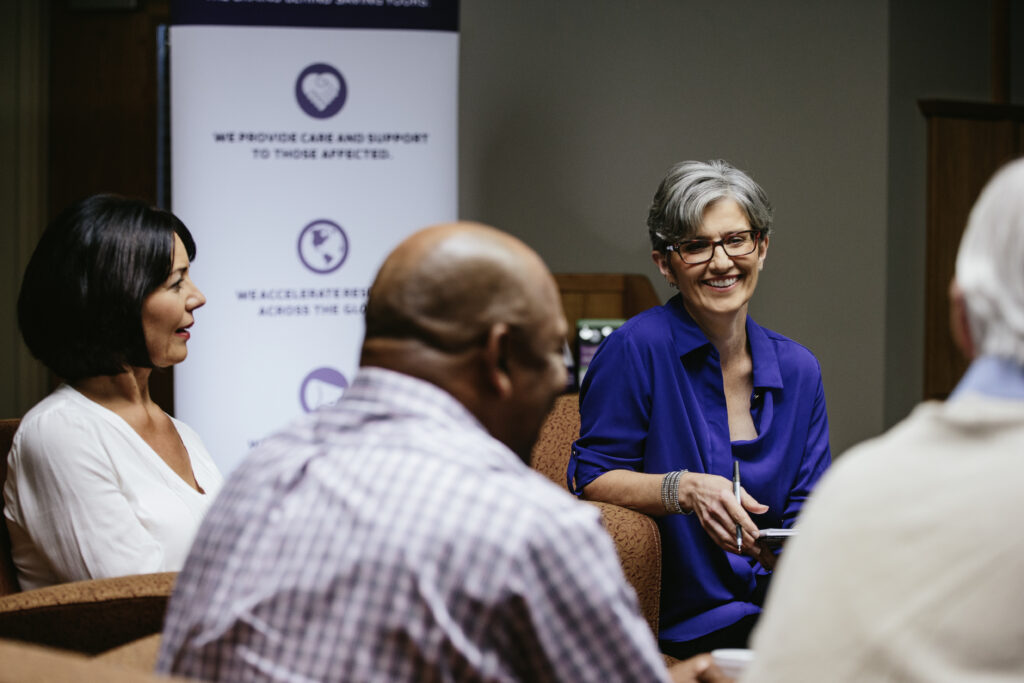
Today, Larsen’s mother lives at home with her husband, next door to Larsen, with the help of a caregiver and a respite program that gives the family room to breathe. Larsen, once a caller in crisis, is now an Alzheimer’s Association ambassador and volunteer.
Her hope is a simple one: that other families find their way to help faster than she did. “No one should have to feel as helpless, overwhelmed, or alone as I once did,” Larsen says.
For the millions of Americans providing this kind of care largely out of public view, resources like the Helpline, local support groups, and respite care are not small conveniences. They are often the difference between crisis and coping.
This post was submitted as part of our “You Said It” program. Your voice, ideas, and engagement are important to help us accomplish our mission. We encourage you to share your ideas and efforts to make the world a better place by submitting a “You Said It,” which can earn a nonprofit that you champion a $1,000 donation from the Make It Better Foundation and eligibility for a Philanthropy Award, grant content partnership, and greater engagement with our audience.
How to Help
Donations to the Alzheimer’s Association Illinois Chapter can help provide care and support to the millions facing the challenges of Alzheimer’s. Donations also support advanced global research. The Alzheimer’s Association Illinois Chapter is a 2026 Philanthropy Winner.

Matt Eaton is the Territory Marketing and Communications Director for the Alzheimer’s Association Midwest & Central Plains Territory. In this role, he leads media relations and communications strategy to advance the Association’s mission of accelerating research, driving risk reduction and early detection, and maximizing quality care and support for the millions of families affected by Alzheimer’s and other dementia.
More on Alzheimer’s Disease Research, Treatment, and Prevention
- How Rita Hayworth’s Alzheimer’s Battle Inspired Daughter Princess Yasmin Aga Khan’s Lifelong Advocacy
- 10 Encouraging Insights into the Future of Alzheimer’s Research, Detection, and Treatment
- ‘Alzheimer’s Changes Everything’: How Personal Battles Are Fueling the Fight to End the Disease
- When Alzheimer’s Risk Is Written in Our Genes, And How It Might Be Rewritten as Resilience