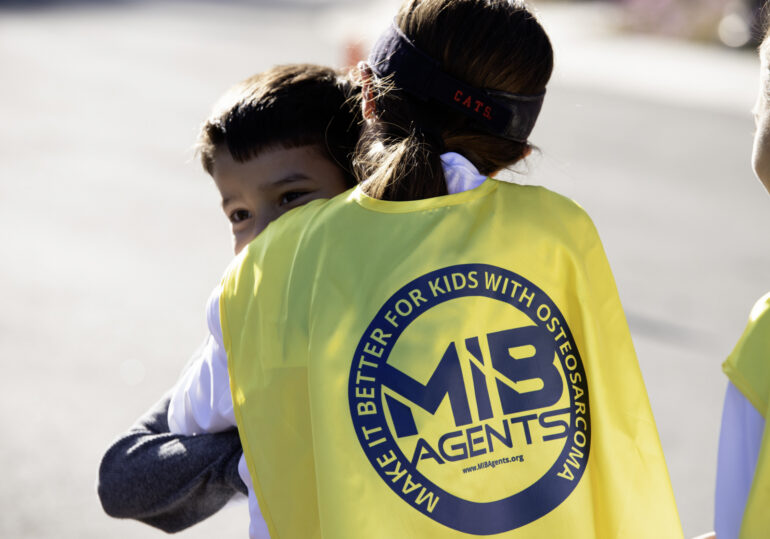
A child should worry about making the soccer team, learning to drive, or what to wear to prom.
Not whether they’ll lose a leg or whether the chemotherapy that’s about to begin is largely the same treatment doctors have relied on for decades.
Yet for hundreds of children and teenagers diagnosed with osteosarcoma each year in the United States, that is their reality. The disease is the most common primary bone cancer in children and adolescents, striking during the years when children and teens should be focused on their firsts, not hospital visits.
A Stall In Osteosarcoma Treatment Advances
While treatments for many childhood cancers have drastically advanced throughout the past several decades, progress against osteosarcoma has been far slower, especially for children whose cancer returns or spreads.
Current treatment approaches include aggressive chemotherapy, surgery, and radiation therapy. Many children and teens who undergo these treatments experience side effects and long-term complications, such as limb amputation or impaired growth.
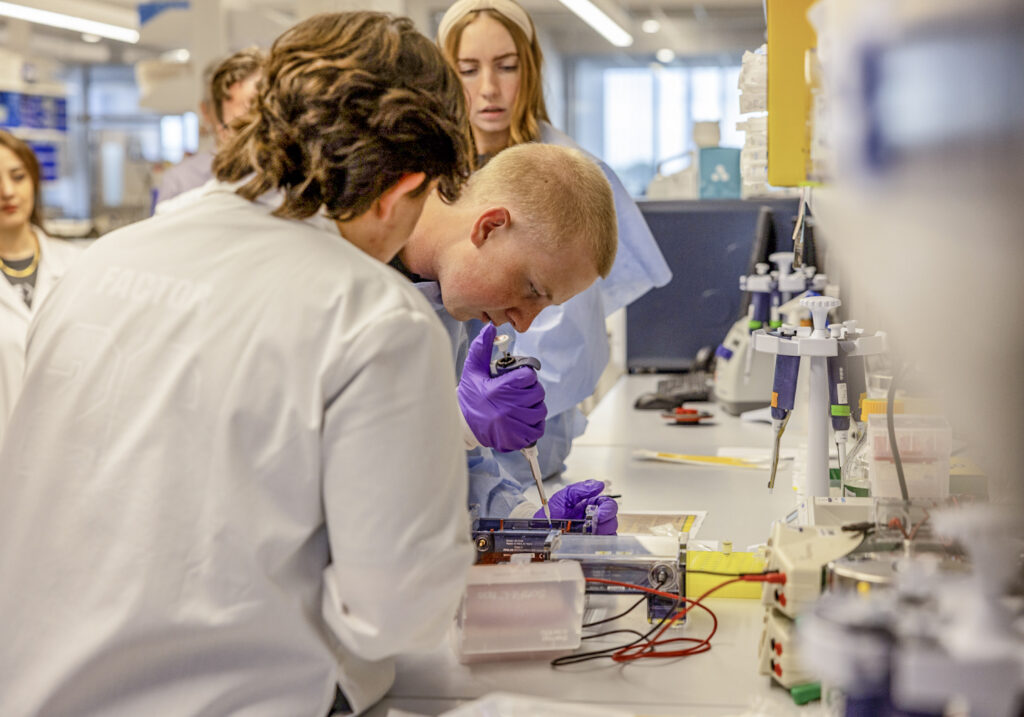
Not only are the advances in treatment limited, but the prognosis of osteosarcoma patients is also largely unchanged since the 1980s. The five-year survival rate for localized osteosarcoma is roughly 60 to 75 percent, while patients with distant metastatic disease only see a 5 to 30 percent rate.
For families, the diagnosis is more than a medical emergency. It is an abrupt loss of normalcy. School becomes optional. Sports disappear. Family calendars revolve around chemotherapy, surgeries, scans, and long drives to and from treatments. Parents become medical experts overnight. Siblings learn that childhood can change in a single conversation.
Fighting for Children
When Ann Graham was treated for osteosarcoma at the rare age of 43, she experienced this reality from an unexpected place: a pediatric cancer hospital. Surrounded by children facing the same disease with extraordinary courage, Graham made a promise that if she survived, she would dedicate her life to making it better for the kids who came after her.
That promise became MIB Agents, a nonprofit supporting children and young adults with osteosarcoma through partnerships, education, and research.
The organization doesn’t simply invest dollars in research. It has challenged the idea that scientific progress belongs only to scientists.
At MIB’s annual FACTOR conference, children, survivors, parents, physicians, researchers, and industry leaders gather to tackle one problem together. Families help evaluate research proposals. Young adults who once sat in infusion chairs now advocate on Capitol Hill for legislation that advances pediatric cancer research, such as the recently passed Mikaela Naylon Give Kids a Chance Act. Parents who have lost children establish research funds in their names, ensuring their child’s legacy lives on in the search for kinder, more effective treatments.
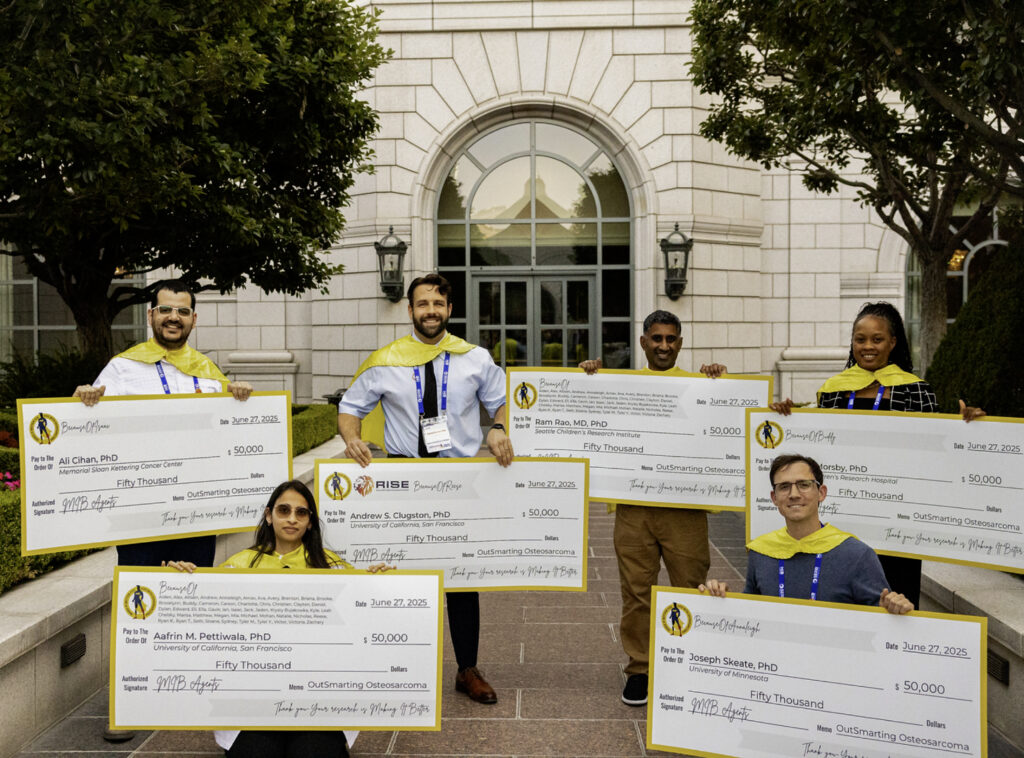
The results are tangible. Since launching its OutSmarting Osteosarcoma grant program, MIB Agents has awarded nearly $3 million to researchers, helping generate new clinical trials, peer-reviewed publications, and more than $28 million in follow-on research funding. More importantly, it has built something every rare disease desperately needs: a community where patients are no longer observers of research but partners in shaping it.
Children with osteosarcoma deserve more than yesterday’s treatments. They deserve the urgency, collaboration, and innovation that every child facing cancer deserves.
Because when the disease is rare, the community can no longer afford to work in silos. The future depends on everyone pulling up a chair to the same table.
This post was submitted as part of our “You Said It” program. Your voice, ideas, and engagement are important to help us accomplish our mission. We encourage you to share your ideas and efforts to make the world a better place by submitting a “You Said It,” which can earn a nonprofit that you champion a $1,000 donation from the Make It Better Foundation and eligibility for a Philanthropy Award, grant content partnership, and greater engagement with our audience.
How to Help
MIB Agents is a leading nonprofit helping to better the community of patients and families facing osteosarcoma. Donations help fund programs, education, and research for young adults and children with osteosarcoma.

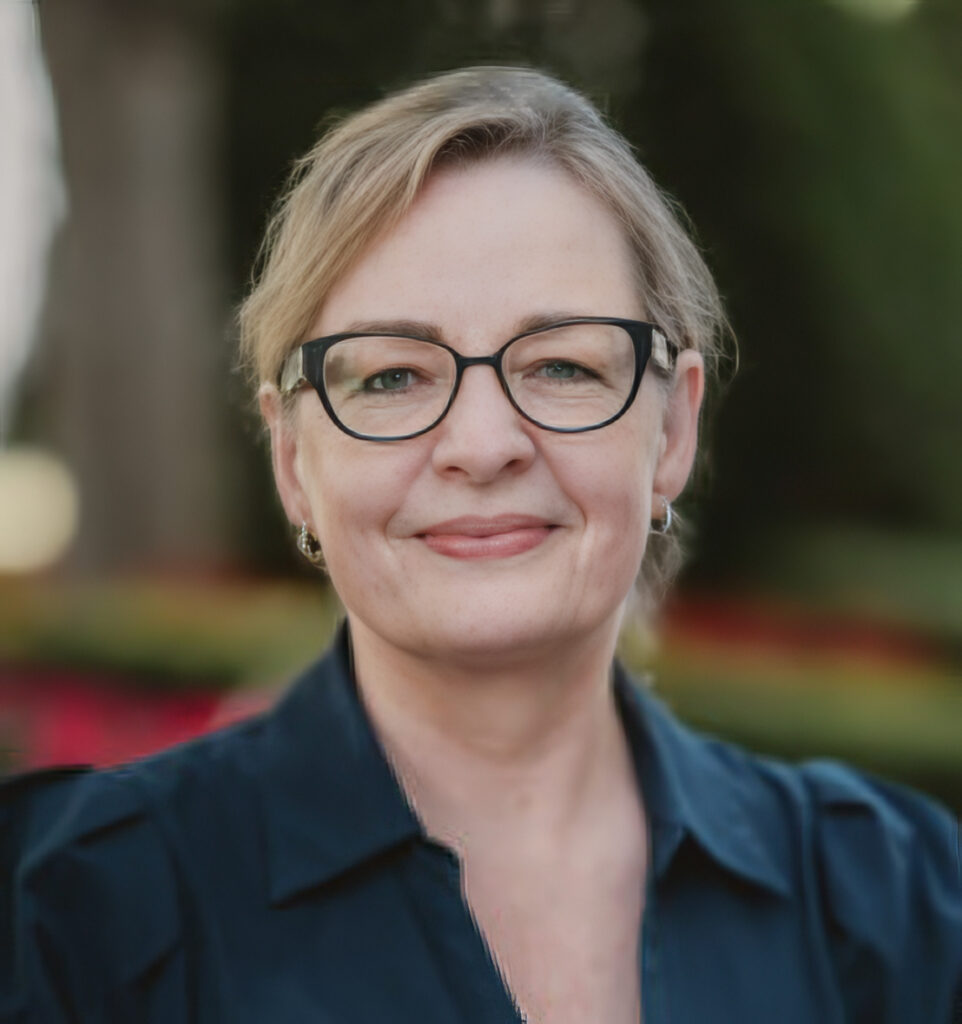
Ann Graham is the founder of MIB Agents, a leading nonprofit dedicated to improving outcomes for children and young adults affected by osteosarcoma through research, education, advocacy, and patient support. An osteosarcoma survivor herself, Graham works to unite patients, families, clinicians, researchers, and industry partners to accelerate the development of kinder, more effective treatments.