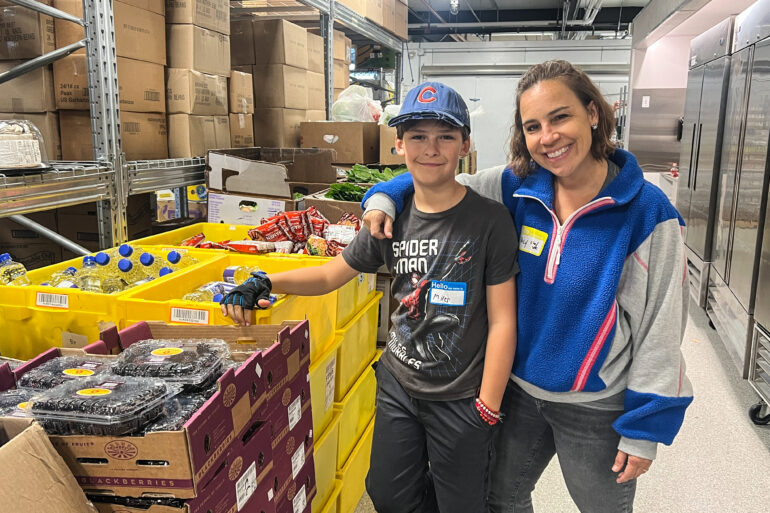
When the federal government shutdown delayed the disbursement of Supplemental Nutrition Assistance Program (SNAP) benefits in 2025, Callie was one of the millions of Americans who suddenly needed to turn to a local food pantry for help.
Delays and cuts to SNAP further destabilize the lives of neighbors experiencing food insecurity. Like many people who receive SNAP, Callie is low-income and has medical restrictions that make it difficult to work. She relied on the federal food assistance program to pay for groceries so she could use her limited income to cover expenses such as rent, bills, and food for her beloved cat.
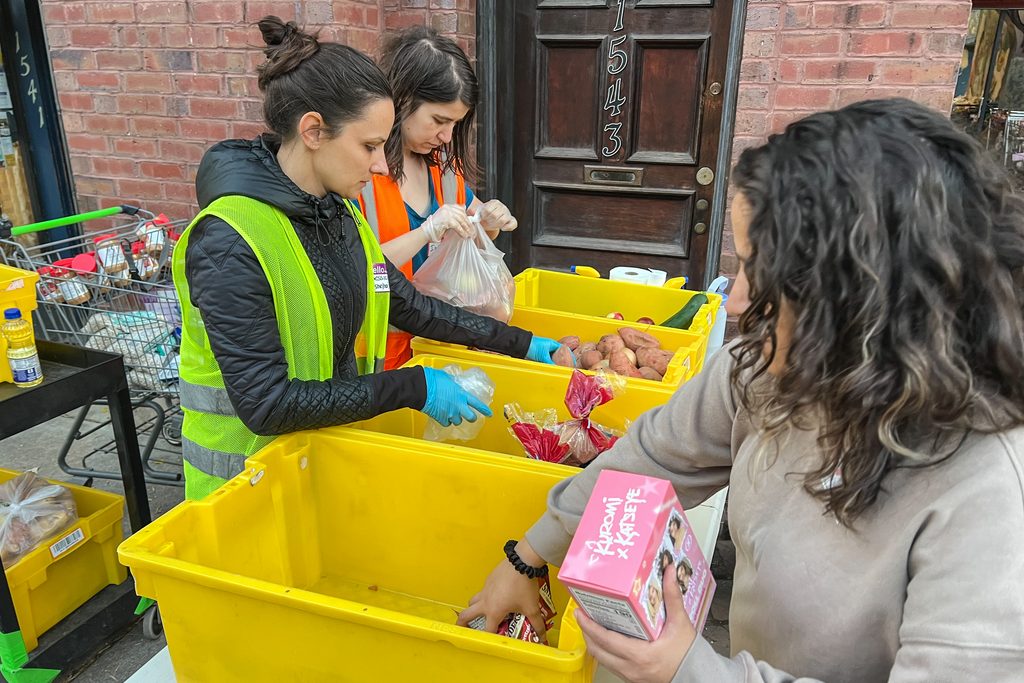
SNAP is the federal safety net program for more than 40 million Americans and is the single most effective defense against food insecurity in our communities. These public benefits provide access to healthy food people need to thrive, lessen the strain on household budgets, and reduce the need to choose between buying food or paying for rent, medical bills, or pet food.
In July 2025, the federal government passed HR 1, which made sweeping changes to SNAP, cutting $186 billion from the program throughout the next decade and imposing significant limits on who may receive benefits. Many recipients are now required to work or volunteer 80 hours per month to keep their benefits, including many older adults and those with disabilities. The bill also denies SNAP access to many people with lawful immigration status. These tighter work requirements put additional pressure on neighbors who are already struggling.
When people lose access to public food assistance at the federal level, community organizations like Care for Real, a Make It Better Foundation 2026 Philanthropy Award winner, feel the impact. The organization hears countless stories of people losing SNAP benefits and waiting on Social Security benefits before they have funds. Without nonprofits like Care for Real, these individuals wouldn’t have food at home. Unfortunately, these stories are becoming increasingly common as more people question where their next meal is coming from.
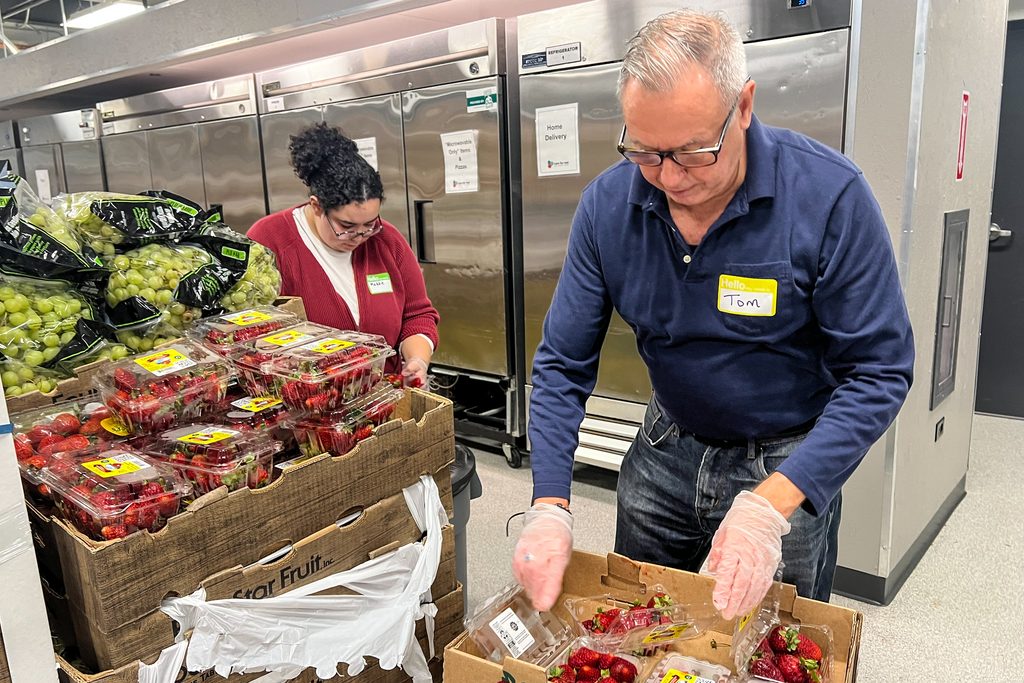
Since the beginning of 2026, Care for Real has welcomed nearly 1,200 new households seeking food assistance for the first time. Behind that number are families, seniors, and individuals like Callie facing unexpected hardships and difficult choices.
When Callie visited Care for Real, she found the support she needed when federal assistance fell through. “I went a whole year without knowing [Care for Real] existed,” says Callie. “Being hungry and desperate really affects your physical and mental existence. When you’re hungry, it affects your mind. [Care for Real has] been everything to me.”
This post was submitted as part of our “You Said It” program. Your voice, ideas, and engagement are important to help us accomplish our mission. We encourage you to share your ideas and efforts to make the world a better place by submitting a “You Said It,” which can earn a nonprofit that you champion a $1,000 donation from the Make It Better Foundation and eligibility for a Philanthropy Award, grant content partnership, and greater engagement with our audience.
How to Help
Care for Real is a nonprofit organization that’s served the north side of Chicago for more than 50 years. They partner with local businesses, faith communities, schools, community groups, and elected officials to address the increasing needs for food assistance, clothing, and support.
Meeting the increasing demand for support involves the whole community. A few ways to get involved include:
- Get acquainted with your neighborhood food pantry.
- Give your time as a volunteer.
- Become a monthly donor to sustain community programs year-round.