“American history is longer, larger, more various, more beautiful, and more terrible than anything anyone has ever said about it.”
When James Baldwin wrote those words in 1963, he captured the exact tightrope that educators walk today. As the United States celebrates its 250th anniversary in 2026, teachers are not just reflecting on a historical milestone; they are navigating a deeply polarized landscape where how we remember our past is fiercely contested.
In an article in EdWeek, Shannon Salter, a high school civics teacher in Allentown, Pennsylvania, poignantly encapsulates the dilemma confronting educators right now:
“There’s a tension [in] wanting to celebrate this tremendous accomplishment for our country, for mankind, this brilliant gift of the thoughts that are put together in the [Declaration of Independence]. But also, if you stop at celebration, are we really preparing ourselves for the next 250?”
Avoiding History Does No Good for Students
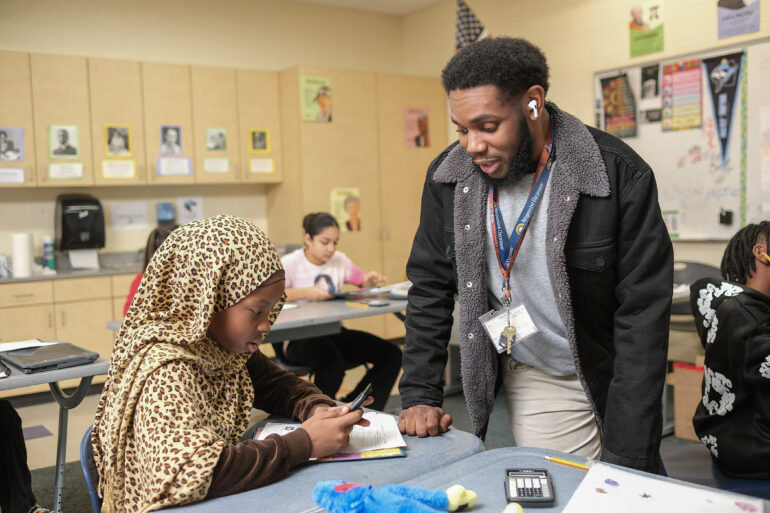
Teens are naturally curious, deeply moral thinkers. They want to engage with the difficult questions of our time, and research shows they are far less polarized than the adult world assumes they are. Avoiding the complexity of the United States’ history underestimates American students.
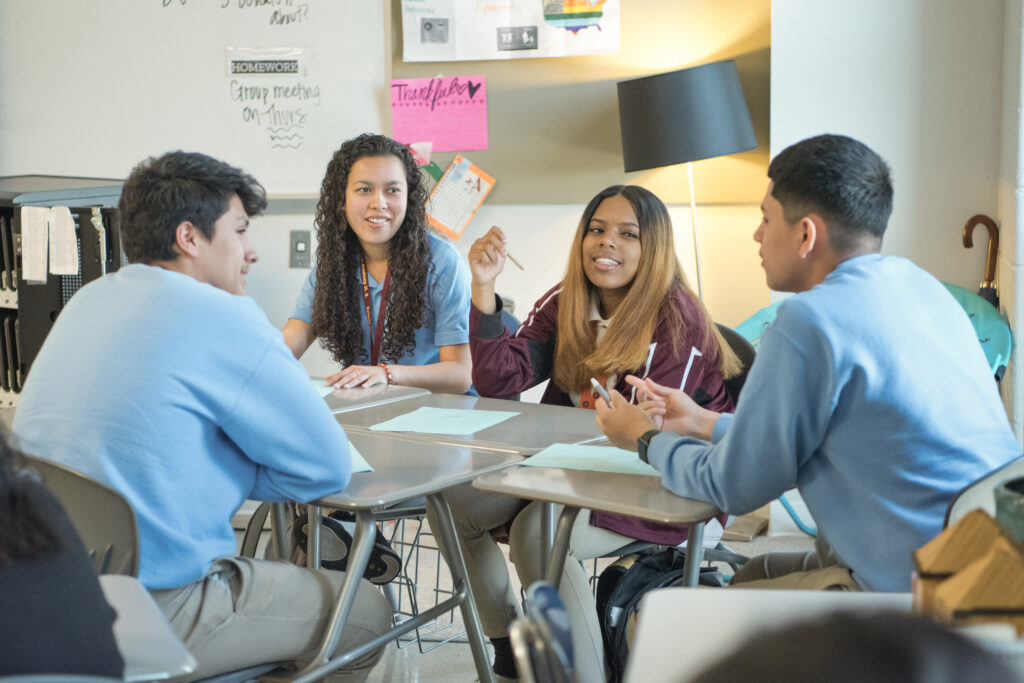
Classrooms remain one of the few diverse spaces where young people can learn alongside peers with vastly different lived experiences, identities, and ideas. But as the civic education scholar Dr. Diana Hess reminds us, these spaces don’t appear spontaneously. A reflective classroom community requires intentionality, commitment, and a clear pedagogical roadmap.
Facing History & Ourselves helps cultivate these learning environments by providing research-based resources and evidence-based pedagogies to educators. The nonprofit also offers professional learning events to support history and language arts education so students can reach their full potential.
Cultivating Informed Civic Participants
Dr. Martha Minow, a constitutional law expert, confirms that schools should be places that cultivate the next generation of informed civic participants who learn alongside peers with different perspectives. Together, students learn how to collaborate, think critically, and ask clarifying questions.
To help young people hold both the beauty and the horrors of the American story, it’s essential to guide them through a reflective journey — one that mirrors the very democratic processes they will hopefully inherit.
This means building safety and trust in order to explore the fundamental questions of adolescent development: Who am I? Who are we? How do our individual identities shape how we see our country? Why do individuals choose to stand by, or stand up, in the face of historical injustice? There are no easy answers or quick fixes to injustice, and young people coming of age must learn to tolerate the tension of a history that is simultaneously brilliant and painful.
Young people cannot change the world unless they can first imagine what a better world actually looks like. This is what scholars Dr. Sangita Shresthova and Dr. Henry Jenkins define as civic imagination: “the capacity to imagine alternatives to current social, political, or economic institutions or problems.”
When students learn how to connect history to the present, they transition from moral philosophers to active civic participants who ask: “How can I make a difference?”
America’s 250th anniversary is an opportunity for educators to invite students into the ongoing, messy, and hopeful work of strengthening our democracy. By holding space for the full American story, young people gain the tools to stand on the shoulders of those who believed things could be different — and the agency to build a future worth celebrating.
This post was submitted as part of our “You Said It” program. Your voice, ideas, and engagement are important to help us accomplish our mission. We encourage you to share your ideas and efforts to make the world a better place by submitting a “You Said It,” which can earn a nonprofit that you champion a $1,000 donation from the Make It Better Foundation and eligibility for a Philanthropy Award, grant content partnership, and greater engagement with our audience.
How to Help
Facing History & Ourselves is a non-profit education organization committed to empowering the next generation of informed civic participants. We partner with schools and districts, providing curriculum and training to teachers to build safe, inclusive classrooms where students engage with the complexities of history, consider how the past informs our world today, and recognize their responsibility to make a difference in society.

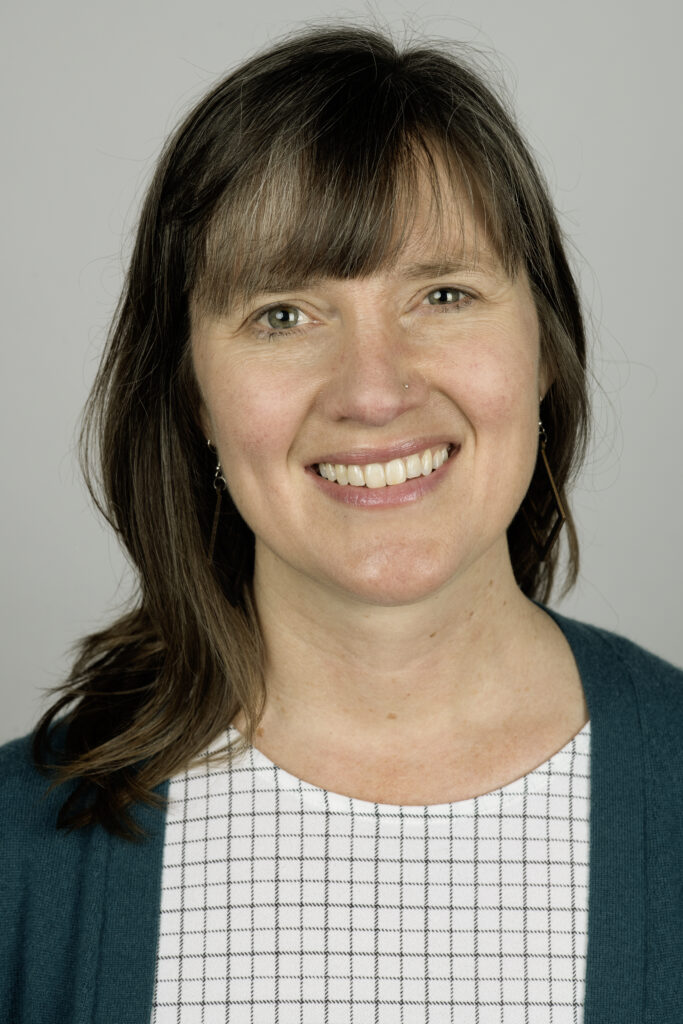
Erica Hodgin is the senior director of civic education at Facing History & Ourselves. She is a former co-director of the Civic Engagement Research Group at the University of California, Riverside, and previously served as a classroom teacher at the middle school and high school levels.
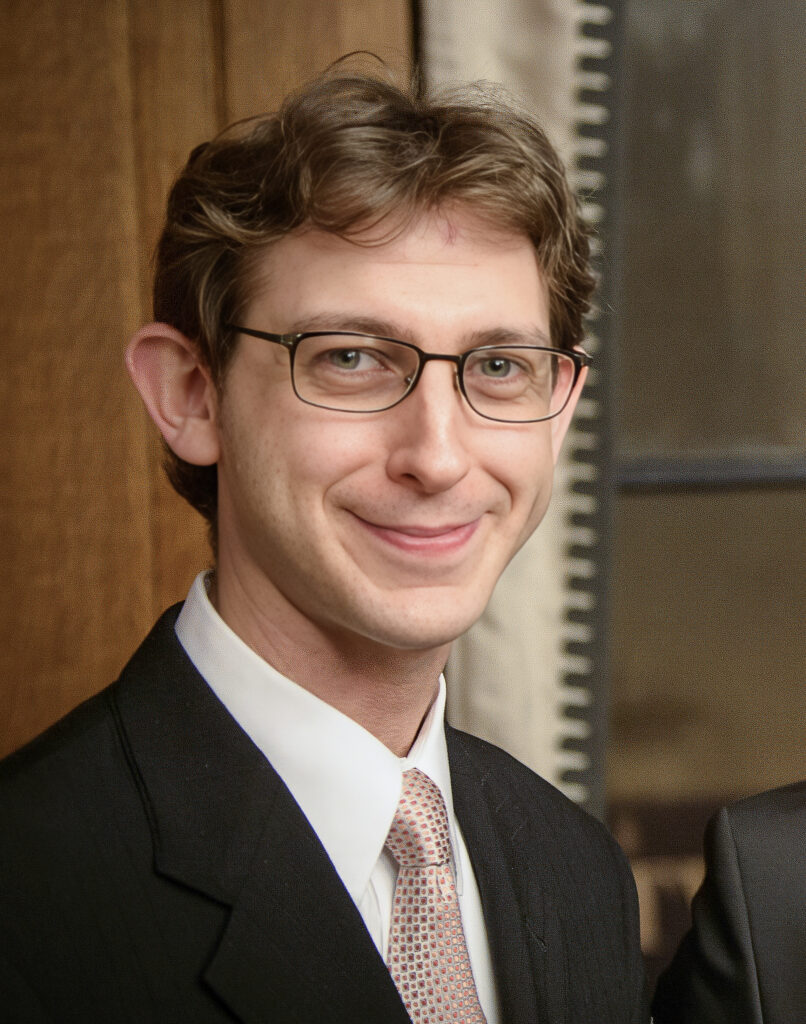
Daniel Braunfeld is the senior director of organizational thought leadership and special projects at Facing History & Ourselves. He is the former director of young adult initiatives at the Shalom Hartman Institute and taught high school history, developed curricula, and served as teacher-leader for eight years in New York City, Santa Monica, and Boston.