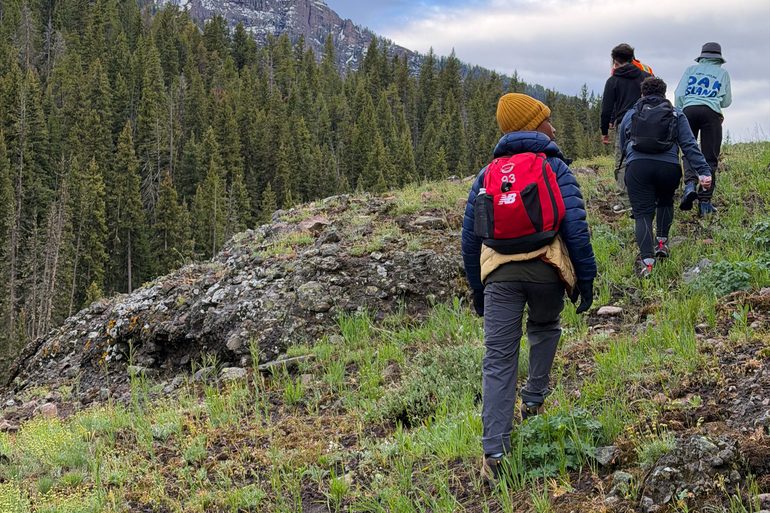
Before sunrise on a June morning in Yellowstone National Park, a group of students from Washington Jesuit Academy in Washington, D.C., stood on Blacktail Plateau in the dark, radio telemetry equipment crackling in their hands, tracking a signal that could be the Rescue Creek wolf pack.
They had studied this moment. During the school year, they spent Wednesdays participating in Conservation Nation Academy (CNA) lessons aligned with the Next Generation Science Standards. In one lesson, Think Like a Wolf, they learned about pack dynamics, the cascade effects of apex predators, and what it means to restore a species to an ecosystem that had nearly forgotten it. They learned that wolf howls carry information, and that careful listening is how you begin to decode them.
Standing in the cold Yellowstone dark, waiting for the receiver to confirm what was out there in the trees, they understood it in a completely different way.
The Program: Classroom First, Then the Wild
Conservation Nation Academy is a program from Conservation Nation designed to help students see themselves as future conservationists. It partners with schools to deliver curriculum built around wildlife, ecosystems, bioacoustics, animal communication, and empathy — taught alongside working conservationists and wildlife experts. The lessons are free and ready to teach. And for some students who go through the program, the classroom is only the beginning.
In June 2026, Conservation Nation Academy took students from two partner schools, Bullis School and Washington Jesuit Academy, on expeditions to Yellowstone National Park. The trips weren’t a reward for completing the curriculum. They were the curriculum’s final chapter: the moment when everything students had studied became something they could see, hear, touch, and hold.
That sequencing is intentional, and it’s grounded in what researchers have long understood about how deep learning works. A landmark 2022 systematic review published in Frontiers in Public Health found that nature-specific outdoor learning produces measurable gains in academic outcomes, self-concept, and student ownership over their own learning — and that these benefits are especially pronounced for students with limited prior access to natural spaces. When students arrive at a wild place already armed with context, the experience moves from informing to transforming.
What Three Days in Yellowstone Actually Looks Like
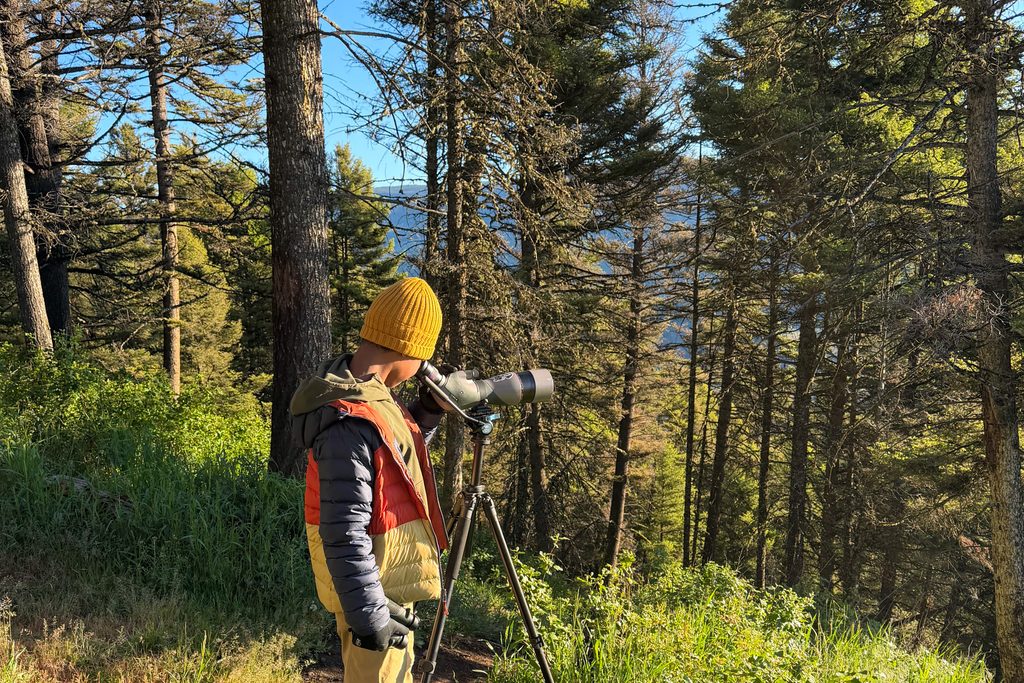
The CNA expeditions were built to be rigorous and inspirational, not recreational. Students woke before dawn to track wolf packs by GPS and radio telemetry. They spotted the Junction Butte pack feeding on a carcass south of Hubbard Hill. They had the chance to meet renowned wolf behaviorist and author Rick McIntyre, the man who has logged more hours observing wild wolves than any person alive. McIntyre gave them an impromptu talk on the legendary Wolf 8, the sister wolves 40 and 42, and their love story with Wolf 21. These were more than characters from a textbook. They were animals from the same valley students were standing in.
Then came the bison necropsy.
Students conducted a full field necropsy in the Lamar Valley. They extracted teeth, pulled marrow samples to determine the cause of death, and wrote an official field report. They were doing real science. And then something happened that no lesson plan could have scripted.
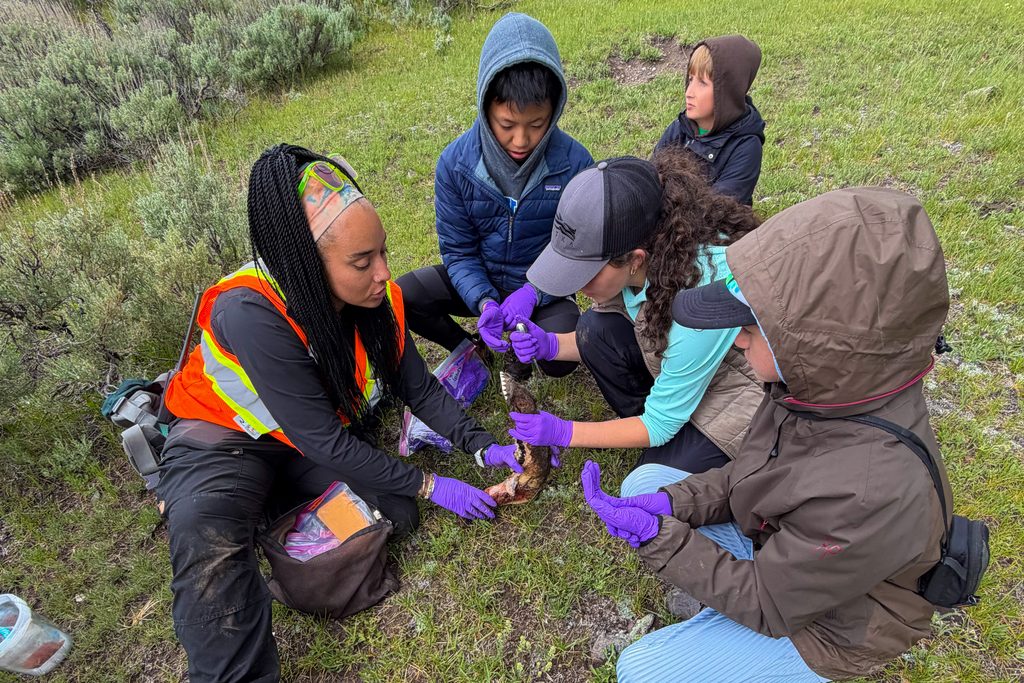
A herd of bison quietly approached the carcass. One by one, they licked the body of their fallen herd member. Students stepped back without being asked. Nobody spoke. They had just witnessed grief in another species. They had understood, somewhere deeper than intellect, what it means to share a planet with other creatures that mourn. One student began to consider becoming a veterinarian. She was drawn to the hands-on science of the necropsy, the detective work of determining cause of death, and, after watching the bison, a new sense of responsibility for wildlife.
Wildlife sculptor George Bumann challenged students to name their entire day in a single word, the way an artist names a work, then listened to every answer. Cougar researcher Jack Rabe delivered a presentation so gripping that chaperones had to cut off student questions. Jack said it was the most questions he’d ever been asked.
For some of these students, this was their first time leaving the Washington, D.C., metro area. Their first experience of a truly wild place wasn’t a neighborhood park or a weekend camping trip. It was the majesty of Yellowstone National Park.
What Comes Home with Them
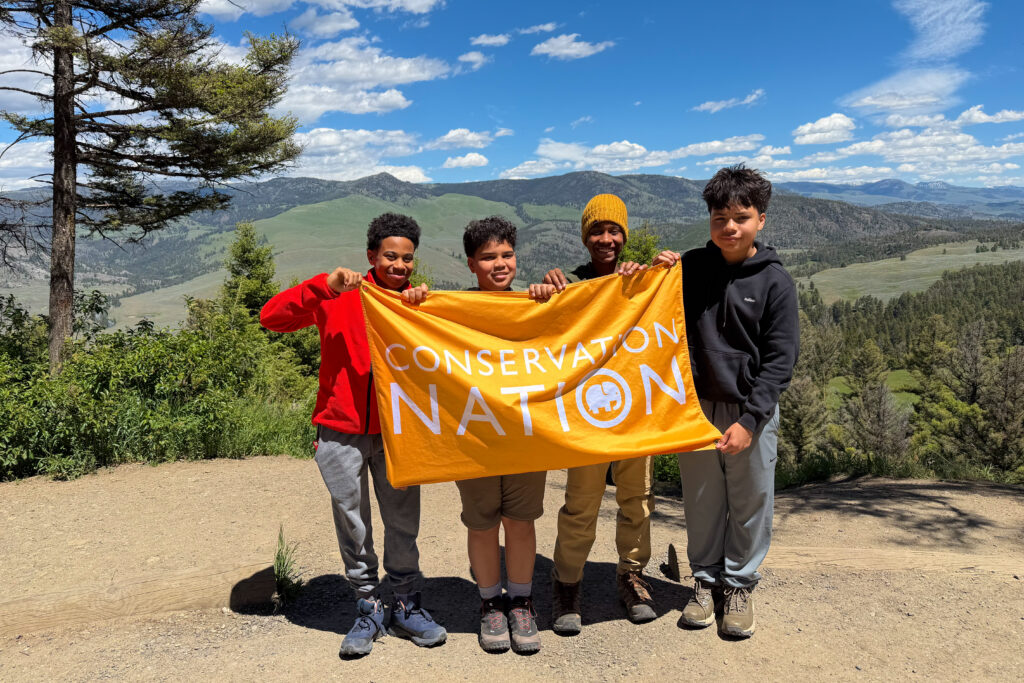
One parent watched her son on a video call from Yellowstone and told the Conservation Nation team she could see how much he had matured in just days. Something in how he carried himself, in the way he spoke about what he’d seen, had shifted. That’s the kind of outcome that doesn’t show up on a standardized test. But it’s the kind that shapes a life.
Research backs up what that mother observed. A 2023 study in Frontiers in Psychology found that students who participated in extended outdoor learning experiences reported significant growth in maturity and self-awareness, describing those gains as directly transferable to academic and personal challenges they faced afterward. The learning didn’t stay in the field. It came home.
So did new ideas about the future. Before the expedition, most students would have struggled to name more than a handful of careers in conservation science. Three days in the field changed that. One student started asking questions about wildlife photography as a profession and enjoyed taking pictures with the school’s digital camera. Yet another, after hearing Jack Rabe’s cougar talk and learning about how AI and data science fit into conservation, realized that he could combine his love of math and computers with his love of animals.
This is a well-documented pattern. A 2022 study in the International Journal of STEM Education found that participation in authentic field science experiences, the kind that mirror what real scientists actually do, is one of the most reliable pathways to science identity development, which is itself among the strongest predictors of STEM career interest and persistence. When students do science in wild places alongside real scientists, they begin to see themselves as people who belong in those spaces. And that shift in self-perception is durable.
Two Different Schools. One Wild Place
Bullis School and Washington Jesuit Academy don’t have much in common on paper. Different communities, different student populations, and different institutional cultures. But during this adventure, they shared something that transcended these differences: three days in one of the most intact ecosystems on Earth, guided by people who have dedicated their lives to understanding it.
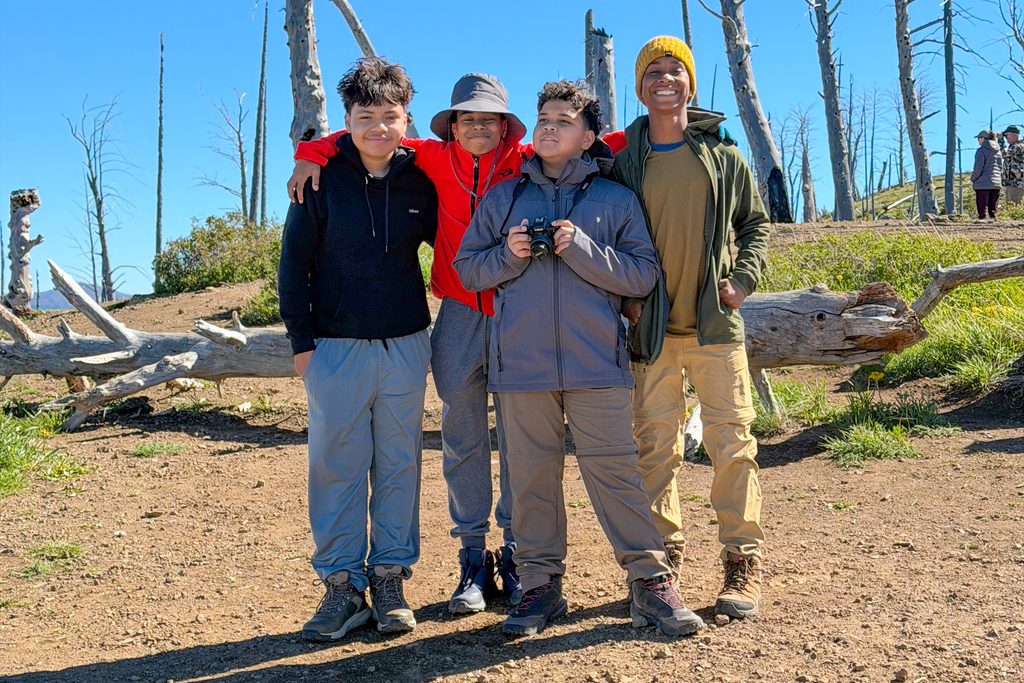
That pairing is deliberate. Conservation Nation Academy’s lessons feature diverse conservation role models and are designed to reach students whose backgrounds rarely appear in traditional environmental education. The message, from classroom to field, is consistent: this work belongs to everyone. Conservation science doesn’t have a fixed face, and Yellowstone doesn’t belong to any one kind of student.
Research supports the equity dimension of this work too. A 2017 systematic review in the International Journal of Environmental Research and Public Health found that outdoor education programs produced improvements in self-esteem, self-confidence, and collaborative trust across diverse student populations, outcomes that are particularly meaningful for students encountering field science for the first time. The shared experience of wild places, it turns out, is a remarkable equalizer.
What’s Coming Next: Outdoor Lessons and Conservation Nation Expeditions
Conservation Nation Academy is expanding its free lesson library with new outdoor-focused curriculum, bringing the principles of field science into schoolyard and local nature spaces, so that students don’t have to travel to Yellowstone to begin developing the skills and mindset of a conservationist. The new outdoor lessons are designed to extend the existing classroom curriculum into local ecosystems, creating a continuum from the familiar to the far wild.
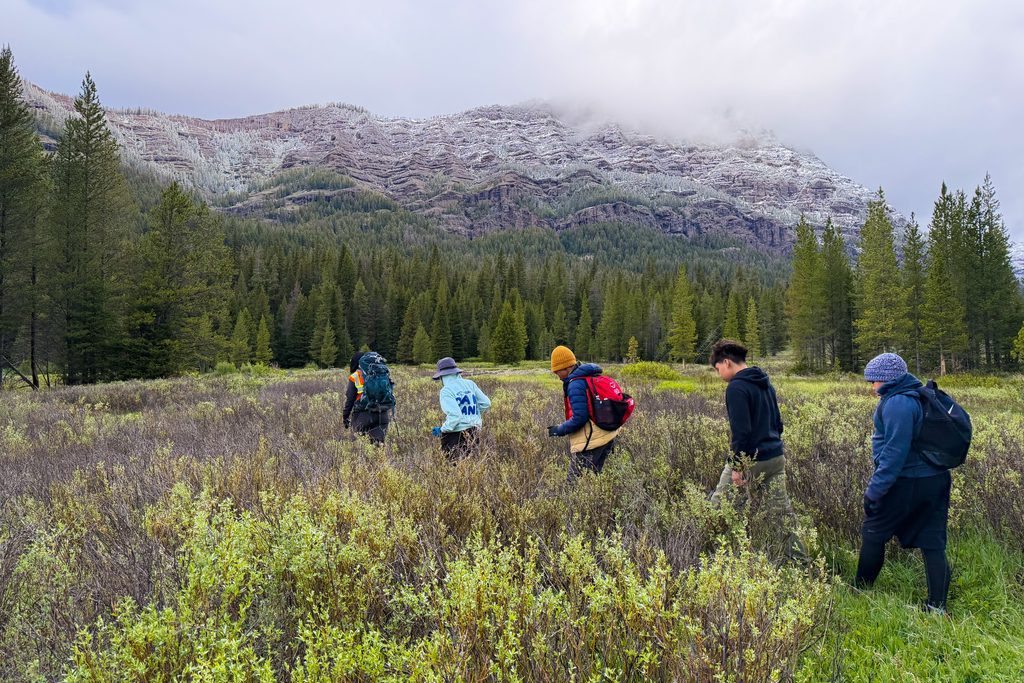
These trips won’t be the last, and Yellowstone isn’t the only classroom. With donor support, Conservation Nation plans to take more students to wild places around the world, guided by a global network of conservationists, researchers, and field scientists. Each expedition will follow the same model: curriculum first, experts in the field, and experiences designed to produce the kind of awe that creates lifelong Earth champions.
Here’s what three days in Yellowstone showed: when a student has spent months understanding why wolves matter, and then stands in the Lamar Valley before sunrise, holding a receiver, listening for a signal that means one is nearby, something locks into place that no amount of classroom time alone could build.
And the students who feel it have a reason to protect it for the rest of their lives.
How to Help
Conservation Nation Academy offers free, NGSS-aligned conservation science lessons for middle school students nationwide. To bring CNA lessons to your school or learn more about Conservation Nation Expeditions, visit conservationnation.org/our-work/education.

More from Better
- How Listening to Nature Builds Empathy — and Why That Matters for Conservation
- The Planet’s Health Is Our Health — Support Conservation Nation’s Inclusive Mission to Protect Both
- What a 400-Pound Gorilla, Bluey, and Disney’s Animal Kingdom Reveal About Saving Endangered Species
- The Future of Michigan’s Ottawa National Forest Could Hinge on a Controversial Logging Proposal