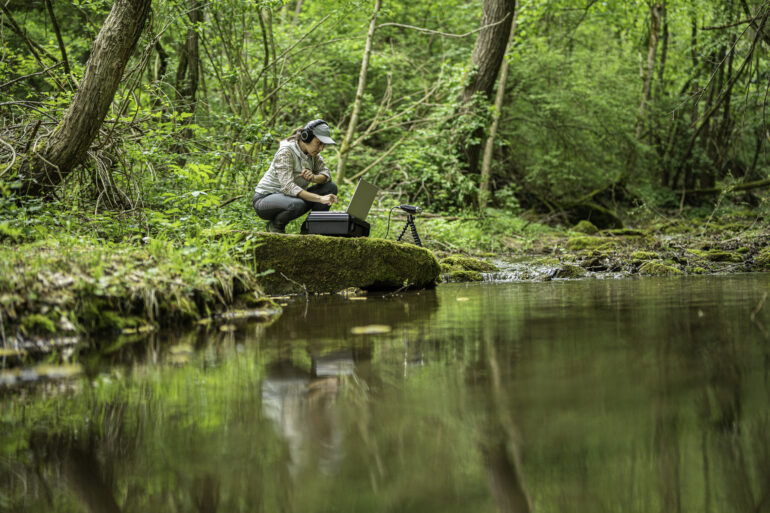
What if listening may be the key to helping solve our biodiversity crisis?
Not just hearing — really listening. To the roar of a lion. The haunting song of a humpback whale. To the layered chorus of a forest at dawn, or the unsettling quiet of an ecosystem in collapse. The sounds of our living world are everywhere, and science is revealing what many of us have always sensed: that truly listening to nature changes us. It deepens our connection to the animals we share this planet with. It builds our empathy. And empathy, it turns out, may be one of the most powerful conservation tools we have.
Sound Opens the Brain — and the Heart
There is something primal about listening to nature. People who listen to natural soundscapes — birdsong, wind, flowing water — report measurably lower stress, improved mood, and enhanced cognitive performance compared to those exposed to urban noise. Nature sounds don’t just relax us; they shift the way our nervous systems respond to the world. They signal safety. They activate the parts of our brain associated with belonging, not threat.
That physiological shift matters deeply for conservation. When we feel connected — when nature sounds familiar, alive, and worth protecting — we are far more likely to act on its behalf. The sounds of wildlife don’t just move through our ears. They move through our hearts.
Empathy is the Bridge Between Feeling and Action
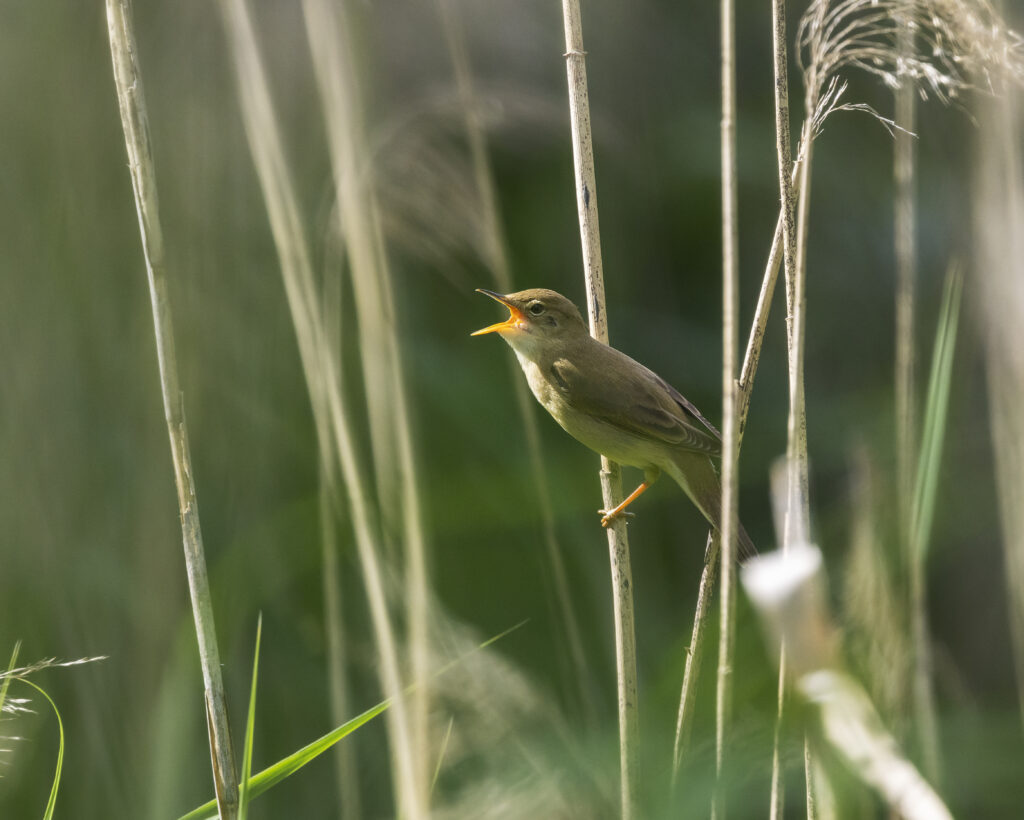
We have known for decades that telling people the facts about biodiversity loss isn’t enough. Statistics about species extinction rarely inspire sustained behavior change. What does work is empathy — and emerging science shows that empathy for wildlife is both learnable and directly linked to conservation action.
When people were able to recognize and individually identify wild dolphins, their empathy for those animals increased — and so did their willingness to pledge concrete environmental behaviors. The more personally we perceive an animal, the more we care. Individuation creates connection. And connection creates commitment.
Sound does this powerfully. A wolf’s howl in the dark, a whale’s song crossing miles of open ocean, a forest falling eerily silent after disturbance — these acoustic moments individualize the experience of wildlife in a way that no data set can. They make the animal real to us. And what is real to us, we protect.
Teaching Kids to Listen is Teaching Kids to Care
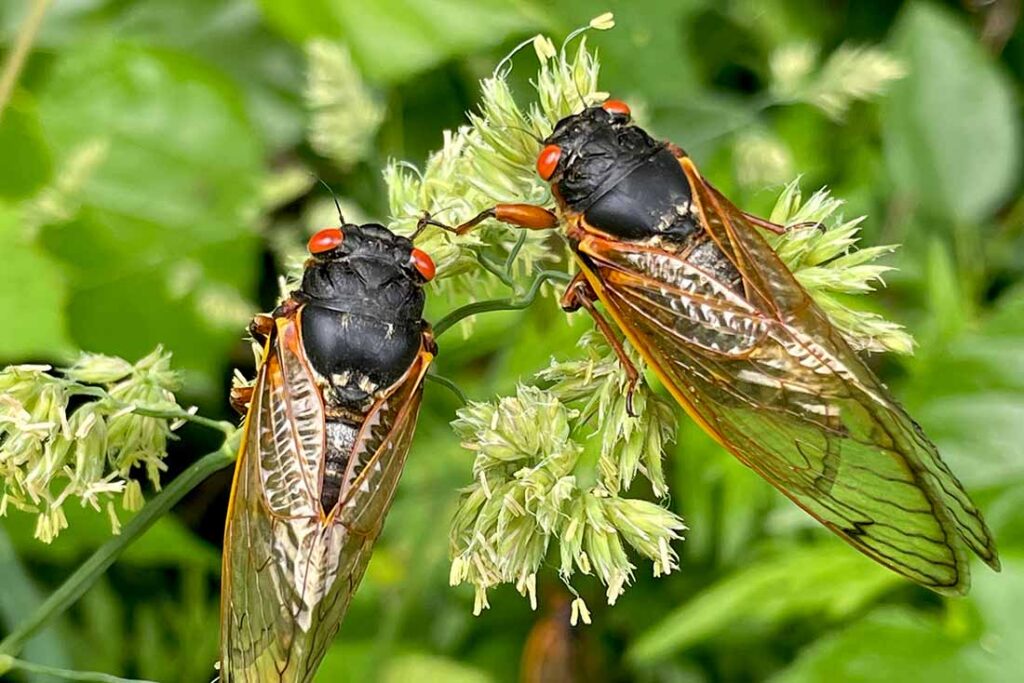
This deep level of empathy doesn’t emerge — it is learned. And the earlier we cultivate it, the more powerfully it shapes the choices people make across a lifetime. Research on free-choice learning environments consistently shows that direct encounters with wildlife, including acoustic experiences, foster stronger empathy and conservation concern in young people. When a child hears the howl of a wolf for the first time, something opens in them. A question forms. A relationship begins.
A 2025 study confirmed that deeper connections with individual animals translate into greater understanding of biodiversity conservation — and an increased desire to see wildlife in its natural habitat. The implications for education are clear: we don’t just teach children about nature — we teach them to listen to it. That distinction changes everything.
The Science of Sound — A Window Into Living Ecosystems
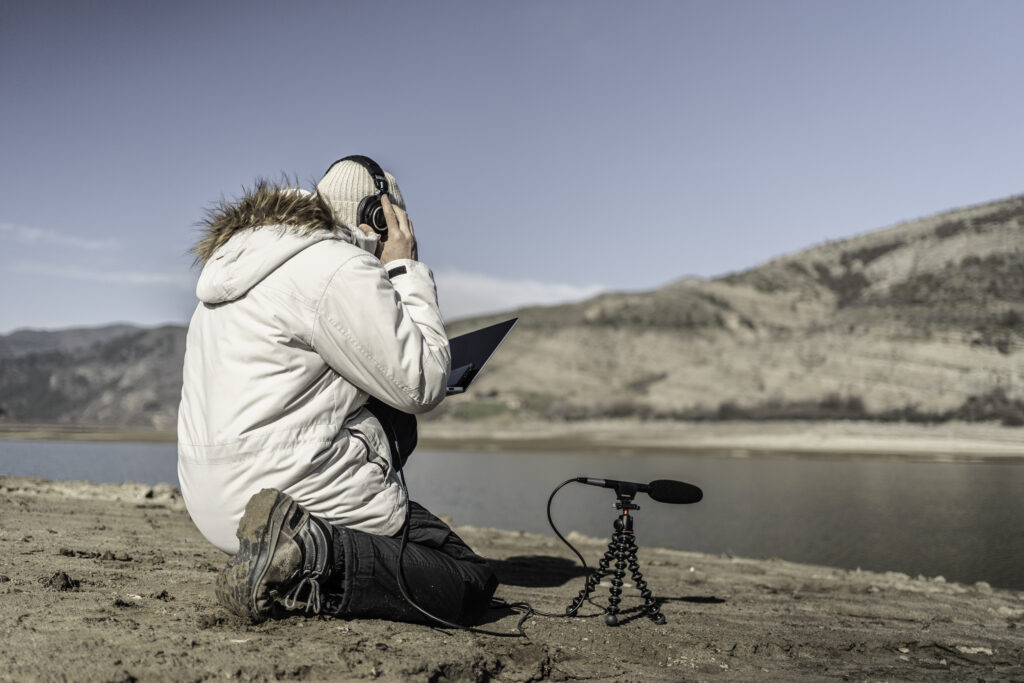
Listening is not only emotionally transformative — it turns out to be scientifically essential. A thriving ecosystem sounds different from a struggling one. When birds go quiet, when wolves stop howling, when frogs no longer call at dusk, that silence itself becomes data. Researchers are now harnessing the sounds of nature — the field is called bioacoustics — to track biodiversity, detect threats like illegal logging and poaching, and measure the health of ecosystems in real time.
The premise is as elegant as it is powerful: the soundscape of a place is its vital sign. Learning to listen — really listen — means learning to read the health of our planet. It is a field that is transforming conservation, and one that begins with something every child already knows how to do: pay attention to what they hear.
What We Listen To, We Are Moved to Protect
We are living through a biodiversity crisis that demands not just policy and science, but a fundamental shift in how people relate to the living world. The research is clear: empathy for wildlife drives conservation behavior — from the personal choices we make every day to the political will we build together. And sound, more than almost any other medium, is the gateway to that empathy.
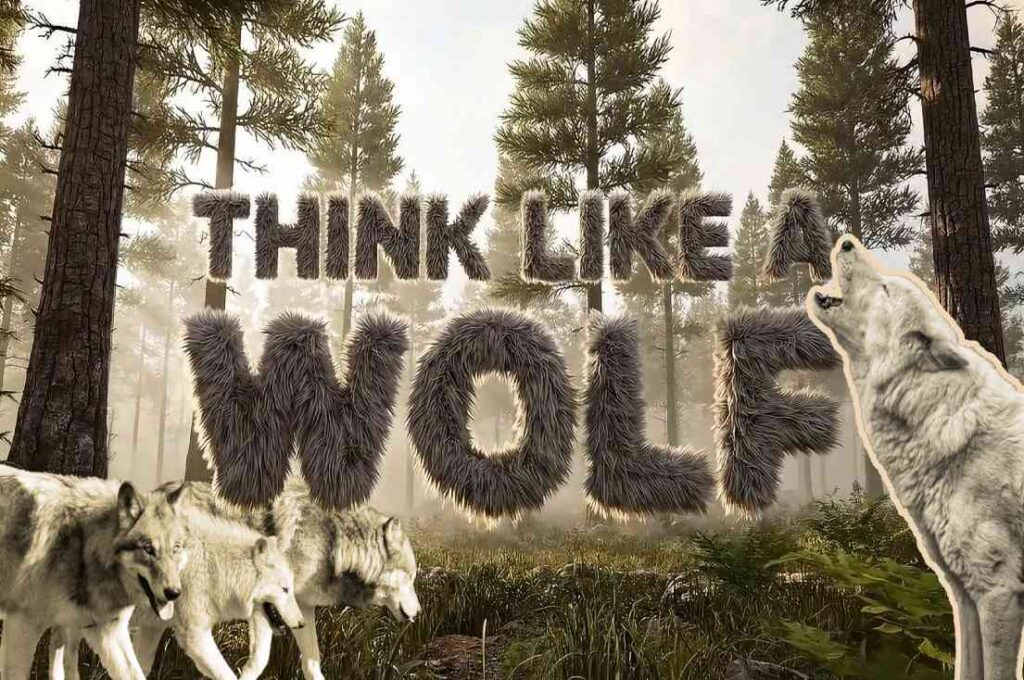
That’s why Conservation Nation created the Sound Science Series: a set of educational lessons designed to introduce the next generation to the hidden language of nature — and inspire them to protect it. From Bioacoustics 101 to Listening to Wolves, these lessons teach students what scientists know and, importantly, they teach students how to hear — and in hearing, how to feel. Because understanding how animals communicate changes something in us. It builds the empathy that our planet needs now more than ever.
Life on Earth is constantly communicating. The question is not whether nature is speaking — it is whether we are listening closely enough to understand. And to act.
How to Help
If you believe every young person deserves to see themselves as a protector of our planet, you can help make that possible. A gift to Conservation Nation expands free, standards-aligned lessons into more classrooms, fuels the creation of new content that inspires middle schoolers at a pivotal moment, and supports conservationists on the frontlines protecting wildlife and endangered ecosystems around the world. When you invest in Conservation Nation, you’re not just funding programs; you’re building the next generation of conservation leaders.