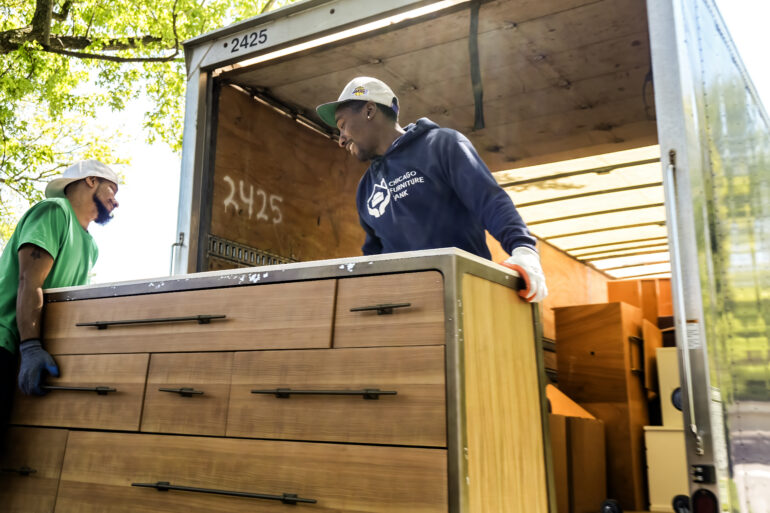
Ebony had a new apartment, five kids counting on her, and nothing to put inside it. No beds, no table, no place to land after a hard day. She had a roof, but what she didn’t have was a home.
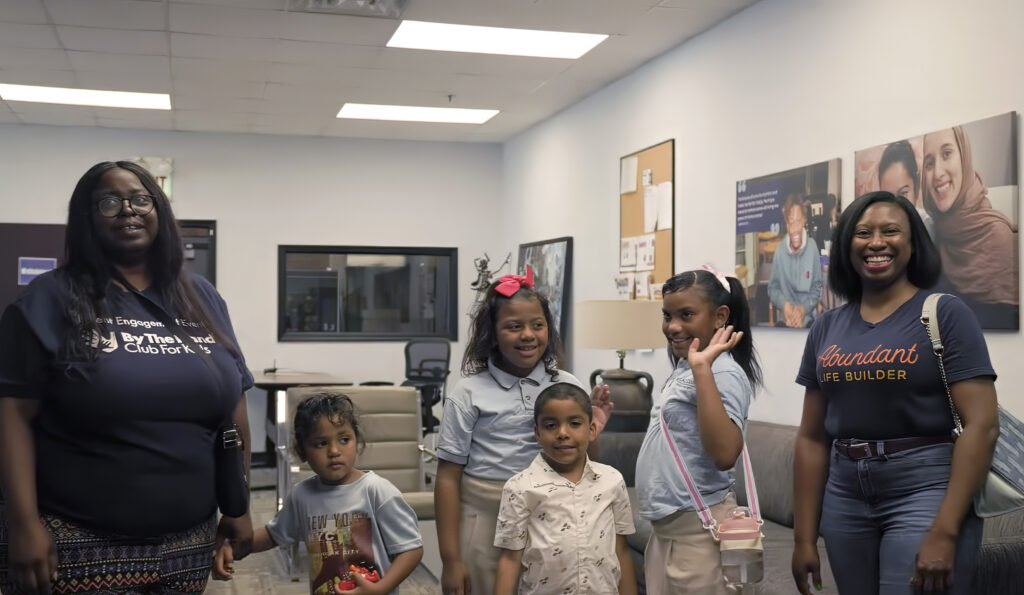
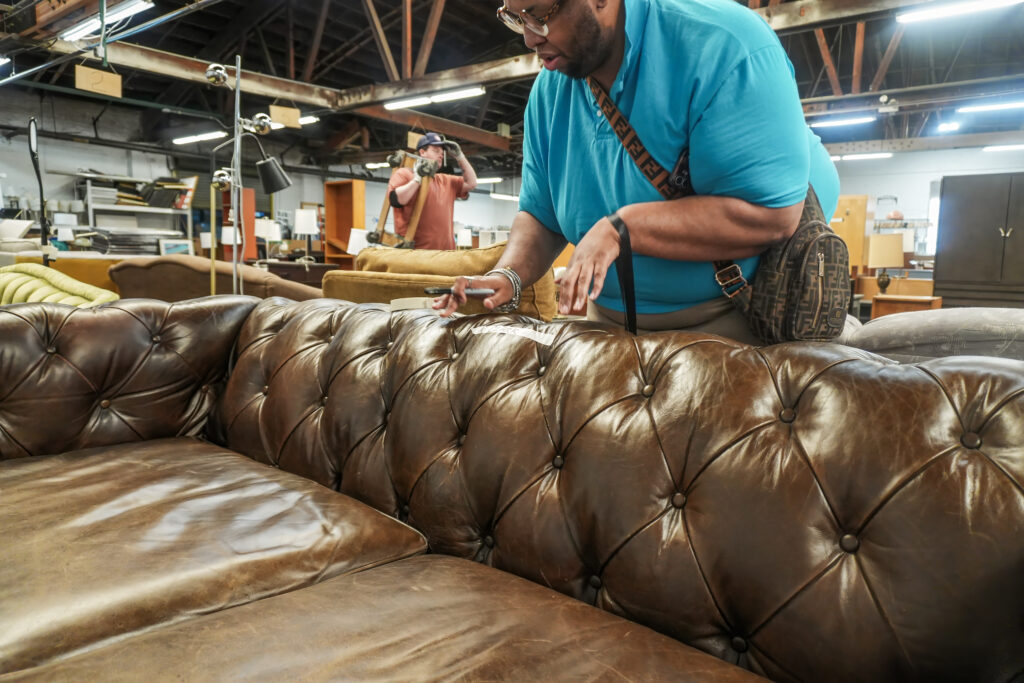
A caseworker referred her to the Chicago Furniture Bank (CFB). A few weeks later, Ebony spent 45 minutes in a showroom on the city’s Southwest Side choosing four beds for the kids, a kitchen table, chairs, and a bookshelf. “It’s a weight off my shoulder right now,” Ebony says. “I just breathed. I just exhaled.”
Furniture Poverty as a Barrier to Housing Stability
Furniture poverty, the inability to access or afford basic household furnishings, is a critical but often overlooked barrier to housing stability.
Securing an apartment is only half the equation. The United States Department of Housing and Urban Development (HUD) and most housing agencies fund the roof, not what goes inside. But what goes inside the house is what makes it a home, and it matters to the families living under the roof.
Research published in the Journal of Circular Economy and a DePaul University study of CFB clients both document the downstream effects of furnished homes: better sleep, improved mental health, stronger housing retention, and children performing better in school.
Supplying Chicagoans with Furniture
Founded in 2018, the Chicago Furniture Bank has furnished more than 25,000 homes and served more than 62,000 Chicagoans through a network of more than 325 nonprofit partners. Every client chooses their own furnishings from the showroom. Nothing is handed to them. Individuals can choose what they want to furnish their home with because dignity and autonomy are built into the model from the start.
What makes CFB unique is how it sustains that work. Nearly three-quarters of CFB’s operating revenue comes from earned income, anchored by Honest Junk Company, a social enterprise junk removal service that diverts usable furniture from landfills and routes the best pieces to families in need.
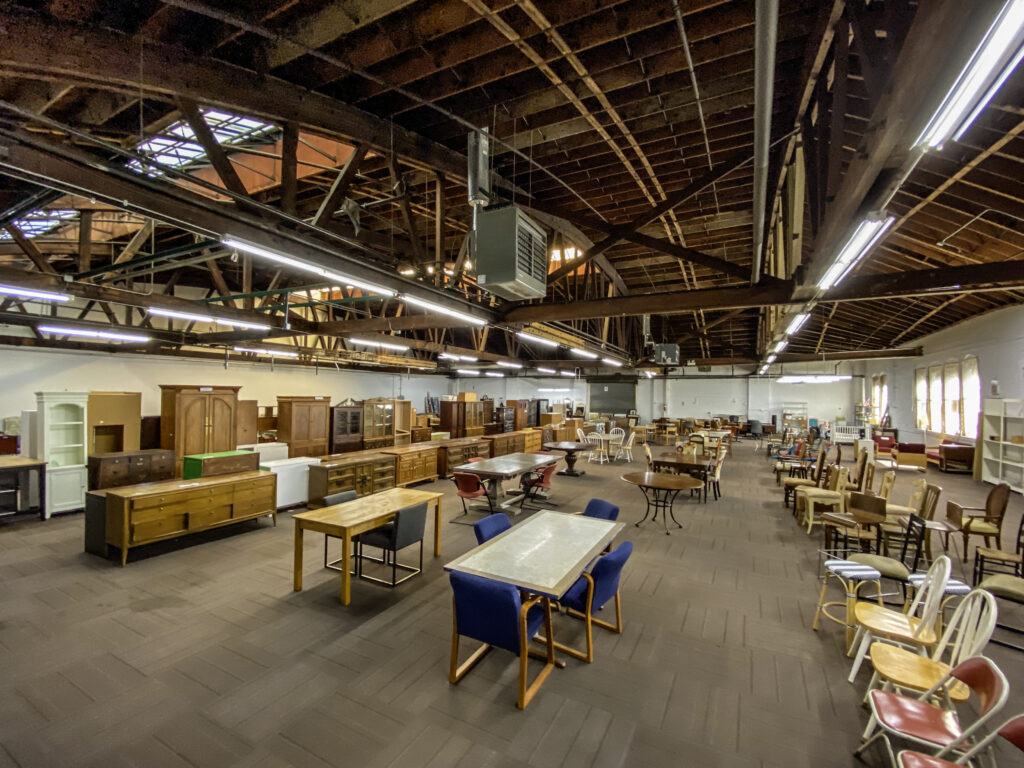
Americans threw away 12.1 million tons of furniture in 2018, the most recent year the EPA measured the category. About 9.7 million tons went straight to a landfill. Less than half of one percent was recycled.
Throughout the past seven years, CFB has diverted 24 million pounds of furniture from that waste stream and delivered more than 350,000 furniture items to families across Chicagoland. They sit at the intersection of excess and urgent need, and turn one into a solution for the other.
“I don’t have to worry about my kids having beds at this point,” Ebony says. “I can do something else for them now.”
A bed changes what a family worries about. That is the point.
This post was submitted as part of our “You Said It” program. Your voice, ideas, and engagement are important to help us accomplish our mission. We encourage you to share your ideas and efforts to make the world a better place by submitting a “You Said It,” which can earn a nonprofit that you champion a $1,000 donation from the Make It Better Foundation and eligibility for a Philanthropy Award, grant content partnership, and greater engagement with our audience.
How to Help
Millions of families have a roof but no bed. Chicago Furniture Bank turns donated furniture into stability, dignity, and a real foundation for homes. Those wanting to support the Chicago Furniture Bank can schedule a furniture donation, donate funds, volunteer, or become a mission partner.

Angela Lathen is the Director of Development at Chicago Furniture Bank and a Certified Fund Raising Executive (CFRE) with more than a decade of nonprofit advancement experience. She specializes in building fundraising programs that are both relationship-driven and built to last.
More from Better
- Where to Donate Your Stuff in Chicago: Clothes, Toys, Furniture, and More
- The Missing Link in Veteran Support: How 2 Organizations Are Partnering to Close the Gap Between Housing and Mental Health Care
- From Shelter to Stability: How Individualized Care Is Changing the Fight Against Homelessness
- Hundreds Unite in Humboldt Park for Chicago’s First Winter Walk to Combat Homelessness