
The first thing parents remember about the day their child is hospitalized usually isn’t the diagnosis. It’s the questions that follow: Where will we sleep tonight? How long will we be here? How will we take care of our other children? How can we afford all of this?
For one family, those questions came two years ago when their daughter arrived nearly three months early. Overnight, life became measured in NICU rounds, conversations with physicians, and moments of uncertainty that no parent ever expects to face.
Then there were the 175 steps. That’s how far they walked from the front door of the Ronald McDonald House Charities of the Ohio Valley to the NICU where their newborn daughter was receiving care.
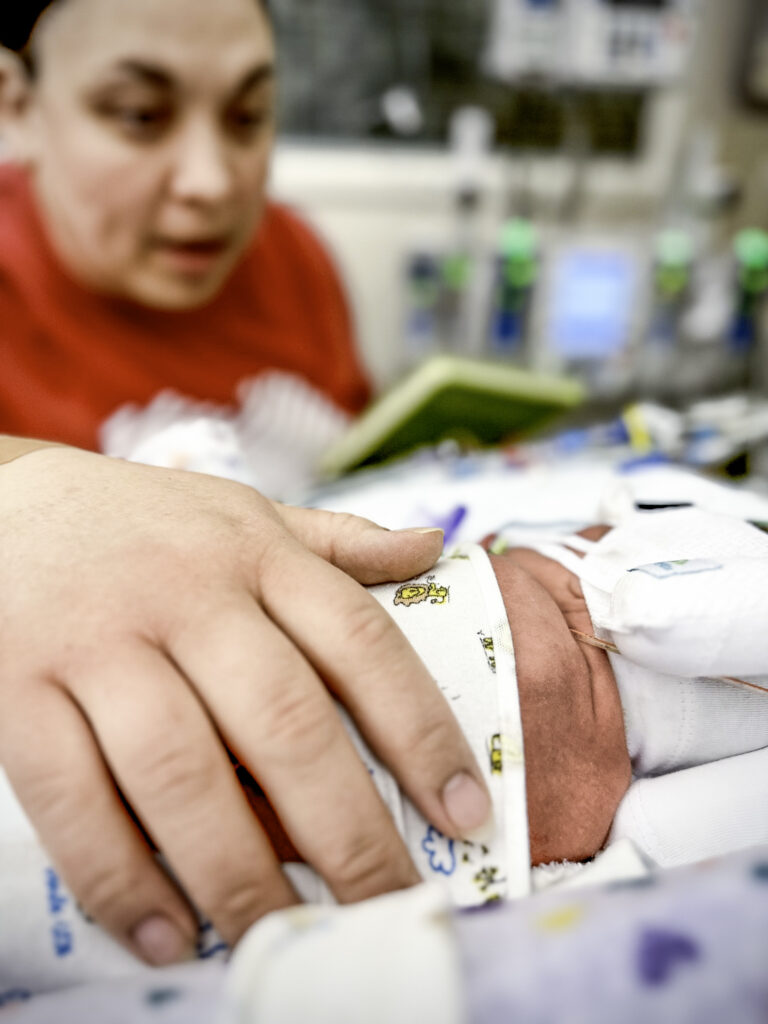
One hundred seventy-five steps. Not miles across town. Not an hour-long commute. Not impossible choices about whether to leave the hospital to sleep, shower, or see their other children. Just 175 steps.
“I did not spend a single night away from our baby,” her mother recalls. “And for that, I will be forever thankful.”
The mother walked those steps countless times—before sunrise, long after dark, sometimes in slippers, sometimes rushing because she didn’t want to miss a doctor’s update or a chance to hold her daughter. In the NICU, those moments aren’t ordinary. They’re milestones.
“The Ronald McDonald House took a situation that felt like moving mountains,” she says, “and turned it into just 175 steps.”
The Importance of Proximity
Millions of children are hospitalized every year, and families often report financial struggles, sleep deprivation, and anxiety-depressive disorders while trying to navigate the care for their child. One of the primary factors in these stressors was the distance between families and their hospitalized child.
Whether the stay is a few days or a few weeks, families want to be close to their children, but finding lodging or transportation isn’t always easy. Proximity isn’t simply convenient. It can change the entire experience of care.
Studies find that family-centered care significantly improves parents’ well-being and decreases stress. By removing barriers like lodging, meals, and transportation, organizations like the Ronald McDonald House make it possible for families to focus on being together by providing family-centered care during a child’s hospital stay.
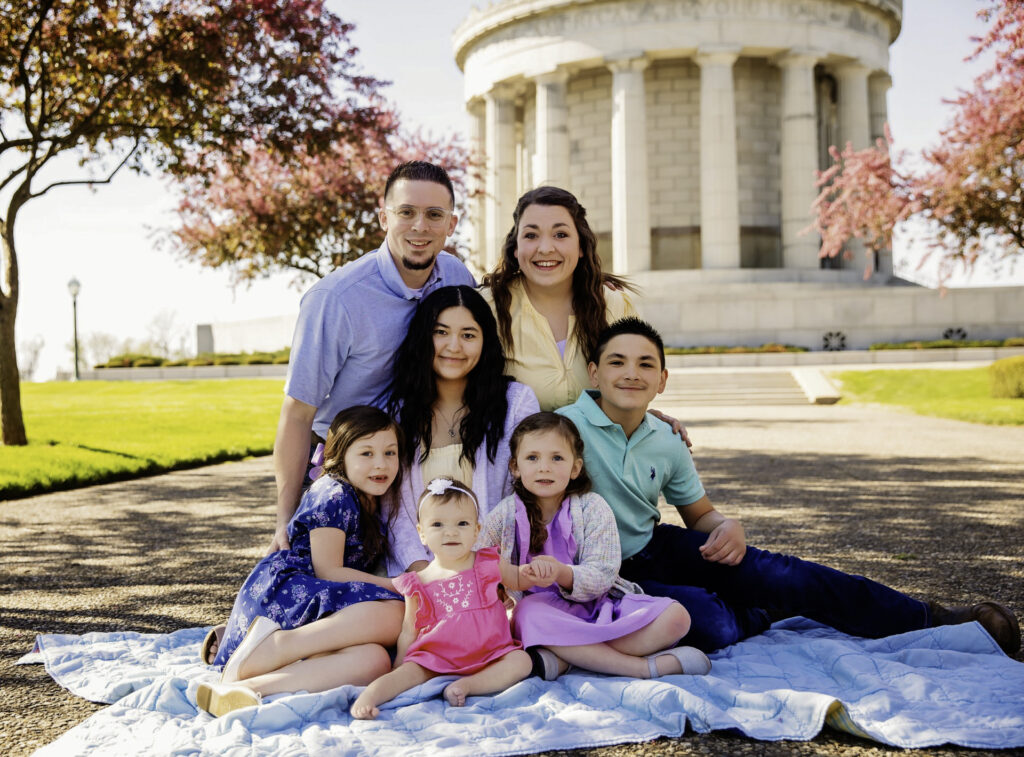
Two years later, the family still marks April 19 — not simply as the day they returned home, but as the day they realized how much those 175 steps had meant. Their daughter is thriving. The fear that once defined each day has been replaced by birthdays, milestones, and ordinary moments they once weren’t sure they’d have.
Ask them what they remember most, and it isn’t the hospital room or the medical equipment. It’s the fact that, during one of the hardest seasons of their lives, they never had to spend a night apart.
Sometimes, the distance between fear and hope is measured not in miles, but in 175 steps.
This post was submitted as part of our “You Said It” program. Your voice, ideas, and engagement are important to help us accomplish our mission. We encourage you to share your ideas and efforts to make the world a better place by submitting a “You Said It,” which can earn a nonprofit that you champion a $1,000 donation from the Make It Better Foundation and eligibility for a Philanthropy Award, grant content partnership, and greater engagement with our audience.
How to Help
Ronald McDonald House Charities of the Ohio Valley provides essential services that remove barriers, strengthen families, and promote healing when children need healthcare. Through Ronald McDonald Houses, Happy Wheels Hospitality Carts, Parent Care Rooms, and Ronald McDonald Care Mobile, families stay close to the care their child needs and to one another. Your support helps keep families together during some of life’s most difficult moments.

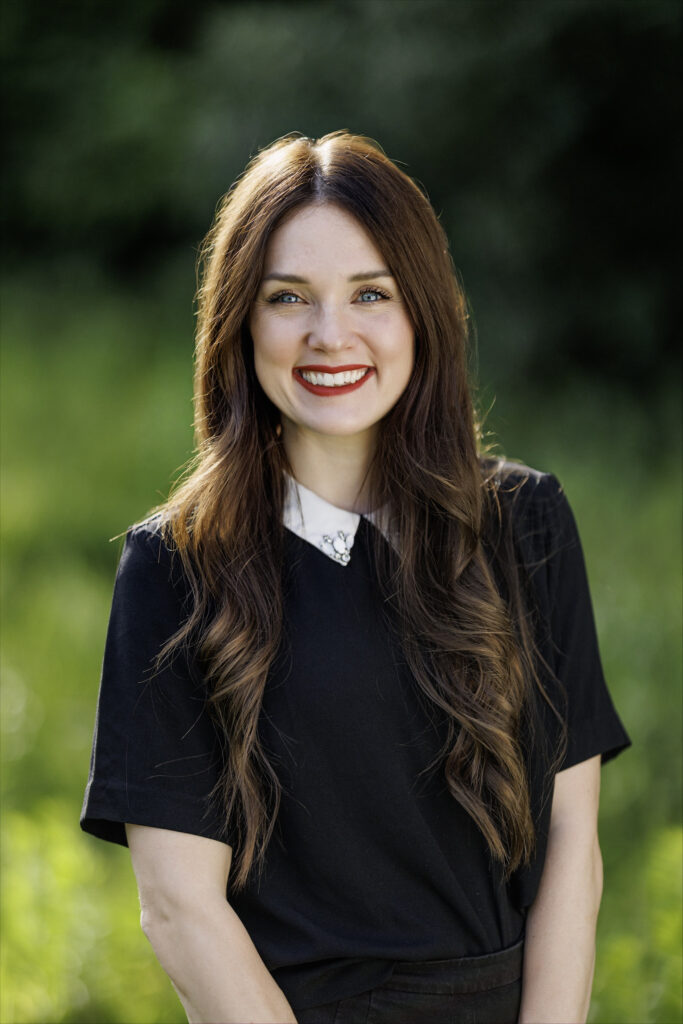
Skylar Hagerman is the Chief Executive Officer of Ronald McDonald House Charities of the Ohio Valley, where she leads the organization’s efforts to keep families close to the medical care their children need. With a background in nonprofit leadership, communications, and philanthropy, she is passionate about advancing family-centered care and sharing stories that inspire compassion, generosity, and meaningful community impact.
More from Better
- Pediatric Cancer Research Gets Less Than 4% of Federal Funding — Leaving Children With Decades-Old Treatments
- Children of Affectionate Fathers Report Higher Self-Esteem as Adults, Research Suggests
- Are Kids Losing Creativity? How America’s Arts Education Crisis Could Affect Innovation, Mental Health, and the Future Workforce