From book bans and attacks on journalists and free speech to federal funding cuts and the loss of literary spaces, the ecosystem that sustains reading and writing is under growing pressure. Libraries, newsrooms, classrooms, and independent bookstores are all feeling the strain. Taken together, these forces point to something larger.
“[T]he biggest crisis of our time is the atmosphere of dehumanization that we’re living in,” said Elizabeth Alexander of the Mellon Foundation in a January 2026 interview with PBS. Mellon is part of the new Literary Arts Fund, a consortium of several large philanthropic foundations that are addressing the need for more funding for literary organizations.
There is also the issue of fewer people reading for pleasure. In fact, a 2025 report found that “16 percent of adults read for pleasure on a given day in 2023, the lowest rate of any year in the survey and down roughly 40 percent from 2003.”
Contributing to the problem is that many schools are not assigning full texts to students, instead focusing on longer excerpts and summaries. Not only does this lead to reduced reading for pleasure, but it also potentially reduces reading comprehension overall.
Encouraging More Adults to Read for Pleasure
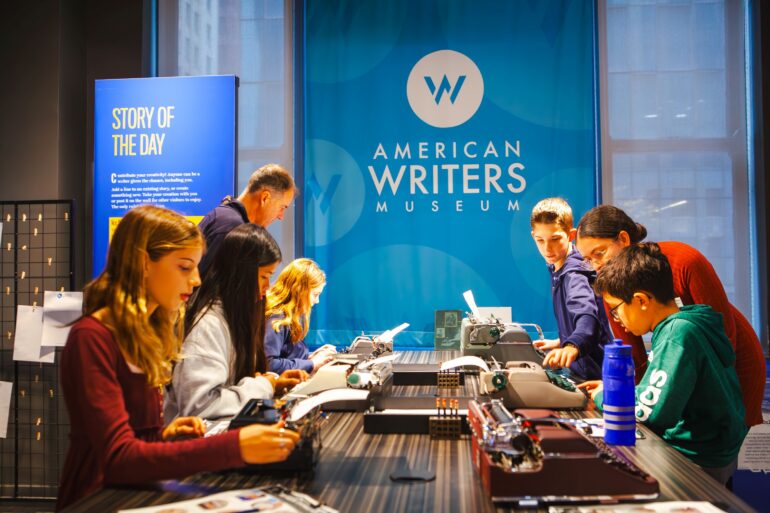
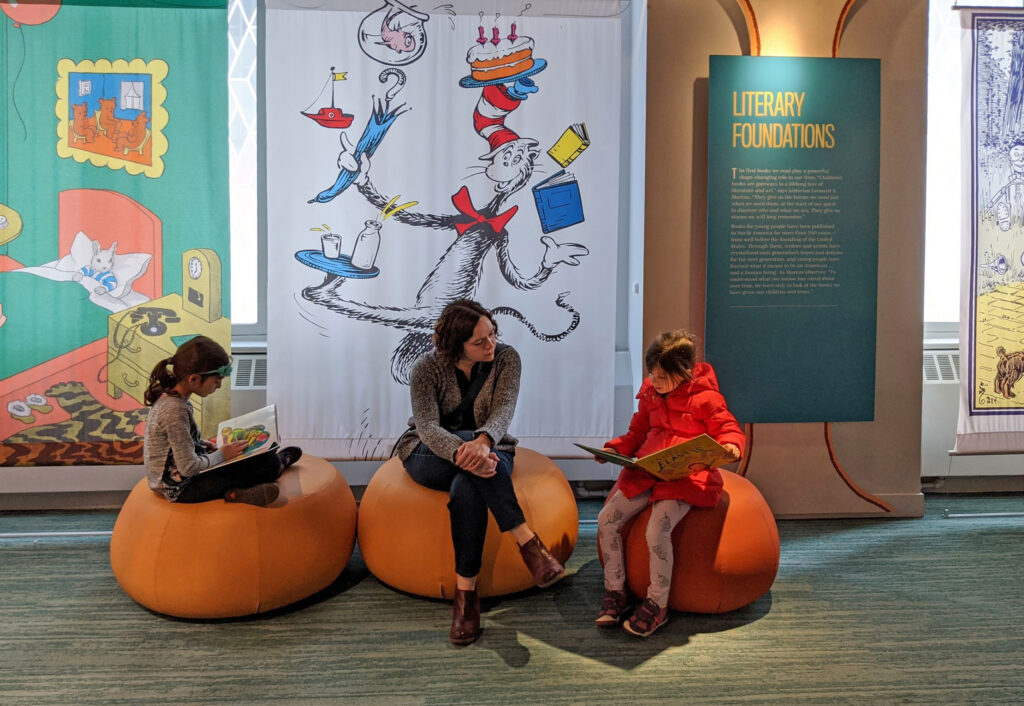
One museum is helping to reverse this trend. The American Writers Museum in Chicago has a mission to excite audiences about the impact of American writers–past, present, and future–in shaping collective histories, cultures, identities, and daily lives. The museum strives to inspire everyone they engage with, from 8 years old to 80, as a means to overcome these trends away from reading and writing, which is paramount to this country’s shared history and culture. They do this with engaging and interactive in-person and online exhibit content and by hosting programs with contemporary writers of all mediums and genres.
The museum spotlights historical and contemporary writers, illustrating their relevance and influence beyond the page. It is this country’s writers who share their stories, and others’ stories, in an effort to create empathy and understanding that connects us. It might be in the form of a movie script, a long-form journalistic exposé, a powerful song, or an evocative poem. When someone reads or hears these stories, they become engaged emotionally and often moved to action.
Exposing Readers to More Diverse Authors
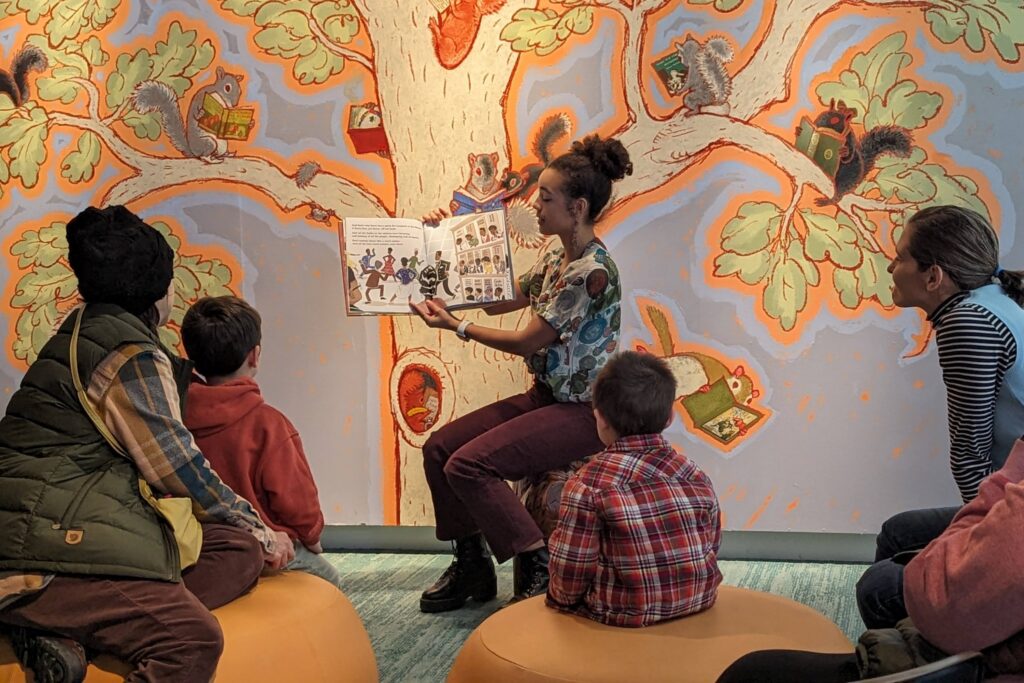
People of all ages have an intrinsic need to tell their story. That’s why the museum’s youth education programs highlight writers from diverse backgrounds who overcame many challenges, from Frederick Douglass and Emily Dickinson to Sandra Cisneros and Viet Thanh Nguyen. Students who read “struggle stories” from writers like these show increased academic motivation and an improved growth mindset. To ensure that even more students can access these stories, the museum provides free field trips for qualifying schools, which can improve student engagement and outcomes.
By promoting this love of reading and writing from a young age, the museum can inspire the future writers and changemakers of tomorrow. For example, Aisling P. won the AWM’s John Estey Student Writing Competition award for middle grades in 2021. She was invited back to the museum’s annual celebration in September 2025 to talk about her experiences since that time. She said:
“Winning this competition… kickstarted my writing journey. I have made some of my closest friends through poetry, and I’m lucky beyond belief to say that I can no longer describe myself without using the word poet.”
Aisling’s journey to discovering a love of writing is just one of thousands from students who visit the American Writers Museum. It’s the small steps of entering a writing contest, discovering a new writer on a field trip, or reading a challenging novel that ignite an appreciation for reading, for writing, and collectively exploring our shared humanity.
Or as Elizabeth Alexander put it: “[A]s a species, honestly, we don’t survive if we don’t figure out how to hear, respect, and see each other. And I think that literature has superpowers to do that.”
How to Help
The mission of the American Writers Museum is to excite audiences about the impact of American writers — past, present, and future — in shaping our collective histories, cultures, identities, and daily lives. You can support the museum by visiting or making a donation, which supports exhibits, public programs with today’s authors, and the Write In youth education program.

This post was submitted as part of our “You Said It” program.” Your voice, ideas, and engagement are important to help us accomplish our mission. We encourage you to share your ideas and efforts to make the world a better place by submitting a “You Said It.”
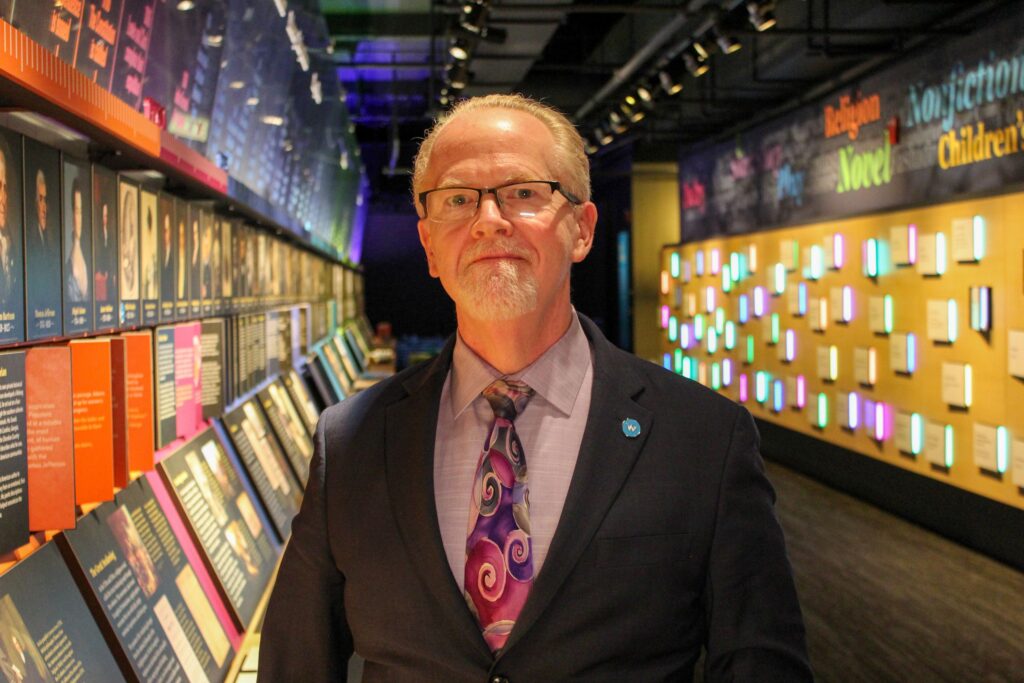
Carey Cranston has been president of the American Writers Museum since 2016. Carey has taught writing at the University of Illinois at Chicago and DePaul University. Carey holds a B.A. in English from DePaul University, an M.A. in English from the University of Illinois at Chicago, and an M.S. in Library and Information Sciences from the University of Illinois in Champaign-Urbana.