Access to nutritious food is one of the most basic and important human rights, and yet, more than 700 million people faced hunger in 2023. A staggering 35% of the global population, equivalent to 2.8 billion people, experience “hidden hunger,” the lack of adequate nutrition. Global conflicts and trade disruptions have brought to light the complexities and fragility of our global food systems, but an often unrecognized and far more pervasive threat to our food supplies is crop disease.
Every one of our crops are susceptible to plant pathogens and pests that cause yield losses of up to 40% every year by some estimates, despite more than $15 billion in crop protection chemicals.
Worse, some diseases can cause total crop failure. Soybean rust, an airborne fungus, can wipe out 90% of tropical soybean harvests within just three weeks of infection. Chemical treatments are an important tool that can help manage some crop diseases, and in Brazil, a country that produces nearly 40% of the world’s soybeans, there would be no crop without them. In fact, Brazil spends more than $2 billion on fungicides annually. Yet chemicals lose their effectiveness over time as pathogens adapt. Farmers in wealthy countries can spray, but they must do so more frequently and intensively — increasing the chemical load on the environment.
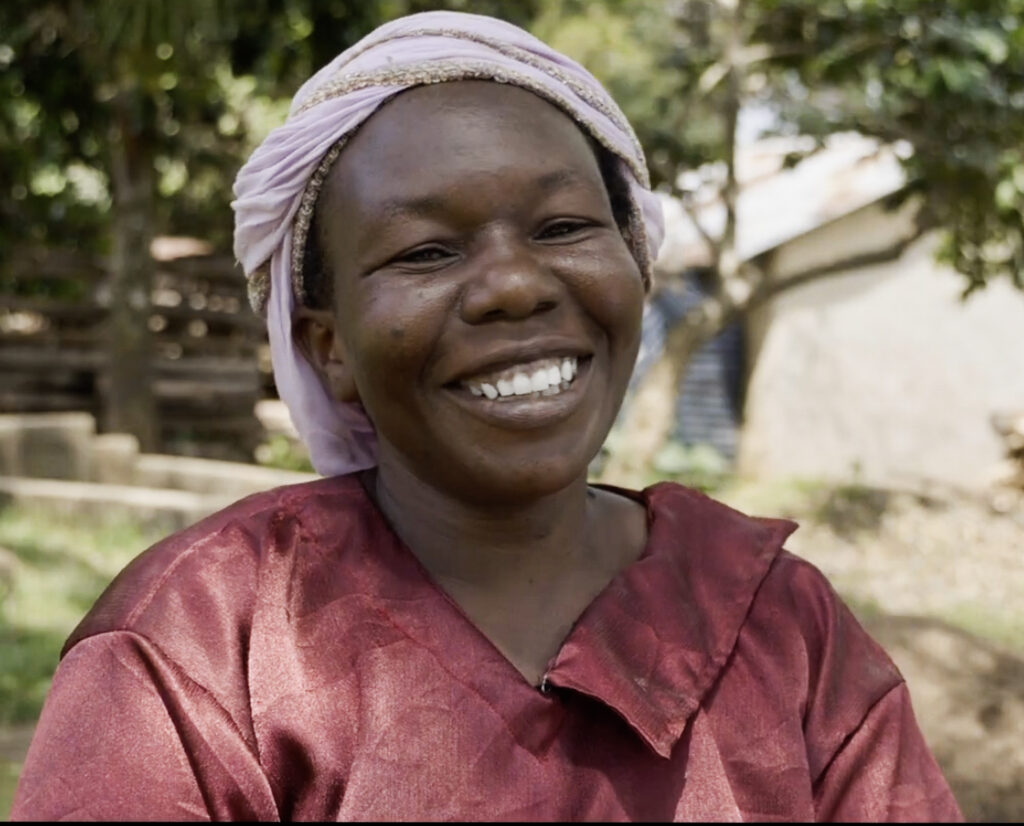
But farmers in low and middle-income countries have limited or no tools to protect their crops. Soybean is a favorite crop of Rose Kaunda, a small-scale farmer, entrepreneur, employer, and widow with five children. On her four-acre farm in rural Kenya, Rose grows soybeans to help feed her children and generate income, but crop diseases are a constant threat.
“Soy is my daily basis for food in everything,” Rosa stated in a video interview. “With leaf rust, the yield will come low. 2016 was very bad. The whole soya beans got damaged, and the harvest was very little. I feel very bad, because I lost. I spent a lot of money on labor and I don’t harvest, and that’s my income.”
Harnessing Science
The good news is that breakthroughs in plant science, including the fields of genomics, pathology, gene editing, and artificial intelligence, have opened new pathways to breed more robust crops that can withstand diseases, pests, and climate shocks. But breakthroughs need refinement to be products. Too often such efforts don’t happen.
Enter 2Blades, a Chicago-based non-profit organization dedicated to advancing cutting-edge scientific innovations to protect crops globally against the most devastating causes of pre-harvest losses, while using less land, water, and chemicals. 2Blades turns discoveries into working solutions — healthy plants — in the field. It uses a “dual-market model” to deliver benefits to both large commercial growers and smallholder farmers in food-deficit countries, ensuring that farmers from Illinois to Zambia have access to resilient crops.
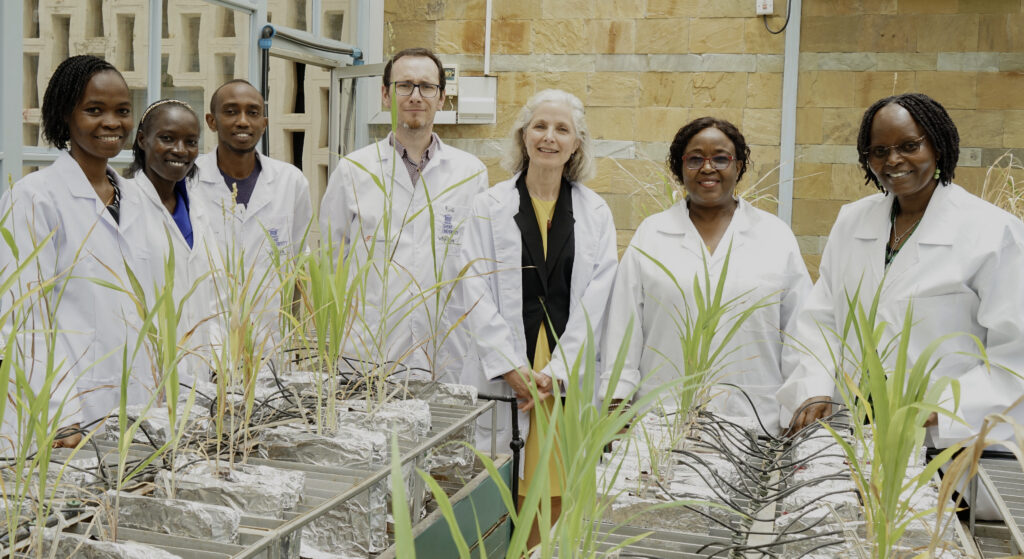
Co-founder Diana Horvath, a Northwestern University-trained scientist, was motivated by the potential to make meaningful improvements through modern breeding tools after experiencing disease and pest challenges in Africa.
Twenty years on, 2Blades has helped to achieve effective resistance against some of the most devastating threats to major crops like wheat, corn, soybean, and potato. Examples include:
- Protecting soybean yields and reducing chemical use in Brazil: 2Blades has discovered genes from soy relatives and delivered these to leading seed companies. Soy plants with these genes stay healthy in the presence of soybean rust and are on track to be delivered to farmers in Brazil. 2Blades is now working to do the same for African farmers.
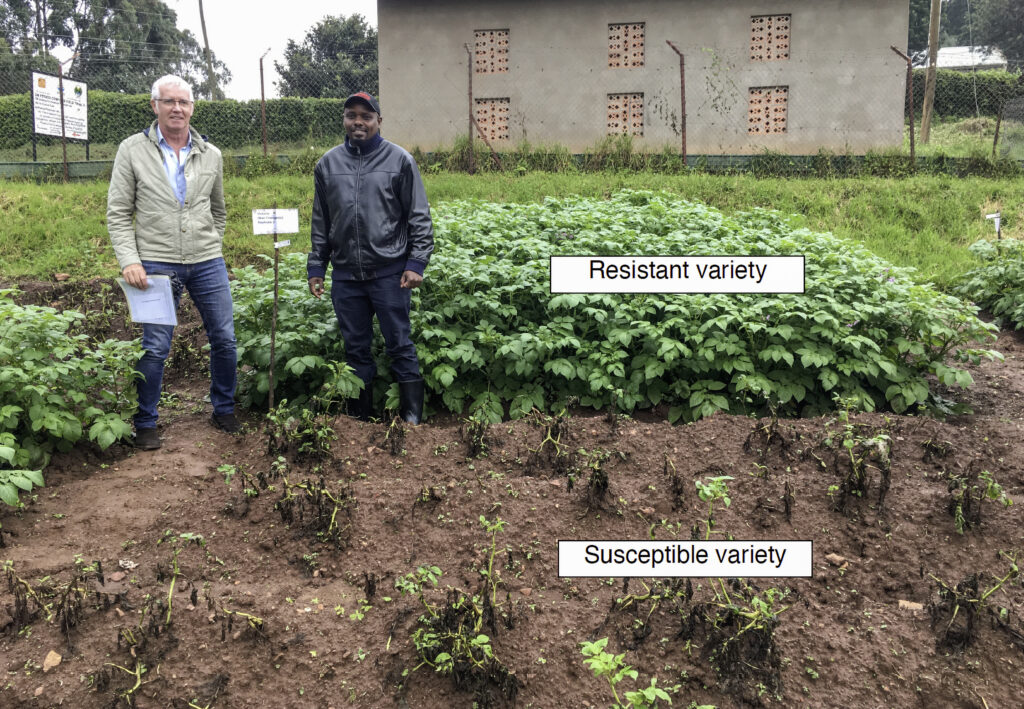
- Reducing potato losses and chemical usage in East Africa: 2Blades has helped the International Potato Center breed potatoes that don’t succumb to Late Blight, the disease that caused The Irish Potato Famine and is still a serious threat to potatoes today. Farmers in Kenya will have new varieties that will reduce chemical sprays and increase farmer incomes by 40%.
Strengthening regional capacity is critical to the long-term success of food systems. 2Blades supports African scientists with scholarships and mentorship opportunities, and it continues working closely with local research institutions and universities to support human capital development.
This post was submitted as part of our “You Said It” program.” Your voice, ideas, and engagement are important to help us accomplish our mission. We encourage you to share your ideas and efforts to make the world a better place by submitting a “You Said It.”
How to Help
2Blades is committed to sustainable, inclusive food systems. There are many pre-harvest threats to tackle, and with the recent withdrawal of investments in international agricultural development by the United States, many European countries and private foundations, philanthropic support has become crucial to realize the transformative power of innovation.