
“She called me ‘string bean‘ because I was skinny and awkward growing up,” says Ashley, reflecting on her grandmother. “She was one of the few people who understood me. She told me to pursue writing, to become a journalist.”
Today, that formidable woman who spoke multiple languages and shaped Ashley’s career path sometimes forgets that her granddaughter writes. Sometimes forgets her name. Sometimes looks at her and asks: “Who are you?“
Ashley’s experience is increasingly familiar to younger generations who are watching parents, grandparents, and other loved ones navigate Alzheimer’s disease and related dementias. And while the impact of Alzheimer’s is more often associated with older adults, its reach extends far beyond those diagnosed. Spouses become caregivers. Adult children help navigate medical decisions. Grandchildren watch relationships change in ways they never expected.
That reality brought her to Memories Matter, a gala hosted by the Alzheimer’s Drug Discovery Foundation at the American Museum of Natural History on April 15, where she joined more than 500 attendees who collectively raised $1.5 million for Alzheimer’s drug discovery research.
As a member of the Alzheimer’s Drug Discovery Foundation’s Young Professionals Committee, Ashley has become part of a growing community of younger advocates supporting research, awareness, and fundraising efforts. Through her work curating events and community spaces in Chicago, she says more people are looking for beyond traditional networking to ways to engage with causes that intersect with their own lives and families.
“I started asking myself: What can I be part of that actually makes an impact?” she says.
That perspective was reflected throughout the evening, which brought together researchers, philanthropists, caregivers, and younger supporters connected by a disease that affects millions of families.
A key speaker during the evening was Emma Heming Willis, who appeared in conversation with Emmy Award-winning journalist Paula Zahn.
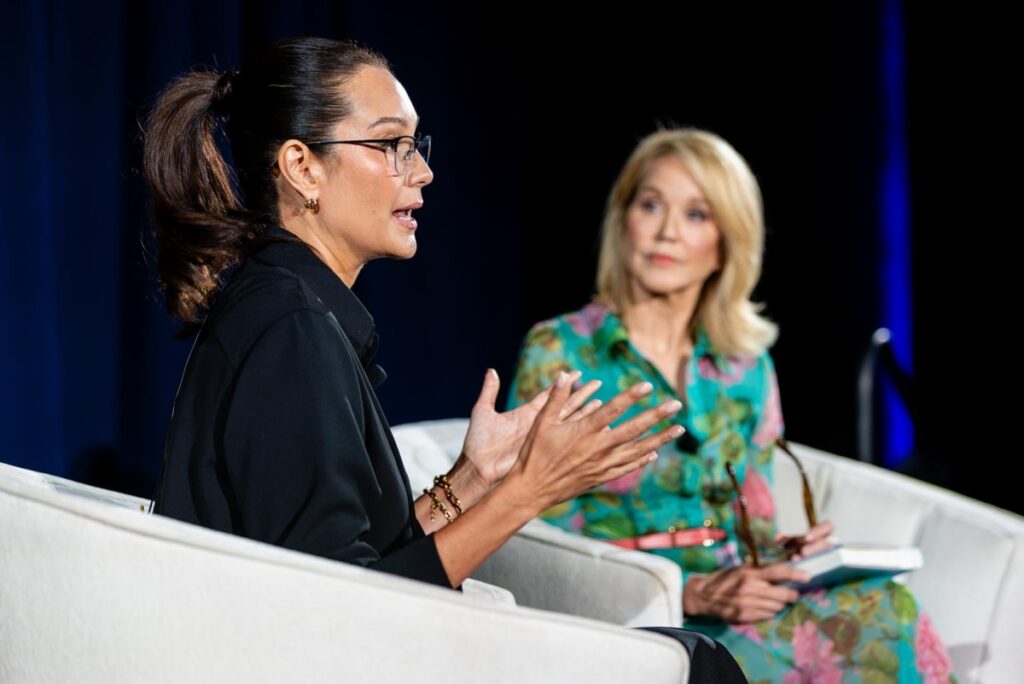
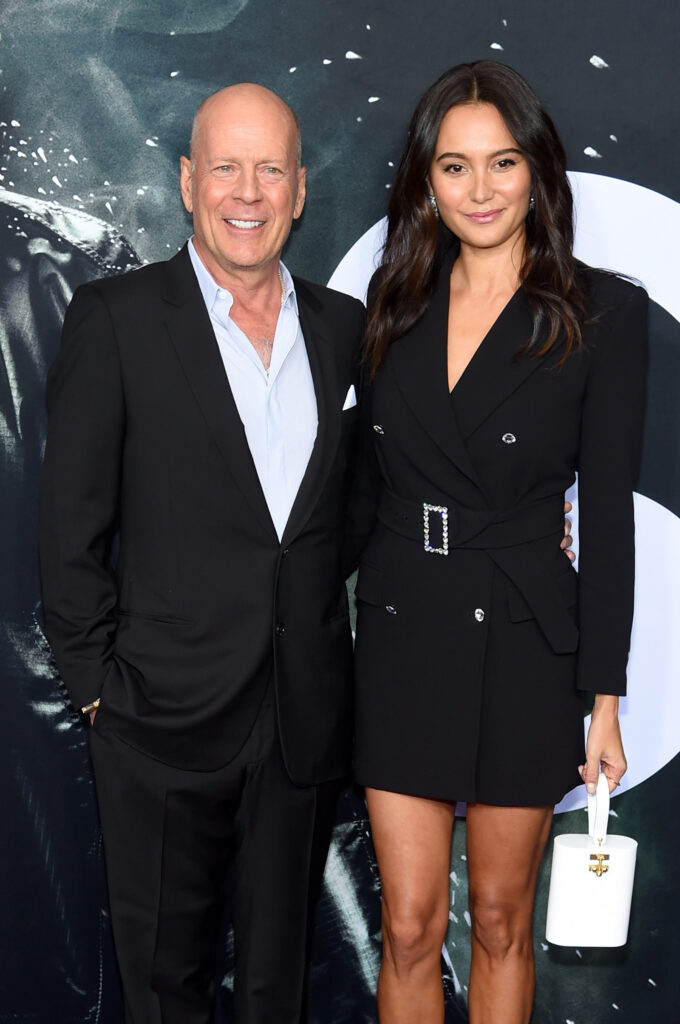
Heming Willis spoke about her husband, actor Bruce Willis, and his experience with frontotemporal degeneration (FTD), a form of dementia that affects behavior, personality, and language first, often striking people in their prime. Since Bruce Willis’ diagnosis was made public, his family has helped bring broader awareness to dementia, brain health, and the challenges families face after a diagnosis.
“We need greater awareness and stronger investment in research,” Heming Willis said. “Thanks to organizations like the ADDF, we’re moving closer to earlier diagnosis, effective treatments, and real hope for families.”
Founded in 1998 by Leonard A. and Ronald S. Lauder of the Estée Lauder family, the ADDF has awarded nearly $400 million to fund 792 drug discovery programs across 21 countries. The organization focuses specifically on accelerating the discovery of drugs to prevent, treat, and cure Alzheimer’s disease, related dementias, and cognitive aging.
Randal Sandler, who spoke about the ADDF’s impact that evening, put it simply: “Tonight is not only about remembrance; it’s about progress.”
The Alzheimer’s Association estimates that more than 7 million Americans are living with Alzheimer’s disease, a number expected to grow in the coming decades. Researchers continue to pursue new treatments, earlier diagnostic tools, and a better understanding of the disease, while families face its effects in real time.
For families navigating Alzheimer’s and related dementias, support and education are essential. Learn more from trusted sources such as the Alzheimer’s Association, the National Institute on Aging, and the Family Caregiver Alliance, which provide resources for patients, caregivers, and those seeking to understand the latest research.
How to Help
The Alzheimer’s Drug Discovery Foundation funds research to accelerate the discovery of drugs to prevent, treat, and cure Alzheimer’s disease, related dementias, and cognitive aging. Learn more about the ADDF or their Young Professionals Committee at alzdiscovery.org.

This post was submitted as part of our “You Said It” program.” Your voice, ideas, and engagement are important to help us accomplish our mission. We encourage you to share your ideas and efforts to make the world a better place by submitting a “You Said It,” which can earn a nonprofit that you champion a $1,000 donation from the Make It Better Foundation and eligibility for a Philanthropy Award, grant content partnership, and greater engagement with our audience.
Ashley Elisabeth is a writer, community curator, and member of the Alzheimer’s Drug Discovery Foundation’s Young Professionals Committee. She founded a print newspaper in Chicago after recognizing how young women and men yearn for genuine connection and community. Through curating events and spaces that bring people together, she’s observed a growing movement of young professionals turning to philanthropy, seeking causes that combine scientific rigor with compassionate impact for families affected by Alzheimer’s disease and related dementias.
More on Alzheimer’s Disease Research, Treatment, and Prevention:
- How Rita Hayworth’s Alzheimer’s Battle Inspired Daughter Princess Yasmin Aga Khan’s Lifelong Advocacy
- 10 Encouraging Insights into the Future of Alzheimer’s Research, Detection, and Treatment
- ‘Alzheimer’s Changes Everything’: How Personal Battles Are Fueling the Fight to End the Disease
- When Alzheimer’s Risk Is Written in Our Genes, And How It Might Be Rewritten as Resilience