
In the summer before college, 17-year-old Carly Siegel felt a slight tingling in her finger.
It was easy to dismiss — a small, fleeting sensation on an otherwise ordinary day. But Carly mentioned it to her mom while they were sitting in the car, and together they decided to have it checked out. That one decision led to appointments with a neurologist, multiple MRIs, and a diagnosis that would change everything: multiple sclerosis.
Doctors found numerous lesions on her brain and one on her spine. Instead of packing for college, Carly and her family were suddenly navigating infusion schedules, treatment decisions, and an uncertain future. Carly wondered whether she would still be able to move across the country, graduate, build a career, or live the life she had planned.
The Unseen Symptoms of MS
Today, at 22, Carly is a news anchor at Springfield’s NewsChannel 20. Aside from two infusions each year, her MS is largely invisible. That’s precisely the point.

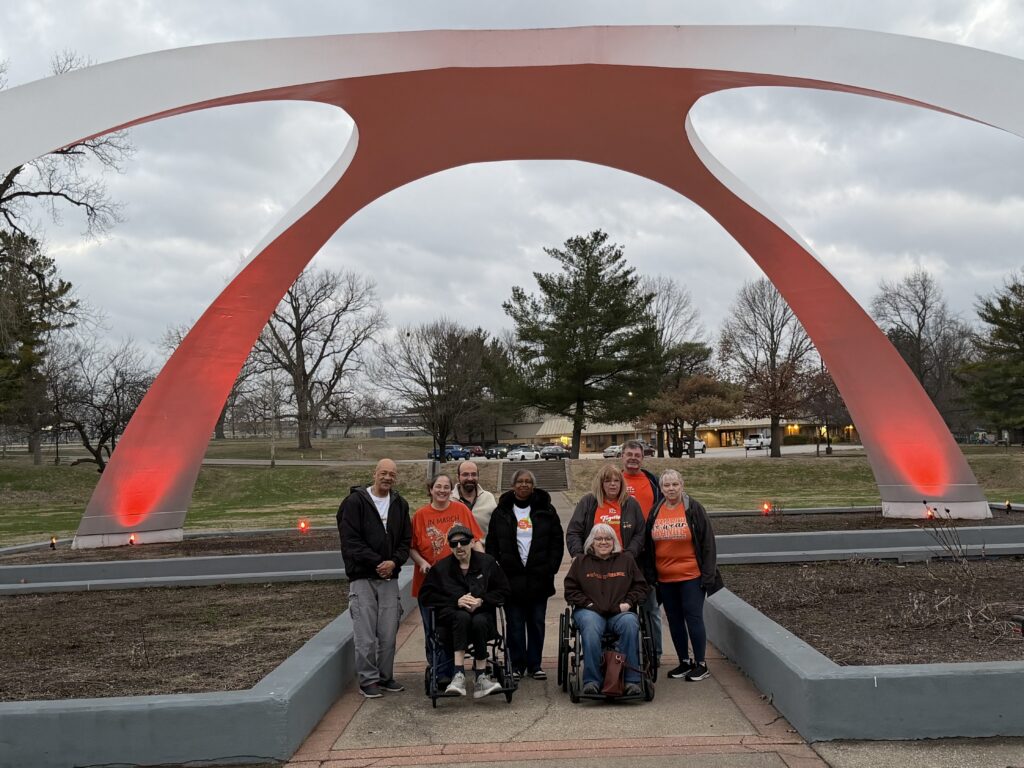
During MS Awareness Month in March, the National MS Society highlighted the theme MS Unseen, drawing attention to symptoms and struggles that often go unnoticed.
There are 2.9 million people living with MS worldwide, and nearly 1 million of them are here in the United States. MS is a chronic, often unpredictable disease of the central nervous system. It can affect far more than mobility — disrupting vision, cognition, balance and energy levels. Symptoms such as fatigue, numbness, vision problems and cognitive changes are common, yet frequently misunderstood.
For some, MS is marked by a cane or wheelchair. For others, like Carly, it may not be outwardly apparent at all. But “unseen” does not mean insignificant.
An MS diagnosis can disrupt families, alter careers, and reshape daily routines overnight. The emotional toll is real; research published by the National Institutes of Health notes higher rates of anxiety and depression among people living with MS, underscoring how deeply the disease can affect overall well-being.
There is still no cure.
No One Needs to Face MS Alone
The National MS Society exists so that no one has to face MS alone. Through research funding, advocacy, financial assistance, and personalized MS Navigator support, the organization works to improve quality of life now — while accelerating breakthroughs for tomorrow.
Awareness is about urgency — and empathy. When someone says they are exhausted beyond explanation, believe them. When a friend cancels plans at the last minute, offer grace. When you hear Carly’s story, remember how quickly life can change — and how powerful early action and access to care can be.
How to Help
The National MS Society funds groundbreaking research, provides critical services for people living with MS, and advocates for policies that improve access to care and treatment. Donations help ensure that individuals and families affected by MS receive the support, resources and connection they need today — while accelerating progress toward a world free of MS.

Party with Purpose: Attend MS Strength & Style
Later this fall in Chicago, the National MS Society will debut MS Strength & Style, a new signature fundraising event bringing together fashion and philanthropy in support of those impacted by Multiple Sclerosis. Held at Four Seasons Hotel Chicago, the evening will feature dining, cocktails, and a runway presentation showcasing fall looks curated by Neiman Marcus, with models living with MS taking the stage in a celebration of resilience, community, and progress toward a world free of the disease.
Learn more and purchase tickets
This post was submitted as part of our “You Said It” program.” Your voice, ideas, and engagement are important to help us accomplish our mission. We encourage you to share your ideas and efforts to make the world a better place by submitting a “You Said It,” which can earn a nonprofit that you champion a $1,000 donation from the Make It Better Foundation and eligibility for a Philanthropy Award, grant content partnership, and greater engagement with our audience.
Dana Snodgrass is the Executive Director of the Greater Illinois-Indiana Chapter of the National MS Society. For the last 20 years, she has held leadership roles in non-profit organizations such as JPA, After School Matters, and the Chicagoland Chamber of Commerce.