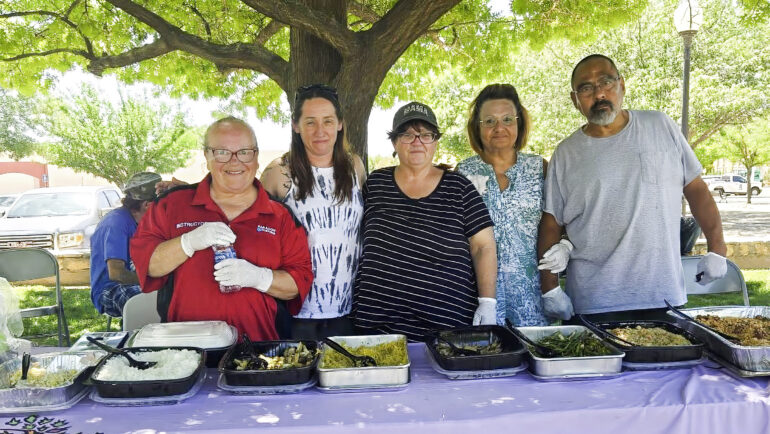
On a chilly afternoon in Roswell, New Mexico, volunteers unfolded a few tables in a downtown plaza, poured coffee, served homemade meals, and talked with anyone who stopped.
Some visitors came because they were hungry. Others came because they were lonely. Many stayed because someone finally knew their name.
Then the meals stopped.
City officials informed Food Not Bombs Roswell, a community organization that provides food to the hungry, that it could no longer share food in Pioneer Plaza without obtaining permits and insurance.
What may have appeared to be a routine administrative requirement raised a much larger constitutional question: When neighbors gather in a public space to peacefully share food as an expression of their beliefs, is that activity protected by the First Amendment?
The answer, at least in Roswell, was yes.
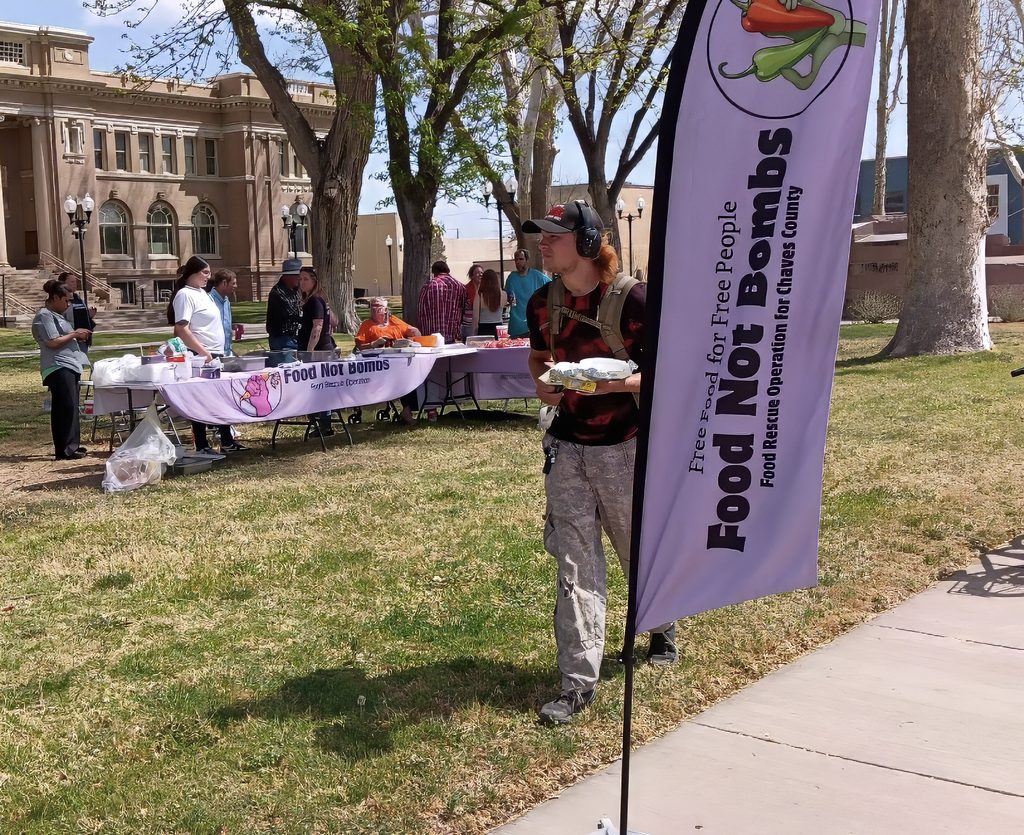
Providing Meals Fights More than Food Insecurity
In June 2026, Food Not Bombs Roswell reached a legal settlement with the City of Roswell affirming the organization’s right to return to Pioneer Plaza without a permit. The agreement also recognized the plaza as a traditional public forum, where constitutional protections for speech and peaceful assembly receive their highest level of protection.
While the case centered on one New Mexico community, its implications reach far beyond city limits.
Across America, hunger continues to affect millions of households. According to the U.S. Department of Agriculture, food insecurity remains a persistent challenge despite the efforts of thousands of food banks, mutual aid groups, faith organizations, and volunteers. These organizations do more than distribute meals. They create community, reduce isolation, and often become the first point of contact for people experiencing homelessness, mental illness, or crisis.
Prioritizing Human Needs Over Violence
Sharing food is more than charity. Since the movement began in 1980, Food Not Bombs volunteers have prepared meals in public spaces across their community groups nationwide to express the belief that resources should prioritize human needs over violence and conflict. Today, hundreds of chapters operate around the world using food sharing as both humanitarian service and peaceful public expression.
Public parks and plazas have long served as places where Americans gather to debate ideas, organize movements, mourn tragedies, celebrate victories, and care for one another. From civil rights marches to community vigils, these shared spaces belong to the public because democracy itself depends upon them.
Communities have a responsibility to protect public health and safety. But those responsibilities should not create barriers that prevent neighbors from peacefully helping each other or expressing beliefs through acts of service.
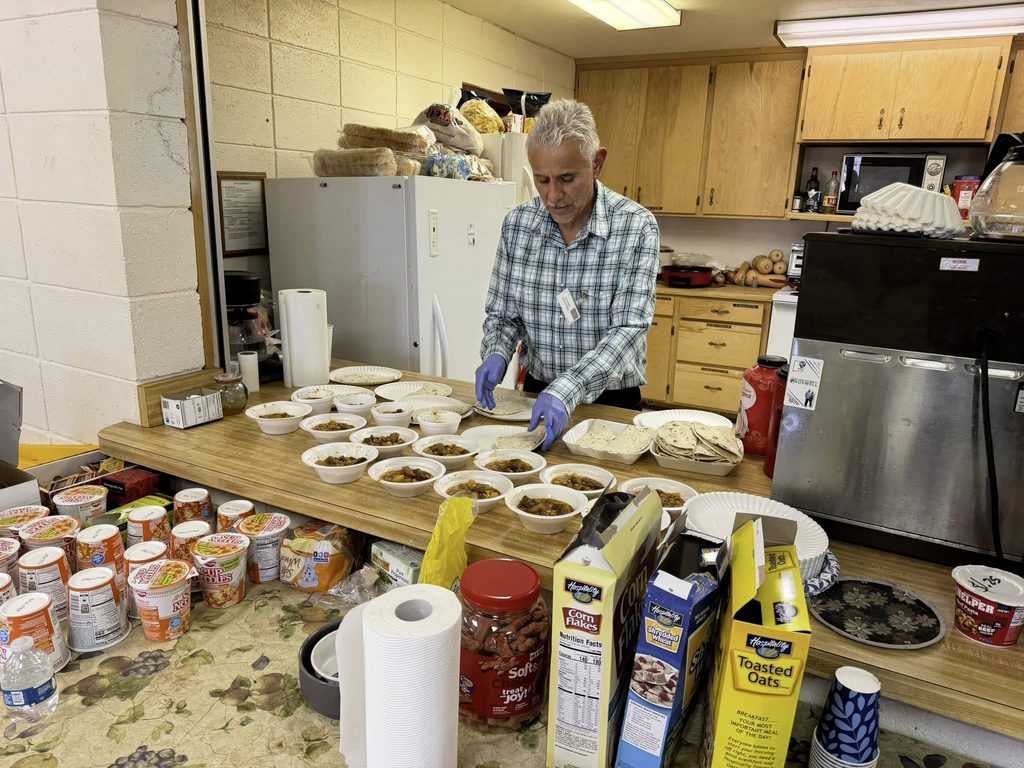
The Roswell settlement did not simply restore one organization’s ability to share meals. It reaffirmed a principle that public spaces belong to the people, and constitutional freedoms do not disappear when compassion is served alongside lunch.
At a time when many Americans feel increasingly divided, perhaps the most radical act is also the simplest. Pull up a chair. Share a meal. Listen to someone’s story.
Sometimes democracy begins around a folding table.
This post was submitted as part of our “You Said It” program. Each submission serves as the grant application into Better and the Make It Better Foundation’s broader storytelling and funding ecosystem. An excellent “You Said It” can earn a nonprofit you champion a $1,000 grant from the Make It Better Foundation in support of its mission, plus eligibility for an invitation to apply for a Philanthropy Award, expanded content partnerships, and greater engagement with our audience.
How to Help
Food Not Bombs is a collection of community organizations dedicated to feeding the hungry. They provide nutritious meals to those in need. Volunteers prepare and serve meals in public spaces to foster a sense of community and support. Learn more about Food Not Bombs Roswell by joining its Facebook group or find a Food Not Bombs community group near you.

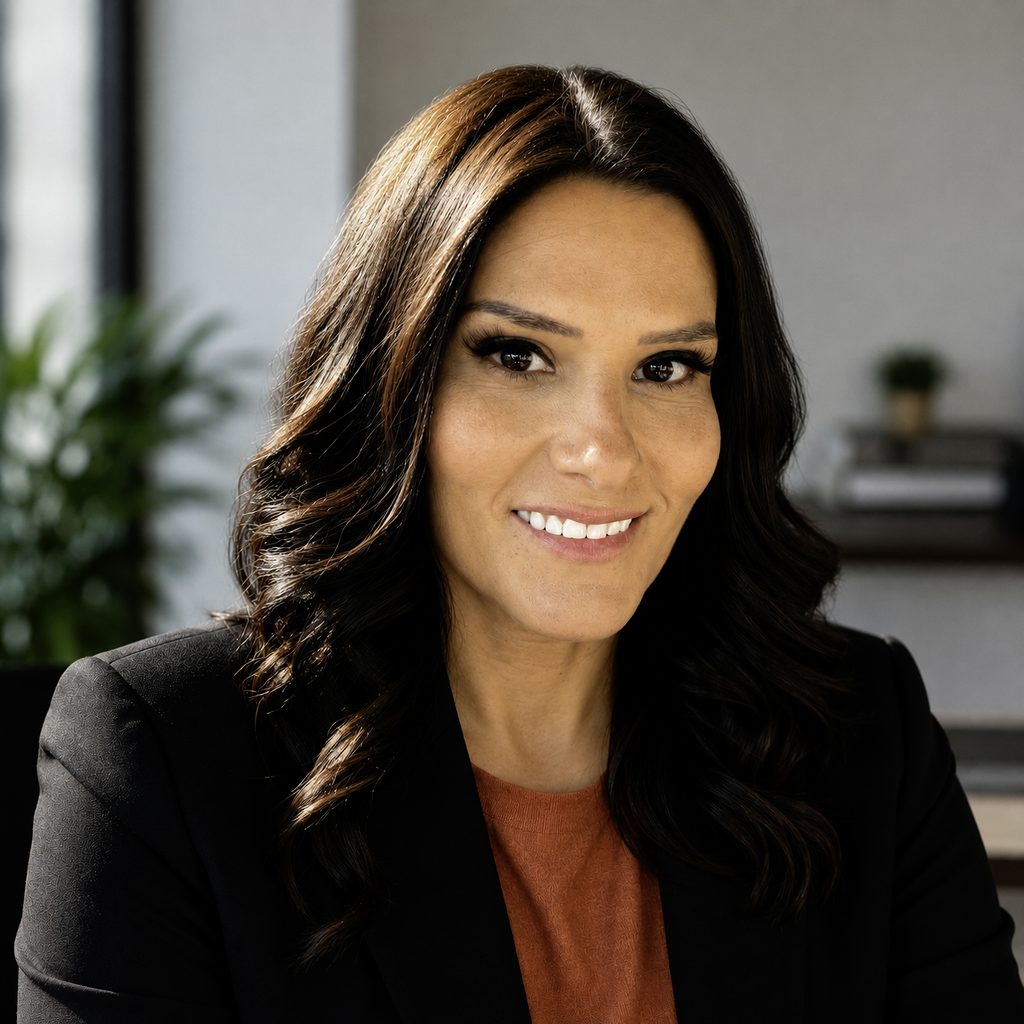
Jeneva Martinez is a lifelong community advocate and Senior Organizer with With Many Hands in New Mexico. She is a volunteer and one of the administrators for Food Not Bombs Roswell and has spent more than two decades working to address hunger, homelessness, affordable housing, and community-led solutions in rural America. Her work focuses on ensuring that every person has access to food, housing, and the opportunity to thrive.
More from Better
- The Ripple Effect of a Meal: How Food Restores Dignity in Times of Crisis
- Can Sharing a Meal Help Bridge Community Divides? Finding Common Ground Through Food
- Protecting the Food We Grow: Innovation Against Crop Disease
- Growing Solutions: How a Student-Run Hydroponic Farm Is Addressing Food Insecurity in a Chicago Food Desert