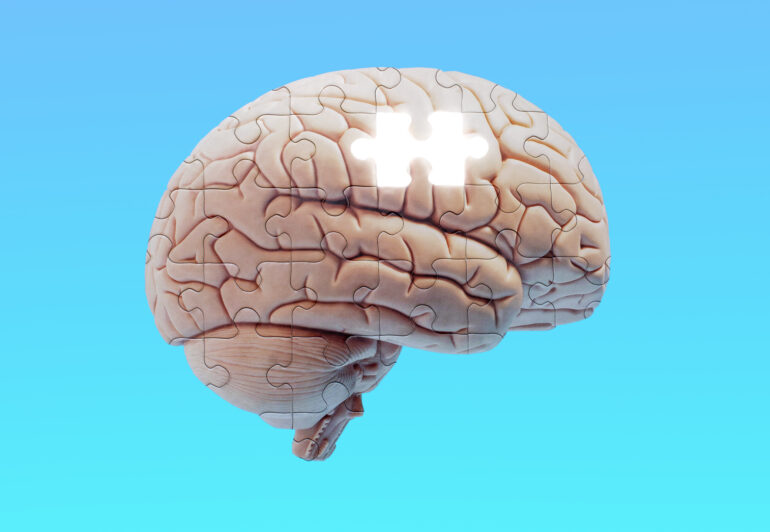
Breakthroughs in Alzheimer’s research are giving patients and families new hope through earlier detection, faster diagnosis, and treatments that slow the disease’s progression. These advances are the result of a sustained team effort among scientists, healthcare providers, advocacy organizations, and high-profile champions from Princess Yasmin Aga Khan to Julianne Moore — all working toward a shared goal of improving lives. Two organizations leading the fight against Alzheimer’s, Eli Lilly and Company and Alzheimer’s Association, offer a powerful example of this kind of collaboration.
Eli Lilly and Company has been at the forefront of Alzheimer’s research for decades, leading major clinical trials and investing billions in the pursuit of life-changing therapies. A corporate supporter of the Alzheimer’s Association, Lilly incorporates critical Association data into its research, contributes to education and awareness initiatives, and connects patients and families with Alzheimer’s Association’s trusted resources for ongoing support.
Through the Make It Better Foundation’s longstanding partnership with the Alzheimer’s Association, a grant content partner, I interviewed Laura Steele, Senior Vice President of U.S. Neuroscience at Eli Lilly, about the company’s groundbreaking research, the promise of early detection, and what recent advances could mean for the millions of families affected by Alzheimer’s and other forms of dementia. Here, Steele shares 10 key insights into the future of Alzheimer’s research, detection, and treatment.
1. Decades of research have laid the foundation for today’s advances
Laura Steele: Lilly’s research helped break a nearly 20-year dry spell in Alzheimer’s disease therapy approvals (2003–2021), contributing to the first group of disease-modifying treatments to slow cognitive and functional decline in people with early symptomatic Alzheimer’s disease. This includes Lilly’s amyloid-targeting therapy which received U.S. FDA approval in 2024 and has since been approved in 15 regulatory agencies worldwide.
Our commitment to Alzheimer’s disease spans more than 35 years, marked by numerous clinical trials and more than $11B in investment. We are now researching detection and treatment much earlier in the disease, potentially improving outcomes for those affected.
2. New research models are helping progress move faster than ever
LS: Achieving progress requires bold science and a willingness to rethink traditional research and development approaches. Nearly a decade ago, we launched a new model that helps identify better targets and make faster decisions, while maintaining scientific rigor. We’ve also placed a greater focus on reproducibility during clinical development, helping us deliver impactful solutions faster.
3. AI is accelerating discovery and design
LS: Artificial intelligence and machine learning are now woven throughout our research and development process in close collaboration with our artificial intelligence specialists, lab scientists, and platform engineers.
At every stage, our artificial intelligence models are built to learn, adapt, and evolve, driving greater speed, precision, and confidence. By helping us move faster and make smarter decisions, these tools have set us up to uncover novel drug candidates, refine molecular designs, and predict clinical outcomes with greater confidence.
4. Earlier detection could change everything
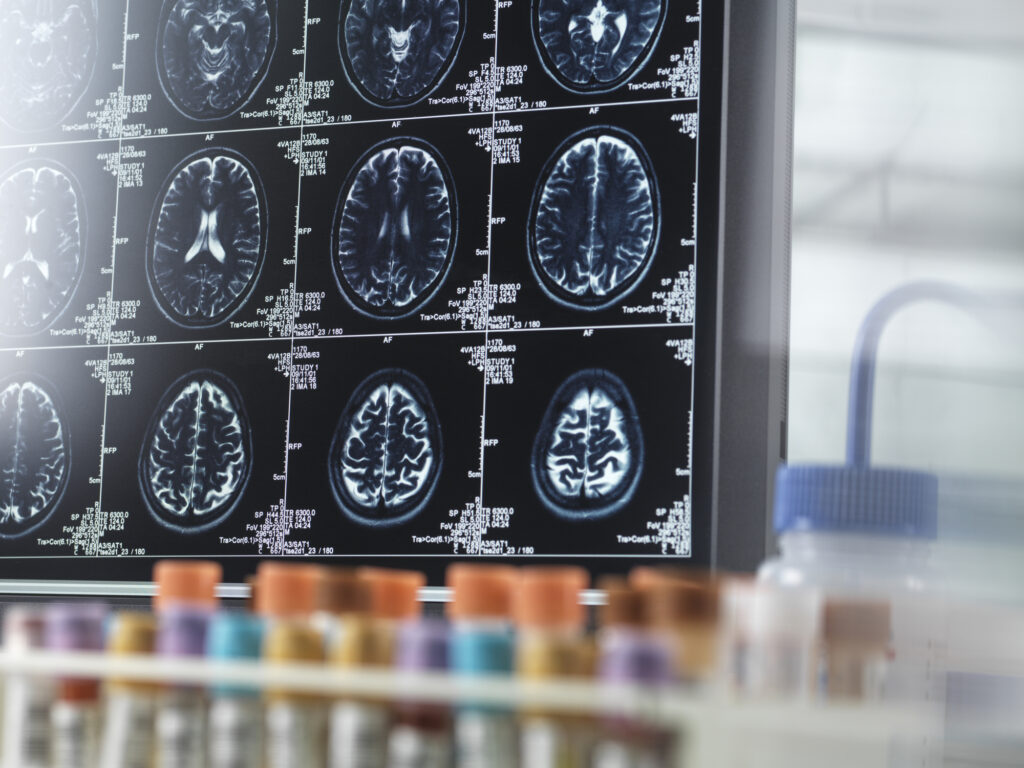
LS: Among the most exciting developments in our pipeline are the ongoing clinical trials evaluating the potential to reduce the risk of progression to symptomatic Alzheimer’s disease in those who are not yet experiencing symptoms but have Alzheimer’s disease pathological-proteins, detected during screening using a simple blood test. This study represents a critical step in Alzheimer’s disease clinical development, aiming to intervene earlier in the disease process than ever before.
To help advance the healthcare ecosystem so patients get the answers they need to make informed decisions about their care, readers and Alzheimer’s Association champions can play a vital role by:
- Spreading awareness about the importance of early detection and diagnosis, which allows individuals more options in care planning.
- Supporting equitable access by advocating for coverage and accessibility of diagnostic tools and new treatments.
- Educating communities about the importance of taking charge of your brain health and pointing them to resources like brainhealthmatters.com.
5. Understanding who’s at risk is key to prevention
LS: Alzheimer’s disease may be driven by many different factors, and our understanding of those contributors continues to evolve. Age and family history are well-established associations, but we now know that changes in the brain can begin as early as 20 years before symptoms appear.
While signs like memory and thinking issues should always prompt a conversation with a health care provider, physicians may also begin proactive cognitive assessments in patients 55 and older to identify whether a patient may benefit from further testing.
6. Awareness and access are still major barriers
LS: One of the most pressing challenges in translating neuroscience research into clinical practice is the persistent lack of awareness and access — both among the public and within healthcare systems. Despite advances in diagnostics and treatment, as many as 75% of individuals experiencing symptoms of Alzheimer’s disease remain undiagnosed.
One of the most significant barriers is the delay in patient/physician conversations as many people mistakenly attribute memory and thinking issues to normal aging. It’s important that individuals speak with their doctors at the first signs of memory and thinking changes, and that physicians proactively conduct cognitive assessments when appropriate.
Access to diagnostic tools is another challenge. Confirmatory amyloid PET scans and CSF tests can be invasive and costly, and depending on geographic location, patients may need to travel for testing.
Recently FDA-cleared blood-based biomarker tests for symptomatic patients now offer a more accessible option for detecting changes in the brain associated with Alzheimer’s disease with a simple blood test.
It’s equally important that Medicare and commercial insurers support access by reimbursing diagnostic tests and covering approved therapies. Removing financial and systemic barriers will help build a more reliable care infrastructure that can identify, diagnose, and treat Alzheimer’s disease more effectively, while also advancing our understanding of it.
As we work through these challenges, science is also advancing faster than healthcare systems can adapt. To keep pace, it’s important that systems proactively define scalable patient pathways to ensure that new therapies can reach those who need them, efficiently and equitably.
7. Collaboration is driving momentum across science and advocacy
LS: The progress we’re making in Alzheimer’s disease is driven by a united effort from scientists, clinicians and advocates to patients, families and caregivers. Champions like Julianne Moore, who partnered with Lilly’s “Brain Health Matters” campaign, have helped amplify the message of early detection and proactive brain health, but the impact we’ve seen in the lives of those affected is the most powerful success story of all.
8. New tools and trials are redefining treatment possibilities
LS: We’re working to shift the Alzheimer’s disease timeline, moving to identify patients and achieve diagnosis earlier to maximize treatment options. Right now, most people are diagnosed in their mid-70s, but research shows the biomarkers associated with Alzheimer’s disease begin building up approximately 20 years before symptoms appear.
With advances in blood biomarker testing and proactive cognitive assessments, we now have the tools to detect and diagnose the disease earlier in the symptomatic stages. Further, at Lilly, we have several clinical trials evaluating the potential to reduce the risk of progression to symptomatic Alzheimer’s disease in those with Alzheimer’s-disease pathological proteins in their brains who are not yet experiencing symptoms.
9. Lifestyle choices can help support brain health
LS: While we don’t yet fully understand all the factors that influence Alzheimer’s disease, research continues to show that lifestyle practices may play a role in supporting brain health. The Alzheimer’s Association presented topline results from the U.S. POINTER study at AAIC in July, adding to growing evidence that regular physical activity, balanced nutrition, cognitive stimulation, and social engagement can help maintain cognitive function in older adults.
That said, Alzheimer’s disease is complex, influenced by genetics, biology, and the environment. Lifestyle changes alone can’t prevent it, but they may contribute to delaying onset or reducing risk.

10. Commitment to families continues to guide every breakthrough
LS: We want patients, families, and caregivers to know that we’re not stopping here. Every day, we’re working to change the trajectory of Alzheimer’s disease for the people it touches. We know what’s at stake, and we’re in this for the long haul.
For millions of families, the fight against Alzheimer’s is deeply personal. The Alzheimer’s Association stands at the forefront of that fight, accelerating global research and offering compassionate support to those affected.
Like Eli Lilly, the Make It Better Foundation is proud to be a longtime supporter of the Alzheimer’s Association. We’re honored to amplify their mission through stories that inspire awareness and action — from families turning loss into advocacy, to caregivers balancing work with care of a loved one, to breakthroughs in research offering new reasons for hope.
Through our media sponsorships of cornerstone fundraisers including the Rita Hayworth Gala, the Power of Purple: Reason to Hope Luncheon, and the Walk to End Alzheimer’s — bolstered by powerful matching grant campaigns — we’ve seen firsthand how storytelling can fuel fundraising and progress.
How to Help
We invite you to join us in supporting Alzheimer’s Association by donating, joining your local walk, sharing your family’s story by submitting a You Said It, or amplifying this message by sending this story to a friend. Each story shared, step taken, and donation made brings us closer to a world without Alzheimer’s and other dementia.

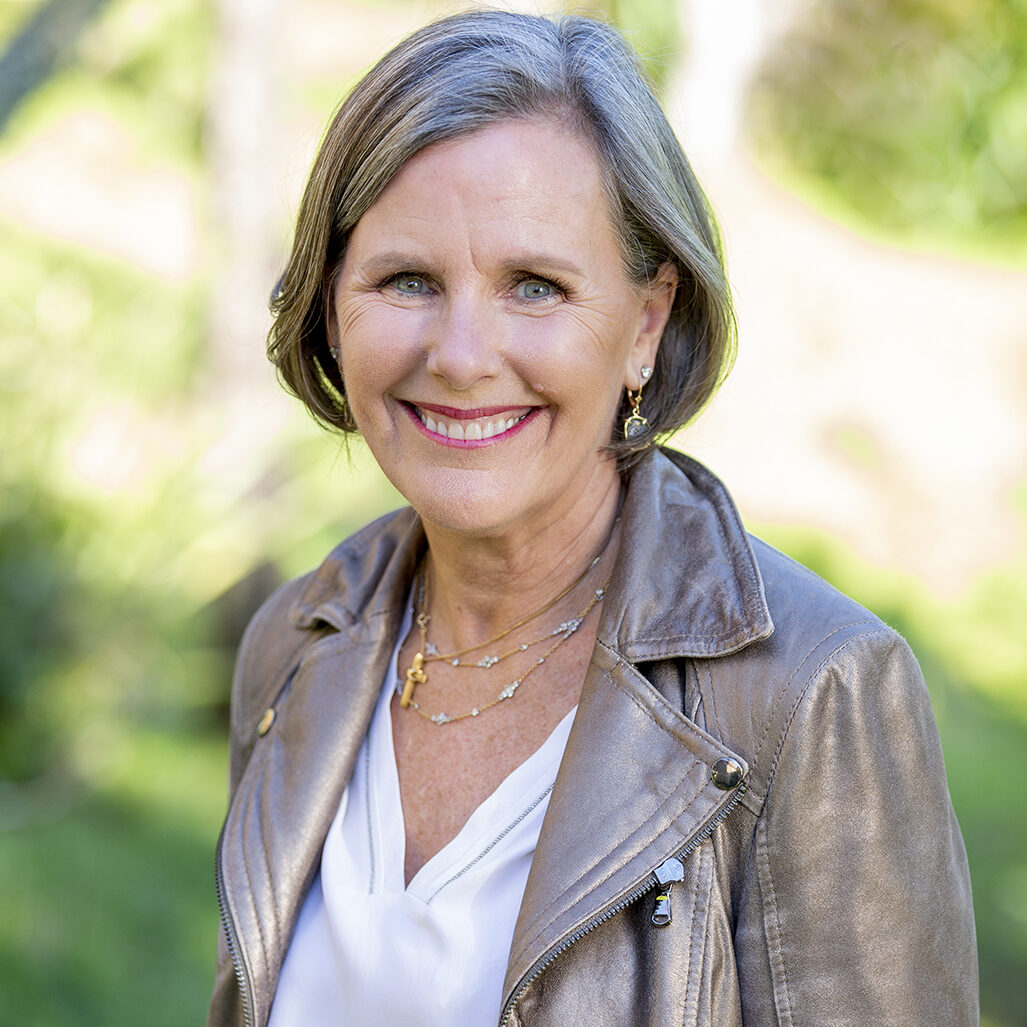
Susan B. Noyes is the founder of the Make It Better Foundation, which publishes Better Magazine, writer, philanthropist and civic activist who has founded or served on many boards — including the American Red Cross, Chicago Public Education Fund, Harvard Graduate School Of Education, Joffrey Ballet, Poetry Foundation, Rush Nerobehavioral Center for Children, New Trier High School District, and her beloved Kenilworth Union Church.