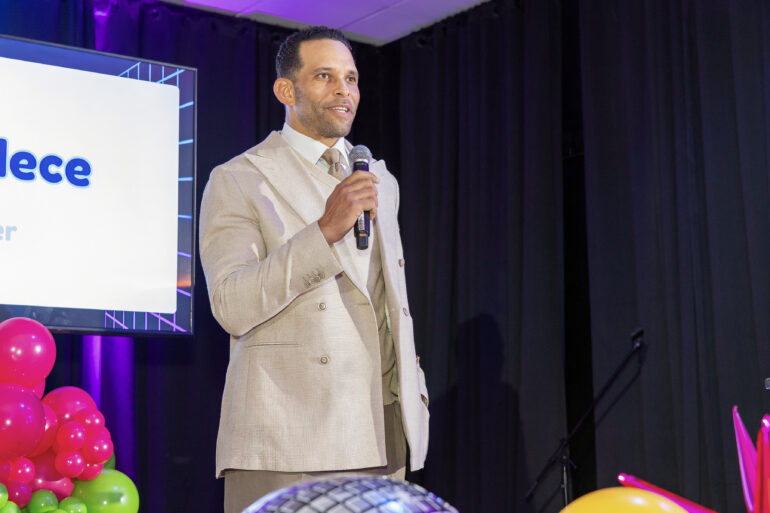
At a pitch event for entrepreneurs in Tampa, Florida, Melissa Neeley, CEO of the Ryan Nece Foundation, finished describing her organization’s work preparing teenagers for adulthood through volunteerism and mentorship.
The questions and answers section of the event had gone well. People were nodding and asking how to get involved, until the last question hit the room: “Why are you even here? You were founded by a former NFL player.”
They were basically saying, “You don’t need our support.”
The moment captures a misconception that is costly for organizations with visible champions. When a well-known figure is the face of an organization, there is a belief that these organizations are fully supported.
Research has found that celebrity affiliation generally increases awareness and can increase charitable giving while reducing fundraising costs. A recognizable founder can open doors that might otherwise stay closed. They can attract media attention, lend credibility, and introduce new supporters to a cause. But star power isn’t a substitute for the steady work that sustains a nonprofit. Programs still depend on mentors who show up each week, volunteers who invest their time, donors who give at every level, corporate and foundation partners, and community members who believe the mission belongs to them, too.
Yet that kind of community support has become harder to build at precisely the moment it’s needed most. The truth is that the systems meant to teach people, especially younger people, civic responsibility, are quietly eroding.
A Decreasing Trend in Formal Volunteering
Formal volunteering among Americans fell to 23.2 percent in 2021, its lowest level in nearly two decades, before edging back up to roughly 28 percent by 2023, according to the U.S. Census Bureau and AmeriCorps research. Total volunteer hours, however, have continued to decline even as the headline rate recovers.
Among teenagers specifically, the trend lines are sobering. The University of Maryland’s Do Good Institute found that about 25 percent of teenagers volunteered in 2015, down from 28 percent in 2005, ending three decades of rising volunteerism among high-school-age students in the United States.
Why Volunteering Matters
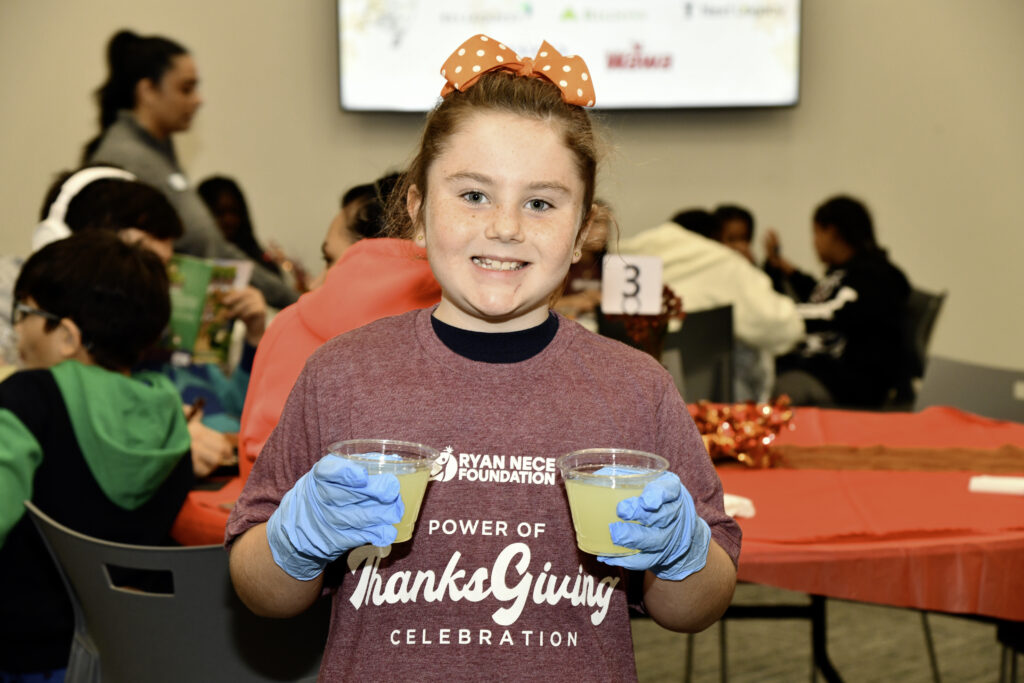
The benefits of volunteering go beyond helping organizations achieve their missions. Research consistently links structured volunteering to reduced stress and stronger emotional resilience in adolescents. Further research shows that volunteering can also improve students’ happiness, social connections, and self-efficacy.
When 40 percent of high school students experienced persistent feelings of sadness or hopelessness in the past year, it makes service-learning not just a civics exercise but a mental health intervention hiding in plain sight.
Improving Youth Volunteerism
Improving volunteer rates can’t rest on any single founder, donor, or program, no matter how recognizable. When it comes to encouraging more youth volunteerism, it’s important to understand that students respond differently to messages depending on who delivers them. Younger volunteers need to hear from people who reflect their own communities, not just one well-known champion.
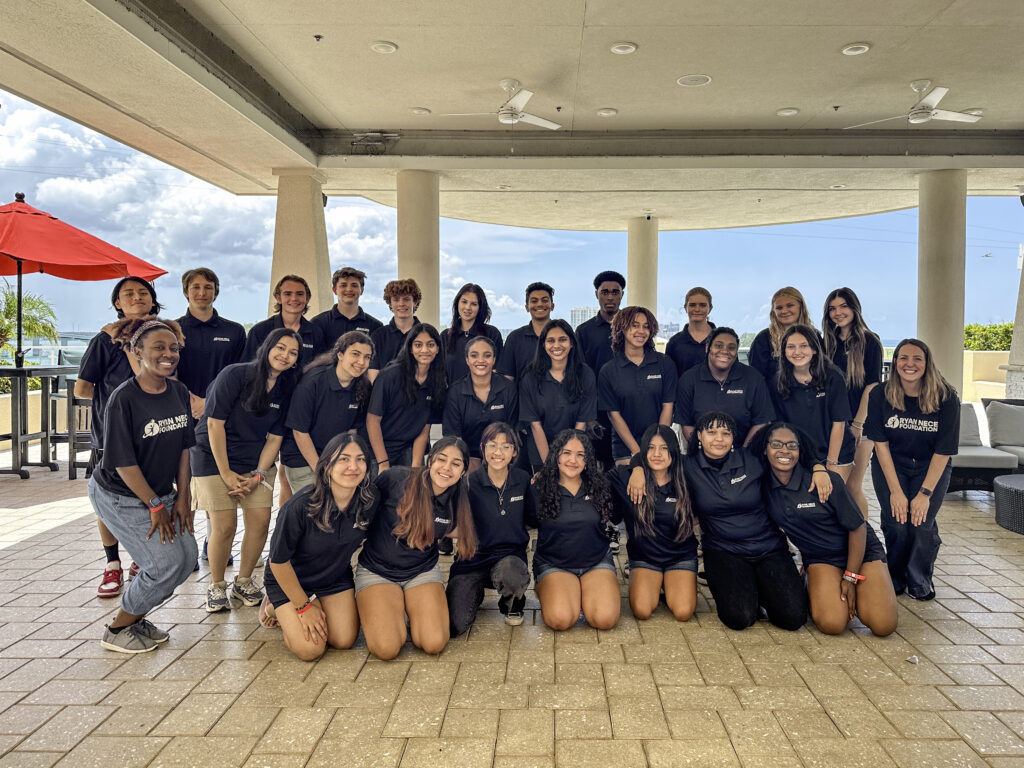
Ryan Nece isn’t alone. High-profile leaders, from entertainers to athletes to former presidents, have used their platforms to launch nonprofits and inspire civic engagement. Recent efforts, including MrBeast’s partnership with the Rockefeller Foundation to encourage philanthropy among young people, reflect a growing recognition that celebrity can spark interest, but lasting impact still depends on whether communities choose to participate.
That distinction, between a founder’s visibility and an organization’s actual capacity, shows up nationally. Florida, despite being the third-largest and one of the fastest-growing states, ranks lowest in the country for adult civic engagement, according to Florida State University’s Florida Civic Advance Network. Even committed leaders who show up weekly, travel for service-learning trips, and model giving in their own lives are still one person against a community shortage of mentors, donors, and volunteers.
After the session ended, Neeley sought out the person who asked the hard question. The two talked and found they wanted the same outcome. They wanted young people equipped to succeed. The disagreement wasn’t about goals. It was about who’s responsible for getting there.
Preparing the next generation was never meant to be the job of one founder, one program, or one school. It takes a wider circle than any one founder can build alone. A recognizable name may bring people to the door, but lasting impact depends on thousands of quieter decisions: mentoring a student, volunteering an afternoon, making a monthly donation, opening a workplace partnership, or encouraging the next generation to serve.
How to Help
The Ryan Nece Foundation creates opportunities for teens across the Greater Tampa Bay Area to become servant leaders through volunteerism and mentorship. Readers can become an impact investor and donate starting at $20/month to sponsor a student for a year, apply to mentor a student in the Student Service Program, volunteer in classrooms during Financial Literacy Month or Career Panel programming, or connect the Foundation with strategic community partners, especially as they continue to expand this work in Greater Tampa Bay and the San Francisco Bay Area. Learn more at www.ryannecefoundation.org.

This post was submitted as part of our “You Said It” program. Your voice, ideas, and engagement are important to help us accomplish our mission. We encourage you to share your ideas and efforts to make the world a better place by submitting a “You Said It,” which can earn a nonprofit that you champion a $1,000 donation from the Make It Better Foundation and eligibility for a Philanthropy Award, grant content partnership, and greater engagement with our audience.

Melissa Neeley is the CEO of the Ryan Nece Foundation, a nonprofit founded in 2006 by former NFL player Ryan Nece that develops servant leaders among high school students through school-based and community mentorship programs. A Tampa native, she is leading the Foundation through its 20th anniversary year and its expansion into Northern California’s Bay Area. Melissa’s own commitment to service began in high school when she went through a similar program herself.