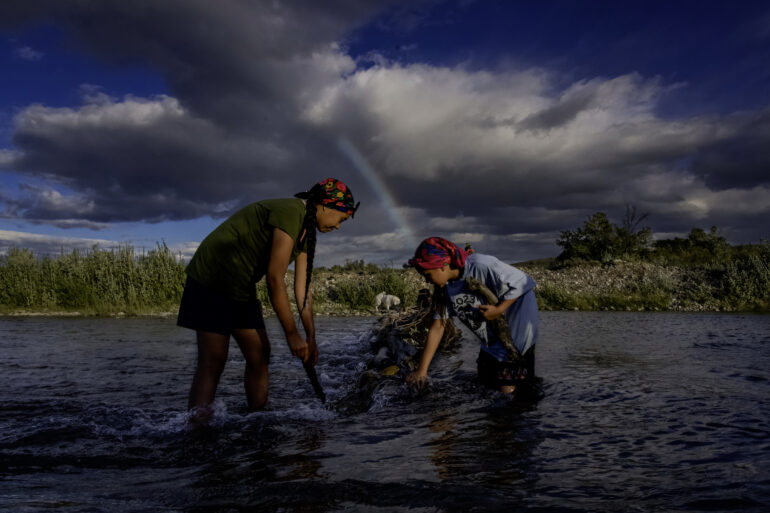
For photographer Whitney Snow, the story of environmental change is personal.
A member of the Blackfeet Nation, Snow documents the relationship between land, culture, and identity in her community, including efforts to preserve traditional ecological knowledge and restore connections to ancestral landscapes. Her work reflects a growing recognition among scientists and conservation leaders: the people who live closest to environmental challenges often hold the deepest understanding of the solutions.
Yet these voices are frequently missing from global conversations about conservation. Around the world, Indigenous leaders, local conservationists, and community-based storytellers are witnessing the impacts of biodiversity loss, climate change, and habitat destruction firsthand. But many lack access to the editorial relationships, professional networks, and resources needed to bring their stories to wider audiences.
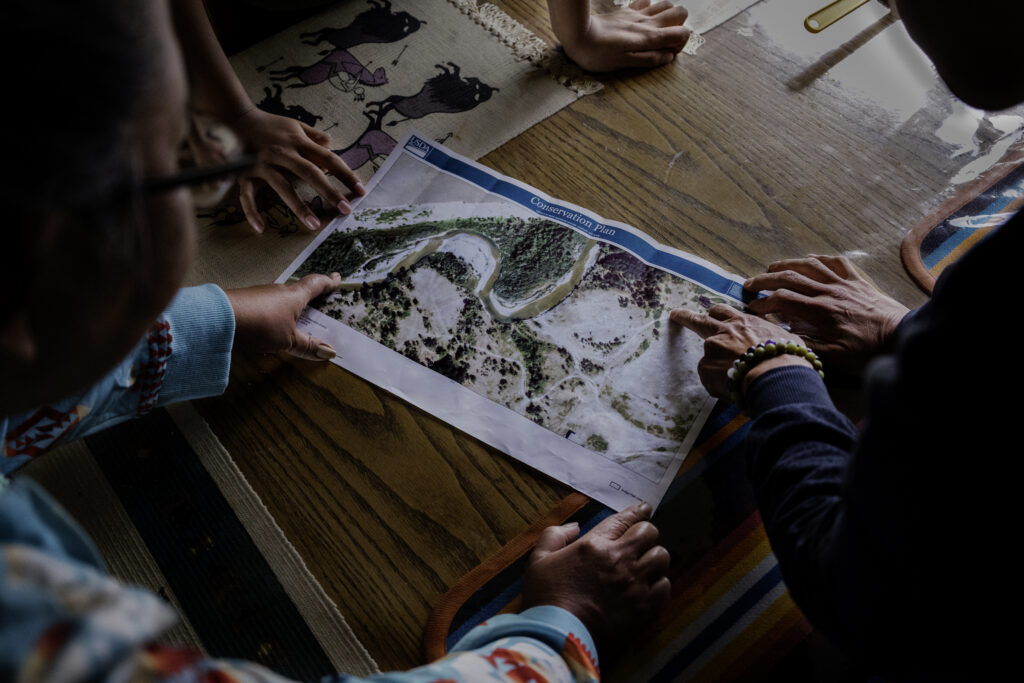
That gap matters. Research from organizations including the Intergovernmental Science-Policy Platform on Biodiversity and Ecosystem Services (IPBES) shows that Indigenous and local knowledge systems are essential to understanding and protecting ecosystems. The challenge is not only documenting environmental change, but ensuring the people most connected to these places have the opportunity to shape how those stories are told.
Snow’s journey illustrates what can happen when talented storytellers are given sustained support and access to opportunity.
Snow first joined Vital Impacts as a mentee in 2023, and, in 2026, became a fellowship recipient, receiving a year of funding and continued mentorship to deepen her work. Over the course of that collaboration, Vital Impacts has helped expand her professional network, connect her with editors, photographers, and conservation leaders around the world, and create opportunities for her work to reach new audiences through media features and exhibitions, including The Women’s Grass, her project on Blackfeet women restoring sweetgrass, at Photoville in New York.
Vital Impacts, a nonprofit supporting environmental storytellers and a 2026 Make It Better Foundation Philanthropy Award winner, was created around the idea that meaningful conservation stories should be told by people who understand the places and communities at their center. Through year-long intensive fellowships, mentorships, and a free global speaker series, the organization connects emerging photographers with experienced editors, scientists, and visual storytellers.
Since the program began, fellows and mentees have published more than 865 stories in leading publications like National Geographic, exhibited work internationally, and built lasting careers documenting the relationship between people and the natural world.
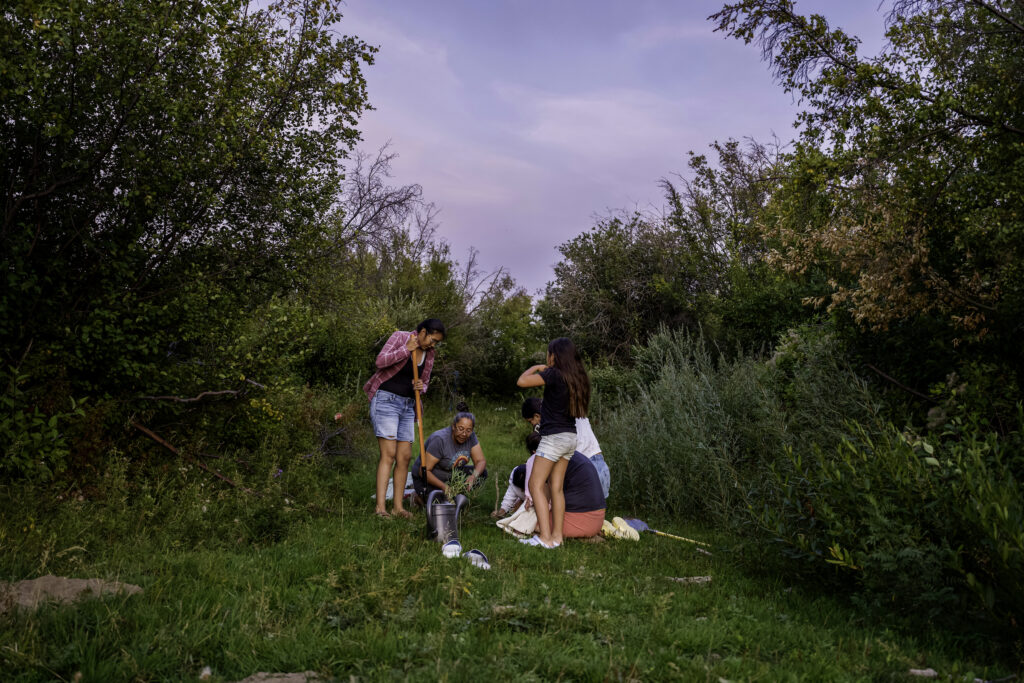
“Each of these artists moves between rigorous documentary photography and artistic exploration, always with a deep ethic of care,” says Alessia Glaviano, Head of Global PhotoVogue and one of the fellowship judges. “Their work expands what environmental photography can be: not only evidence, but responsibility and hope.”
As the planet faces accelerating environmental change, who tells the story matters. When local storytellers have the tools and platforms to share what they know, they do more than document a changing world. They help shape how the world responds.
This post was submitted as part of our “You Said It” program. We encourage you to share your ideas and efforts to make the world a better place by submitting a “You Said It,” which can serve as the application for a $1,000 grant award from the Make It Better Foundation for a nonprofit you champion and eligibility for a Philanthropy Award, grant content partnership, and greater engagement with our audience.
How to Help
Support environmental storytellers. Donations to Vital Impacts help provide fellowships, mentorship, and professional opportunities for photographers documenting climate change, biodiversity, conservation, and the relationship between people and the natural world.
Donate equipment. Cameras, lenses, laptops, and other gently used equipment can help remove barriers for photographers who have powerful stories to tell but limited access to professional tools.
Share their stories. Following and sharing the work of Vital Impacts fellows and mentees helps bring attention to environmental issues and the communities creating solutions.
The next round of Vital Impacts environmental photography fellowships and mentorships are open through November 30, 2026. Support from individuals and partners helps ensure that more storytellers have the opportunity to document the environmental stories that will shape how the world understands and responds to change.

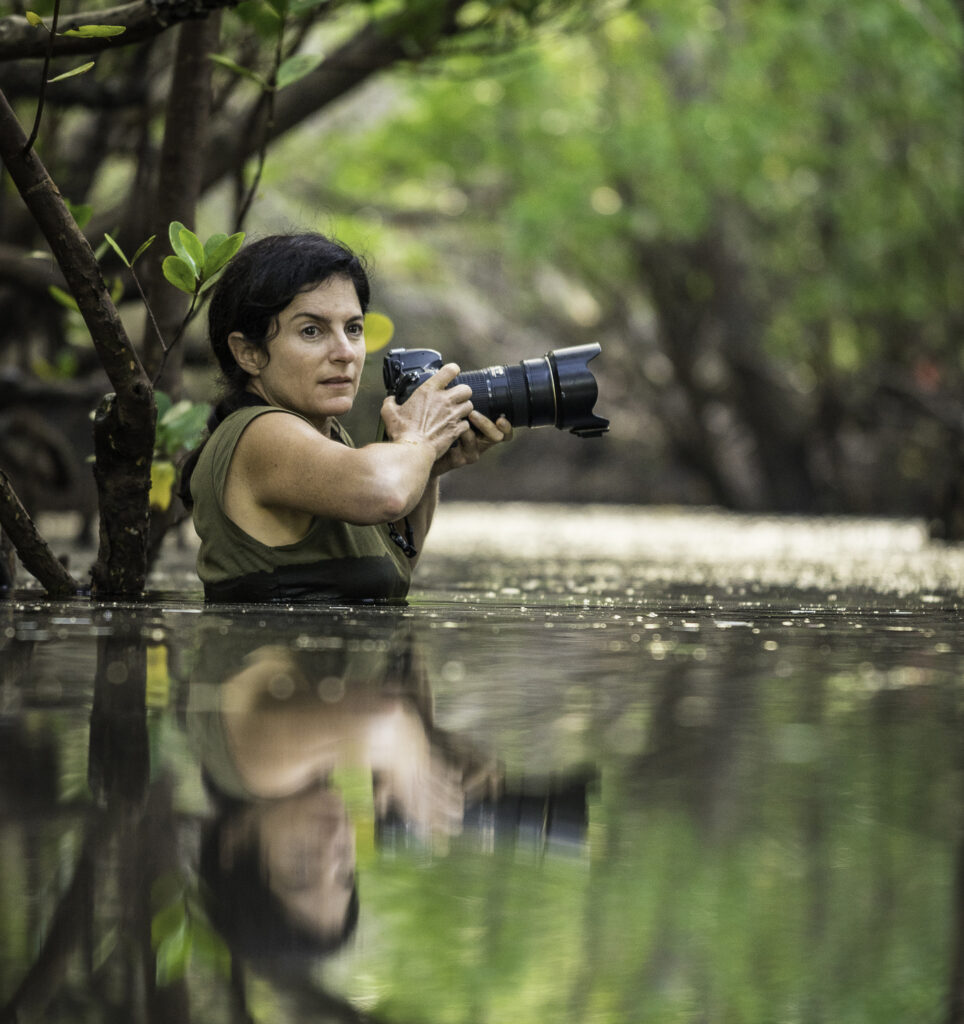
Ami Vitale is a National Geographic Explorer at Large, award-winning photographer, writer, and documentary filmmaker, and the founder of Vital Impacts. Over nearly three decades in more than 100 countries, she has documented the connections between people, wildlife, and the planet, beginning in conflict zones where she saw how environmental degradation shapes human lives. Her honors include six World Press Photo awards, the Lucie Humanitarian Award, and Conservation International’s Lui-Walton Innovators Fellowship.