The biodiversity crisis is often framed as a science problem, but at its core, it is a human one — and it calls for a human-centered solution.
Around the world, species that anchor entire ecosystems are disappearing at an unprecedented rate. The Intergovernmental Science-Policy Platform on Biodiversity and Ecosystem Services estimates that up to one million species are at risk of extinction, many within decades. The stability of food systems, clean water, climate resilience, and even modern medicine are tied to the natural world. What we lose in the wild, we ultimately lose in ourselves.
Yet at the very moment we need more conservation leaders, too many young people quietly opt out. They do not see themselves in field gear, leading research, or shaping scientific discovery. They do not see a place where they belong. That is the gap Conservation Nation, a 2026 Make It Better Philanthropy Award winner, wants to help close.
The Middle School Moment
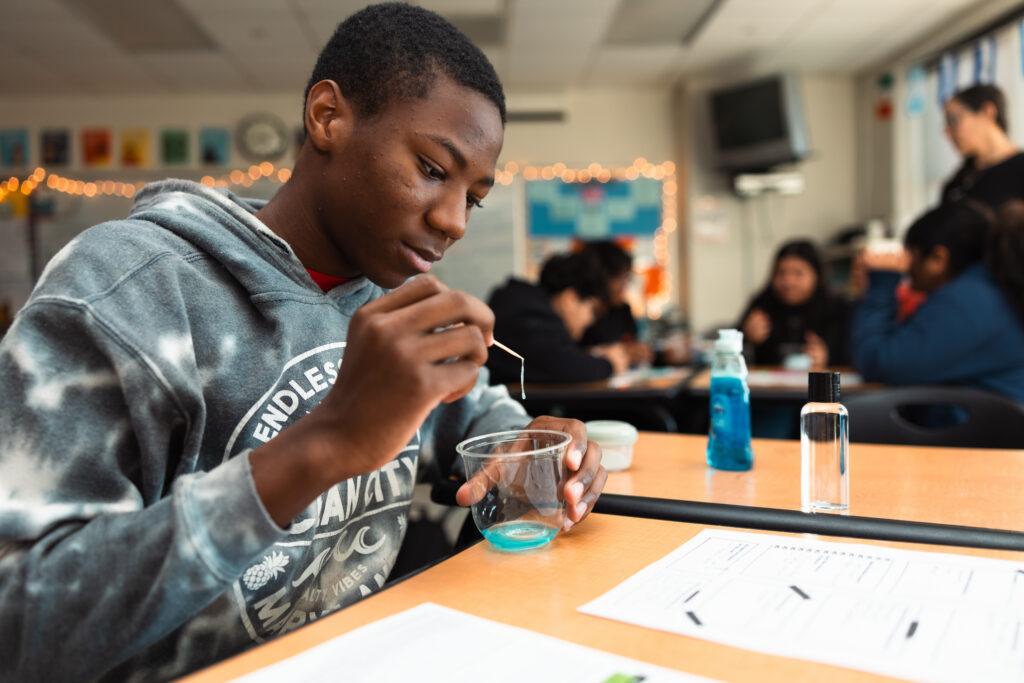
Middle school is a hinge point. Curiosity is still alive, but confidence often falters. Research shows that during early adolescence, especially for girls and students from historically excluded communities, belief in belonging in science drops sharply. By age six, children already begin associating high intellectual ability more with boys than girls. If science does not feel relevant or attainable at this moment, students are significantly less likely to pursue it later.
But this stage also holds enormous possibilities. With the right exposure, a student can move from “this isn’t for me” to “I could do this.” That shift can alter a life trajectory.
A Model Built Around People
Conservation Nation protects biodiversity by expanding who gets to participate in protecting it. The organization works at two connected levels.
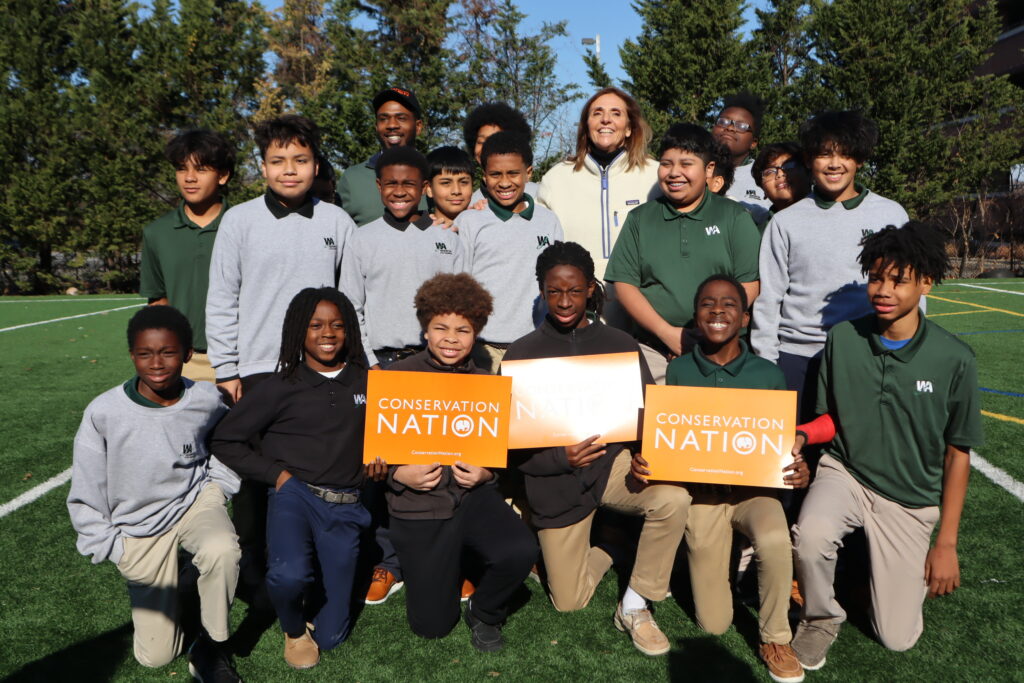
First, it invests directly in conservationists from underrepresented backgrounds, helping them overcome structural barriers that too often push talented leaders out of the field. Second, it brings those same conservationists into classrooms through Conservation Nation Academy video lessons and school partnerships, ensuring students see real scientists who reflect the diversity of the world around them.
This approach is grounded in evidence. When students encounter relatable role models in STEM, their sense of belonging and academic motivation increase. Representation does not simply inspire; it reshapes identity and expands what students believe is possible.
From Barrier to Bridge
The power of this model is clear in the story of Taylor Rabe.
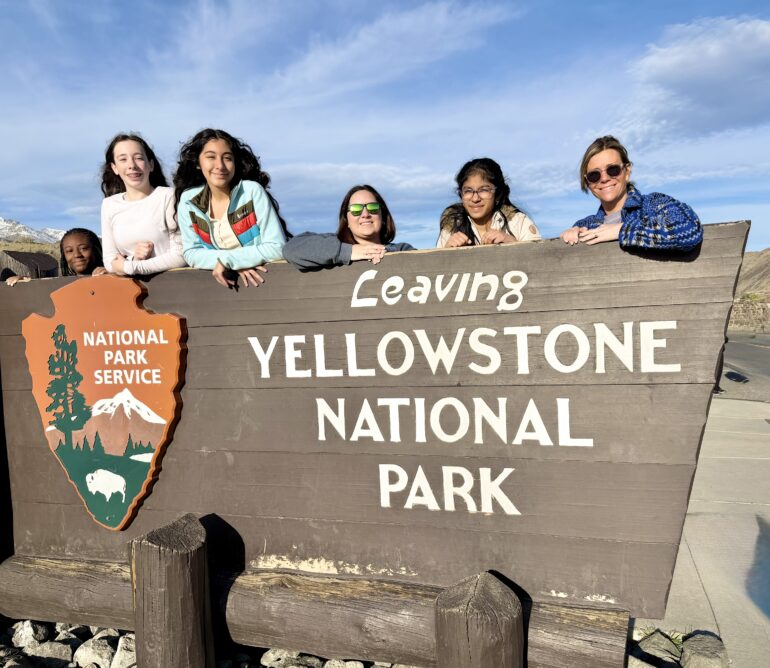
When Conservation Nation first met Taylor, she had spent three years working full-time hours as an unpaid volunteer while holding another job to survive. She knew her purpose was to protect wolves, but passion alone could not overcome systemic inequities.
Through a Conservation Nation fellowship, Taylor received her first paid role with the Yellowstone Wolf Project. That equitable leg-up changed everything. Today, she advances wolf conservation, pursues graduate research, and mentors the next generation.
When Taylor appears in middle school classrooms and Academy lessons online, she is not simply delivering content. She is embodying possibility. Students see a working conservation scientist in the field and hear her story. For many, it is the first time they can imagine themselves there, too.
Unlearning Sterotypes
After participating in Conservation Nation education programming, one middle school student was asked to draw a scientist. She drew herself down to the sneakers.
Stereotypes are learned, and they can be unlearned. When students see diverse conservationists doing real work, belonging reshapes belief.
The biodiversity crisis demands more voices, more lived experience, and more imagination. By investing in people at critical turning points, Conservation Nation is building a movement that reflects the world it seeks to protect.
When young people see themselves in conservation, they do more than choose a path. They claim a future — and help safeguard ours.
How to Help
If you believe every young person deserves to see themselves as a protector of our planet, you can help make that possible. A gift to Conservation Nation expands free, standards-aligned lessons into more classrooms, fuels the creation of new content that inspires middle schoolers at a pivotal moment, and supports conservationists on the frontlines protecting wildlife and endangered ecosystems around the world. When you invest in Conservation Nation, you’re not just funding programs; you’re building the next generation of conservation leaders.

This post was submitted as part of our “You Said It” program.” Your voice, ideas, and engagement are important to help us accomplish our mission. We encourage you to share your ideas and efforts to make the world a better place by submitting a “You Said It,” which can earn a nonprofit that you champion a $1,000 donation from the Make It Better Foundation and eligibility for a Philanthropy Award, grant content partnership, and greater engagement with our audience.
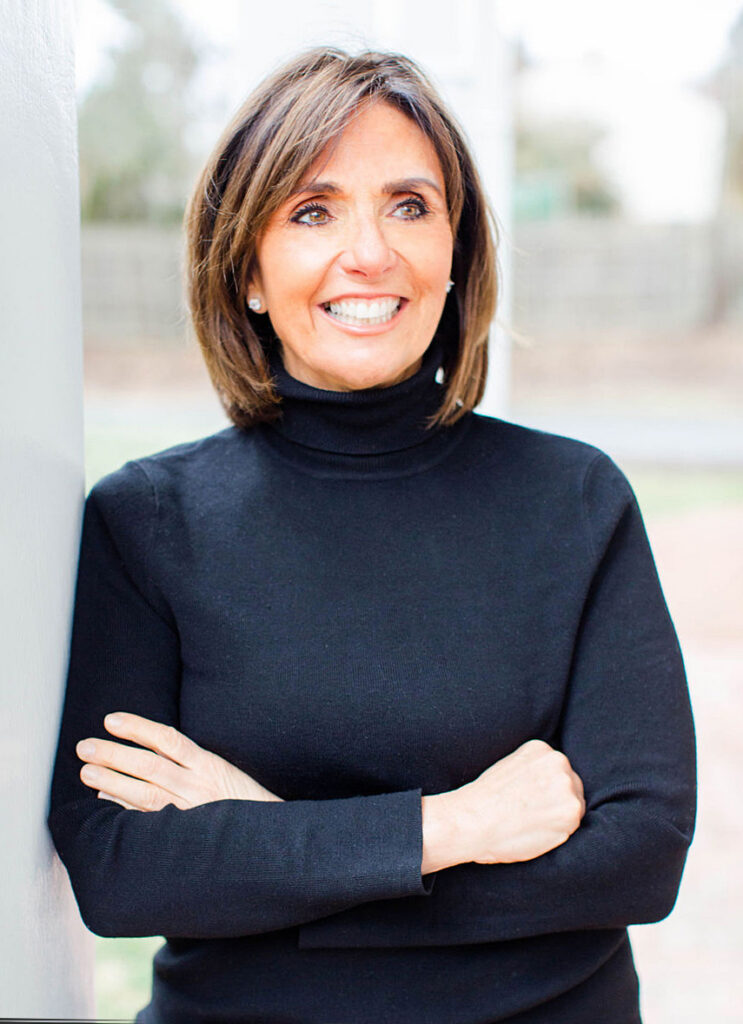
Tricia Reilly is the Co-Founder and Co-CEO of Conservation Nation, where she works to expand access to conservation and inspire students through free conservation lessons online featuring diverse role models. She also leads global support for conservationists. Her work unites education, equity, and exploration to ensure all young people can help shape a thriving planet.
More from Better
- 10 Photos That Showcase the Power of Environmental Storytelling at a Critical Moment
- National Geographic Photo Ark: Joel Sartore’s Urgent Mission to Document and Protect Earth’s Vanishing Species
- Photographer Cristina Mittermeier’s ‘HOPE’ Confronts the Climate Crisis with a Powerful Visual Call to Action